
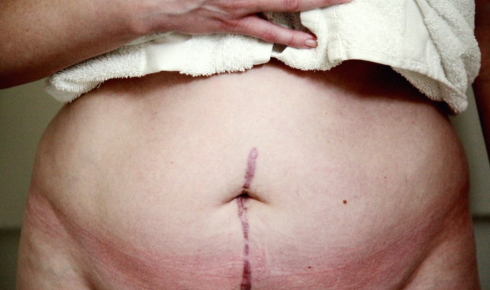
Getting surgery is rarely a walk in the park. Even when it’s something as common as an inguinal hernia repair, the recovery journey can feel like you’re navigating blindfolded through a maze of vague advice, discomfort, and endless Google searches. One of the oddly specific — but surprisingly important — questions that comes up after surgery? What the heck are you supposed to wear?
Because here’s the truth: clothing matters. Especially when you’re dealing with soreness, swelling, and an incision you’re trying not to irritate. So let’s cut through the fluff and talk about what to wear after inguinal hernia surgery — no sugarcoating, just real-life comfort talk from someone who’s been there (or at least done their homework).
The First 24-48 Hours: Less Is More
Right after surgery, you’re going to feel like your body’s been through a battle. That’s because, well… it kind of has. Whether you’ve had laparoscopic or open hernia repair, your lower abdomen will likely be swollen, tender, and not particularly thrilled about anything tight or restrictive.
This is where loose, breathable clothing becomes your best friend. Think soft pajama pants, drawstring lounge pants, and oversized cotton tees. Avoid anything with a tight waistband. Compression might come later — but right now, your only job is to rest and avoid pressure near the surgical site.
Pro tip: A long shirt or robe can be handy if you just want to skip pants entirely those first couple days. Comfort and dignity can coexist.
Support Garments: Helpful or Overhyped?
There’s a lot of chatter online about post-hernia compression underwear or surgical binders. Are they worth it?
Sometimes, yes — but not for everyone and not immediately. Your surgeon might recommend a light compression garment a few days post-op to help support the healing tissue and minimize swelling. These aren’t corsets. They’re more like snug boxer briefs or stretchy support shorts.
And they’re not just about feeling “held together.” That bit of support can actually ease pain while moving, coughing, or even standing. The key? Choose ones with a soft waistband that sits comfortably above the incision and doesn’t dig into the area. When done right, the snugness can be comforting, not constricting.
Just don’t go rogue. If your doc didn’t mention one, ask first before wrapping your belly like a Christmas ham.
Jeans? Belts? Real Clothes?
Here’s where we usually get antsy. At some point, you’ll want to look and feel like a functioning adult again. Maybe you have to go back to work. Maybe you’re tired of looking like you live in a nap zone. Whatever the reason, you’ll start eyeing “real clothes” again — and that’s okay.
But ease into it.
Jeans? Only if they’re stretchy and have a forgiving waist. Belts? Skip them for a while. Try joggers, yoga pants, or even maternity pants (yes, really — they’re magical for this kind of thing). Keep everything soft, stretchy, and non-irritating.
And underwear? Look for seamless, breathable fabrics. High-waisted briefs can be great because they don’t put pressure directly on your lower abdomen. What matters most is that nothing rubs or pulls where it shouldn’t — especially near the inguinal hernia surgery scar.
This scar is usually low, near the groin crease, and even if it’s healing well, the skin around it can be extra sensitive for weeks. Gentle fabrics and loose fits can make a world of difference during those early months.
Out and About: Dressing with Subtle Confidence
Once you’re a few weeks out, you’ll probably be moving around more and feeling a bit more like yourself. That’s the time to start balancing comfort with confidence.
Soft, dark-colored pants can help conceal any unexpected swelling or awkwardness. Layering helps too — a casual shirt over a tank or undershirt gives flexibility if you start feeling warm or need to adjust for pressure.
If you’re nervous about bending or lifting in public (grocery bags, strollers, you name it), support underwear or compression shorts beneath your clothes can still be your quiet little armor. No one sees it, but you’ll feel safer — more stable. Not like you’re going to split open from a sneeze. Because, let’s be real, that fear is very real for a while.
Long-Term Considerations: Healing Inside and Out
Even after the stitches are gone and your movements feel easier, your body’s still doing the deeper healing. Scar tissue forms. Muscles re-adjust. Some people experience tightness or tingling near the incision area for months.
So yeah — what you wear continues to matter. Even after you’re “cleared,” there’s no shame in still prioritizing comfort.
It’s also okay if your scar changes how you feel about certain clothing. You might avoid low-rise jeans now. Or maybe you’re more particular about seams in your underwear. Totally normal.
The goal isn’t to snap back into old routines. It’s to feel good in your body again — whatever that takes.
Wrapping It Up: Dignity, Comfort, and a Bit of Humor
The question of what to wear after inguinal hernia surgery might seem small, but it has big emotional impact. When you’re healing, everything feels vulnerable — your body, your energy, your confidence. The right clothes? They help you feel a little more human, a little less fragile.
So go easy on yourself. Stock up on soft stuff. Stretchy stuff. Clothes that make you breathe a little easier — literally and emotionally.
And maybe stash a pair of real pants in the closet for later. You’ll get there. Just not today.
