

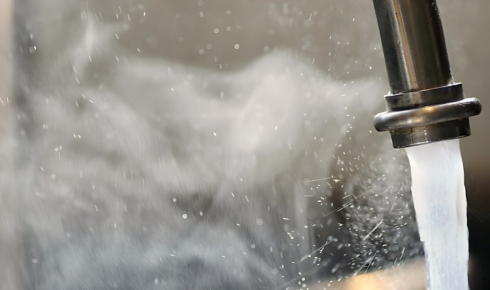
There’s something oddly unsettling about turning on your tap and seeing cloudy hot water gurgle out. It’s one of those everyday mysteries we don’t really think about until it happens. You’re standing there, mug in hand, waiting for your tea water — and instead of clear, steaming liquid, it looks like you’re about to brew your drink with fog.
So, why is hot water cloudy sometimes? Is it something in the pipes? Is it dangerous? Should you call a plumber or just give it a shrug and carry on with your shower?
Let’s untangle the steam and make sense of what’s really going on.
A Common Household Quirk — Not Always a Crisis
Before we dive deep, let’s ease some of the anxiety: cloudy hot water is usually harmless.
Most of the time, this murky appearance is due to harmless air bubbles that form when cold water is rapidly heated. It’s kind of like when you open a bottle of soda and it fizzes up — just with a little less drama and a lot less sugar.
But even though it’s not usually a big deal, it’s totally valid to wonder about it. After all, it’s your water — and you’re either drinking it, bathing in it, or washing your dishes with it.
So… Why Is My Hot Water Cloudy?
Great question. And no, you’re not imagining it — it really does only happen with hot water most of the time.
When water is heated, it expands. That alone wouldn’t be a problem, but hot water also holds less dissolved gas than cold water. So when the pressure from your water heater releases that water through your faucet, the gases come out of solution, forming microscopic bubbles. Those tiny bubbles reflect light and create that cloudy or milky look.
What’s really telling is if the cloudiness clears from the bottom up after a few seconds in your glass. That’s a dead giveaway it’s just air — not sediment, minerals, or something grosser.
But hey, your curiosity is valid. Let’s look at some other reasons it could be happening, just to cover our bases.
Other Potential Culprits for Cloudy Water
Not all cloudiness is created equal. Sometimes it’s just air. But sometimes, there’s a little more going on.
1. Sediment Buildup in the Water Heater
Over time, minerals like calcium and magnesium settle at the bottom of your water heater. If your heater hasn’t been flushed in a while (and be honest — when was the last time?), that sediment can stir up when you run hot water. The result? A cloudy appearance and sometimes even a gritty texture.
2. Hard Water Issues
If you live in an area with hard water — meaning water with high mineral content — you’re more likely to see cloudiness. These minerals can react to heat and cause temporary clouding, particularly if your water softener isn’t working correctly (or you don’t have one at all).
3. Corroded Plumbing or Rust
In older homes, rust from aging pipes or the water heater tank can break off and mix into the water. That usually gives your hot water cloudy a slightly orange or brownish tint, not just cloudiness. If your water looks discolored and smells metallic, it might be time for some plumbing attention.
Is It Safe to Use Cloudy Hot Water?
Yes — usually. If it’s caused by air bubbles, it’s completely safe. But if the cloudiness is coming from sediment, rust, or an issue with your plumbing, that could change the picture.
So how do you know?
Try this quick test: Fill a clear glass with the cloudy water and let it sit undisturbed for a minute or two. If the water clears up from the bottom to the top, it’s just air — nothing to worry about.
If it stays cloudy or takes on a tint — brown, orange, yellow — it’s time to investigate further.
Can I Fix It Myself?
Absolutely — in many cases, yes.
If your cloudy water is due to sediment in the heater, flushing your water heater once or twice a year can help. It’s not too hard to do with a little guidance, and there are plenty of helpful videos out there.
If hard water is the issue, installing or checking on a water softener can make a big difference, not just in appearance but in the lifespan of your appliances too.
But if the issue seems tied to rusty pipes, older plumbing, or a hot water heater that’s seen better decades, it’s best to call a licensed plumber. Some things just need professional hands.
A Personal Take
This happened to me not too long ago — I was filling a pot to boil pasta, and the water looked like diluted milk. My first thought? “Nope. Something’s definitely broken.” But after a bit of research (and some trial and error), I realized it cleared up within seconds. It was just trapped air from the heater, doing its fizzy thing. Totally harmless. Still made me pause, though.
Moments like this remind us how easily we overlook the small systems working silently in our homes — until something catches our eye.
The Bottom Line
So, if you’ve ever stood over your sink squinting at your glass wondering, why is hot water cloudy, now you know it’s not just your imagination — and it’s usually no big deal.
It’s one of those everyday puzzles that turns out to be more interesting than it is alarming. A mix of physics, chemistry, and a little bit of home maintenance all wrapped into one.
Still, it’s worth staying observant. If the cloudiness lingers, smells odd, or looks tinted, don’t shrug it off. Catching issues early can save you money and headaches down the line.
But in most cases? Just steam, air, and science doing their thing.