

You don’t usually wake up thinking about your water.
It’s just there. You brush your teeth, make coffee, hop in the shower—and everything works the way it’s supposed to. Or at least, it used to.
Then one day, something feels slightly off.
Your water tastes a bit sharper than you remember. Your skin feels drier after a shower. Your dishes come out with spots that weren’t there before. Nothing dramatic, nothing urgent—just small things that quietly start to stack up.
And before you know it, water—the most basic part of your home—becomes something you notice.
When “Good Enough” Stops Feeling Good
Most homes have access to safe water. That’s not usually the issue.
But “safe” doesn’t always mean comfortable. Or efficient. Or pleasant to use every single day.
Water can carry minerals, residual chemicals, and other elements that don’t necessarily harm you—but they do affect how your home feels and functions.
That’s where the conversation starts to shift.
Not from panic, but from curiosity.
Why does my water feel different?
The Hidden Impact of Hard Water
Hard water is one of the most common culprits behind those subtle changes.
It’s rich in minerals like calcium and magnesium, which sound harmless enough—and they are, technically. But over time, they start to leave their mark.
You’ll see it in your kettle, your showerhead, even inside your washing machine. A chalky residue that builds slowly, almost invisibly, until it becomes impossible to ignore.
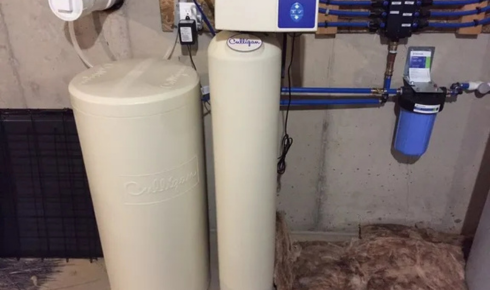
That’s why many homeowners begin exploring water softener solutions.
Not because something is broken, but because things could work better. Softer water interacts more naturally with soap, leaves fewer residues, and feels gentler on your skin.
And once you experience that difference, it’s hard to un-notice.
That Taste You Can’t Quite Ignore
Let’s talk about taste for a second.
If you’ve ever taken a sip of tap water and paused—just for a moment—you know what I mean. It’s not bad, exactly. Just… not great.
Often, that comes down to chlorine.
It’s added intentionally to municipal water supplies to keep things safe. But while it does its job well, it can leave behind a taste and smell that some people find off-putting.
This is where chlorine taste reduction becomes relevant.
It’s not about removing safety—it’s about refining the experience. Making water feel fresher, cleaner, more like what you expect when you pour a glass.
The Long-Term Effects You Don’t See Right Away
Here’s the thing about water issues—they’re not always obvious.
Hard water buildup doesn’t just sit on surfaces. It forms inside your plumbing system, your appliances, your water heater.
And over time, it affects performance.
Your dishwasher might not clean as efficiently. Your washing machine might wear out faster. Your water heater might use more energy than it should.
That’s where hard water buildup prevention becomes more than just a maintenance tip—it becomes a way to protect your home’s infrastructure.
Because once buildup takes hold, it’s much harder to deal with.
From Frustration to Understanding
A lot of people live with water issues longer than they need to.
They adapt. They adjust. They assume it’s just part of living in a certain area.
But once you start understanding what’s actually happening—what’s in your water, how it behaves—you realize there are options.
Real, practical solutions that don’t require constant effort.
And that shift—from frustration to understanding—is where things start to improve.
The Small Changes That Make a Big Difference
What’s interesting is how quickly better water becomes your new normal.
You stop scrubbing stubborn spots off your dishes. Your laundry feels softer without extra products. Your skin doesn’t feel as dry after a shower.
Even your coffee tastes better—and you didn’t change the beans.
These aren’t huge, dramatic changes. They’re small improvements that show up consistently, every day.
And that consistency adds up.
A More Comfortable Way to Live
At its core, this isn’t really about water systems or technical fixes.
It’s about comfort.
About creating a home where things work the way you expect them to. Where you’re not constantly adjusting, compensating, or second-guessing.
Because when your water is balanced, your routines feel smoother. More predictable. Less like work.
When You Stop Thinking About Your Water
The goal isn’t to become obsessed with your water quality.
It’s the opposite.
It’s to reach a point where you don’t have to think about it at all.
You turn on the tap, and everything feels right. No strange taste, no unexpected residue, no subtle frustrations in the background.
Just water doing what it’s supposed to do.
The Kind of Upgrade That Stays With You
Not all home improvements are visible.
Some don’t change how your space looks—they change how it feels to live in.
Better water is one of those upgrades.
It’s quiet. Subtle. Easy to overlook—until you’ve experienced it.
And once you have, it becomes part of your everyday life in a way that’s hard to replace.
Because sometimes, the biggest difference isn’t what you see.
It’s what you stop noticing altogether.