

There’s a certain trust we place in the water that comes out of our taps. It’s not something we usually question. You turn the handle, fill a glass, move on with your day. Simple.
But every now and then, something feels a little… off. Not alarming, not urgent, just enough to make you pause. And if you’ve ever stood there staring at your glass for a second longer than usual, you know exactly what I mean.
Water doesn’t always shout when there’s a problem. Sometimes, it just whispers.
The Color That Catches Your Eye
Let’s start with something you can’t ignore—color.
One morning, your water looks slightly yellow or brownish. Maybe it clears up after a few seconds, maybe it doesn’t. Either way, it sticks in your mind.
Discolored water is often one of the first visible signs that something isn’t quite right. It can be caused by a range of things—rust in older pipes, sediment stirred up from the water supply, or even changes in local infrastructure.
It’s easy to assume it’s a one-time issue. And sometimes, it is. But if it happens more than once, it’s worth paying attention.
Because while it might not always be dangerous, it’s definitely not something to ignore. At the very least, it’s a sign your water system needs a closer look.
When Clear Isn’t Really Clear
Then there’s the kind of water that looks okay at first glance—but not quite.
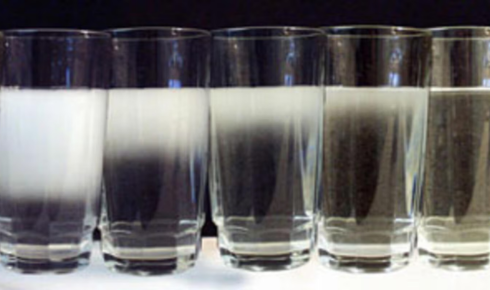
You pour a glass, and instead of being crystal clear, it appears a bit hazy. Almost milky. You might think it’s just air bubbles, and sometimes, that’s exactly what it is.
But when cloudy water sticks around longer than it should, it can point to other issues. Suspended particles, mineral content, or even pressure changes in your plumbing system.
What’s tricky about this one is how easy it is to dismiss. It doesn’t look “dirty” in the traditional sense, just… unclear.
And yet, it’s often a sign that your water isn’t as clean as it should be.
The Taste You Can’t Ignore
Now, let’s talk about something even more personal—taste and smell.
You take a sip, and something doesn’t feel right. It might be metallic, slightly bitter, or carry a faint chemical note. Or maybe there’s a smell you can’t quite place.
That’s when water stops being background noise and becomes something you actively notice.
Bad taste or odor is often linked to chlorine, sulfur, or organic matter in the water. Sometimes it’s harmless, just unpleasant. Other times, it’s a clue that something deeper is going on.
Either way, it changes your relationship with your water. You hesitate. You second-guess. You might even start reaching for bottled water more often.
And that’s usually when you realize how important clean, reliable water really is.
Why These Small Signs Matter
What’s interesting is how these issues rarely show up all at once. They come in bits and pieces—color one day, taste another, maybe a slight change in clarity somewhere in between.
Individually, they don’t feel urgent. But together, they paint a picture.
And that picture often points to underlying problems that aren’t going to fix themselves.
Water quality can be affected by so many factors—aging pipes, local water treatment changes, seasonal shifts, even something as simple as sediment buildup.
Ignoring it doesn’t make it go away. It just delays the moment when you have to deal with it.
Understanding Before Reacting
The instinct, for many people, is to jump straight to a solution. Buy a filter, switch to bottled water, maybe even replace fixtures.
But the better approach is to start with understanding.
What exactly is causing the issue? Is it something temporary, or part of a larger pattern? These are questions worth answering before making any decisions.
Because not all water problems are the same. And the right solution depends entirely on what you’re dealing with.
Sometimes, it’s a simple fix. Other times, it requires a more comprehensive approach. But either way, clarity—pun intended—comes first.
The Comfort of Knowing Your Water Is Right
There’s a certain peace of mind that comes from trusting your water again.
You pour a glass without thinking twice. You cook, clean, and shower without hesitation. It becomes what it was always meant to be—something you don’t have to question.
And that shift, from uncertainty to confidence, is more valuable than it might seem.
It’s not about perfection. It’s about reliability.
A Quiet Reminder to Pay Attention
Water has a way of blending into our lives so completely that we forget it’s even there. Until it isn’t quite right.
Those small changes—the color, the clarity, the taste—they’re not random. They’re signals.
And while they might not demand immediate action, they do deserve attention.
Because the sooner you notice them, the easier it is to address them.
And in the end, that’s what it comes down to—not reacting to problems, but understanding them early enough to keep things simple.
Sometimes, all it takes is paying a little closer attention to something you use every single day.