

There’s something quietly comforting about filling a glass straight from your kitchen sink. No bottles. No boiling. No second guessing. Just turn the handle and pour.
At least, that’s how it’s supposed to feel.
But if you’ve ever hesitated before taking that first sip—because the taste felt off, or the smell seemed faintly chemical—you’re not alone. Water is one of the most used resources in our homes, yet it’s also one of the least examined.
And lately, more families are paying closer attention.
When “Safe” Isn’t the Same as “Satisfying”
Municipal water systems do an enormous job. They treat water to meet regulatory standards, disinfecting it and removing harmful contaminants before it reaches your home. That matters.
Still, “safe” doesn’t always mean ideal for taste or personal preference.
Chlorine, for example, is commonly used to disinfect water. It’s effective. But it can leave behind a distinct flavor or odor. In some regions, naturally occurring minerals affect clarity or mouthfeel. In older plumbing systems, trace metals may contribute subtle changes over time.
None of this automatically signals danger. But it does spark curiosity.
And that curiosity often leads homeowners to explore drinking water purification options designed to go a step beyond baseline treatment.
Understanding What’s Actually in Your Water
Before jumping into solutions, it helps to understand the basics.
Water can carry several types of impurities:
- Sediment (tiny particles of sand, rust, or debris)
- Chemical disinfectants like chlorine
- Dissolved minerals
- Organic compounds
- Trace metals
Each of these requires a slightly different approach if you want to address it effectively.
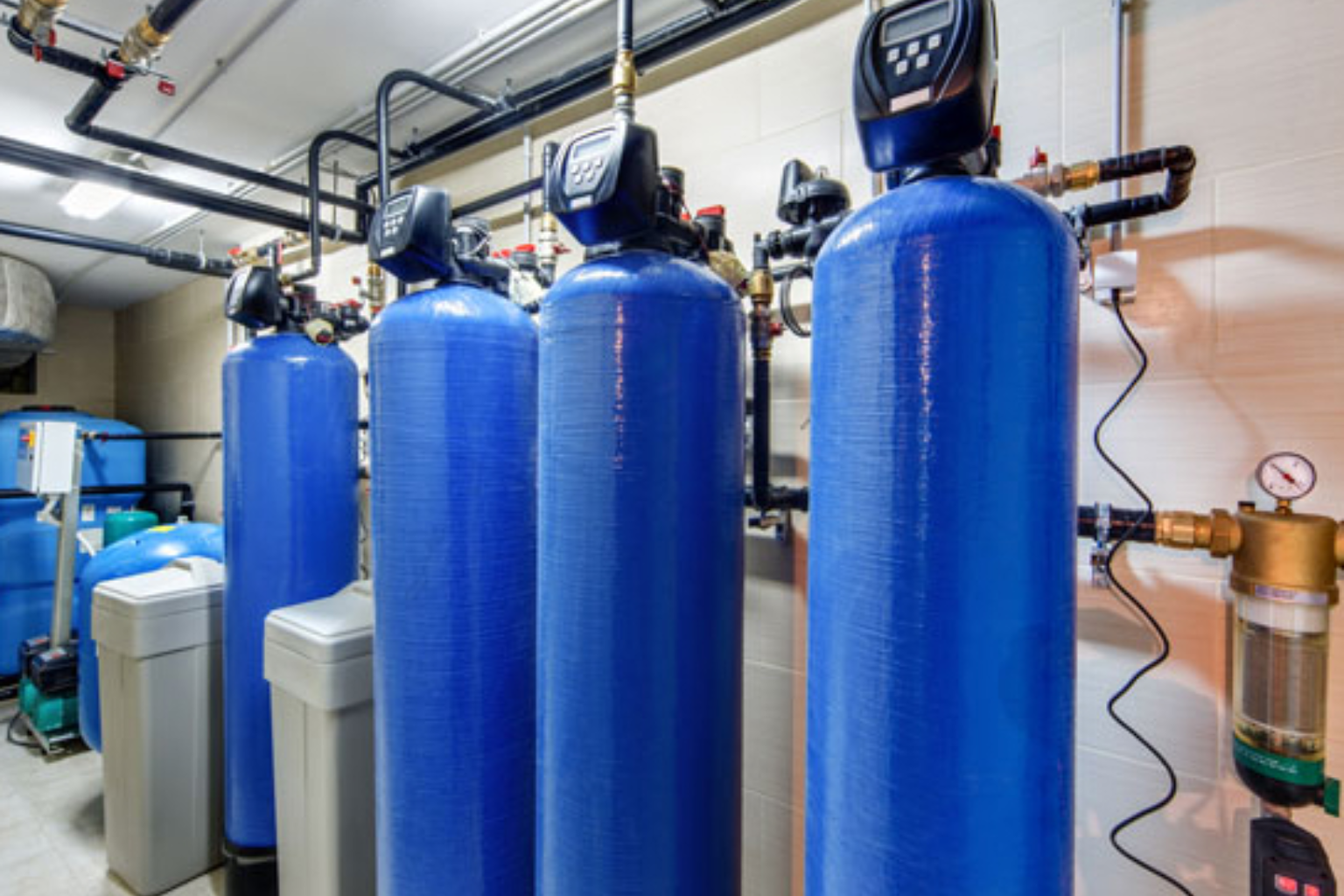
That’s why many systems rely on multi stage filtration rather than a single filter. Instead of attempting to solve everything at once, they break the process into layers—each stage targeting a specific type of impurity.
One layer might remove sediment. Another might focus on chemical taste. A final stage could polish the water for clarity.
It’s not complicated once you understand the concept. It’s simply thorough.
The Often Overlooked First Step: Sediment
If your water ever appears cloudy after heavy rainfall or plumbing work, sediment may be the culprit.
Tiny particles—sometimes invisible to the naked eye—can travel through pipes and accumulate over time. While sediment isn’t necessarily harmful, it affects clarity and can interfere with more delicate filtration stages downstream.
That’s where sediment control plays a quiet but crucial role.
By capturing larger particles early in the process, sediment filters protect additional filtration components and extend system lifespan. It’s like a first line of defense, keeping everything else running smoothly.
You might not notice sediment until you look closely. But once it’s managed, the difference in clarity can be surprisingly satisfying.
Taste Changes Behavior
One of the most interesting effects of upgrading water quality isn’t mechanical—it’s behavioral.
When water tastes better, people drink more of it.
Families often report reduced reliance on bottled water after installing a purification system. Children refill their cups without complaint. Coffee and tea taste cleaner. Ice cubes no longer carry an odd aftertaste.
It’s subtle, but meaningful.
Hydration habits improve not because someone mandated it—but because the experience itself feels better.
Environmental Ripple Effects
There’s also a sustainability angle to consider.
Bottled water consumption generates significant plastic waste. Even with recycling efforts, not all bottles avoid landfills. Reducing dependence on single-use plastics by improving tap water quality at home can have a small but cumulative environmental impact.
Purification systems aren’t just about convenience—they can align with broader household goals around waste reduction.
Again, it’s not dramatic. It’s incremental progress.
Maintenance: A Realistic Perspective
No water system is entirely maintenance-free.
Filters need replacing. Components require occasional checks. Ignoring upkeep reduces performance over time.
The good news? Most residential systems are designed for simplicity. Replacement schedules are predictable. Instructions are straightforward.
It’s comparable to replacing HVAC filters or checking smoke detector batteries—routine home care rather than constant oversight.
Consistency keeps water quality steady.
Choosing the Right Approach
Not every home requires the same setup.
Some households only need basic taste improvement. Others may benefit from comprehensive filtration due to regional water characteristics.
Testing your water is often the smartest first step. Understanding mineral content, sediment levels, and chemical presence allows you to tailor solutions instead of guessing.
There’s no need to over-engineer a system if a simple setup will do. Likewise, it’s worth investing appropriately if your water profile calls for it.
Informed decisions lead to better long-term outcomes.
Peace of Mind Is Part of the Value
Water touches nearly every part of daily life—cooking, drinking, cleaning, bathing.
Knowing that it’s been thoughtfully filtered offers a quiet sense of confidence.
It’s not about chasing perfection. It’s about reducing uncertainty.
That reassurance can feel especially valuable in households with children, aging plumbing, or well water sources.
You don’t need to obsess over it. But understanding your options shifts water from a passive utility to an active choice.
A Better Everyday Experience
At the end of the day, upgrading your home’s water quality isn’t flashy.
It won’t change your décor. It won’t boost resale value overnight. It won’t draw compliments from guests.
But it will shape the small moments.
The first sip in the morning. The clarity of a glass of iced tea. The comfort of knowing your water is being treated thoughtfully.