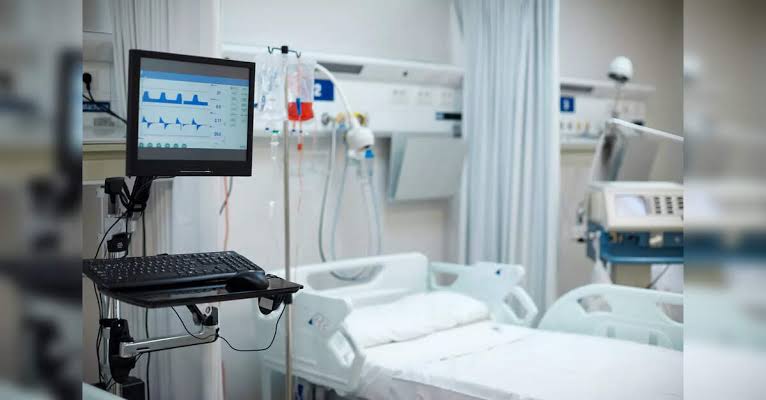
Medical imaging is an important part of modern healthcare. Doctors rely on X-rays and other imaging methods to examine injuries, identify abnormalities, and support treatment decisions. As patient numbers increase, hospitals need reliable equipment and efficient processes to manage diagnostic services without unnecessary delays.
Modern radiology solutions help healthcare facilities improve image acquisition, manage examinations, and make diagnostic information easier to access. However, choosing the right technology involves more than purchasing advanced equipment. Hospitals must also consider available space, staff training, maintenance requirements, and patient safety.
Building an Efficient DR Room
A well-planned DR room can make a significant difference to the daily functioning of a radiology department. Digital radiography rooms are designed to capture X-ray images electronically, allowing images to be reviewed soon after exposure.
The layout should provide enough space for equipment movement, patient positioning, and staff access. Proper lighting, suitable electrical infrastructure, radiation shielding, and clear safety procedures are also important considerations.
When planning a DR room, hospitals should consider their expected examination volume and the types of patients they serve. Facilities that regularly examine patients with limited mobility may need layouts that support easier transfers and safer positioning.
Well-organised radiology solutions can help departments maintain a smoother workflow, provided the equipment and room design meet clinical requirements.
How Mobile Radiography Supports Patient Care
Not every patient can easily travel to a dedicated imaging department. Patients in intensive care, emergency units, or hospital wards may have difficulty moving because of their medical condition.
Mobile radiography allows trained staff to perform X-ray examinations at the patient’s bedside using portable imaging equipment. This can reduce the need to transport certain patients and help clinical teams obtain images when they are needed.
Successful mobile radiography depends on suitable equipment, trained operators, infection prevention procedures, and radiation protection measures. Staff must follow local safety requirements, including appropriate positioning, controlled access to the examination area, and the use of protective measures when indicated.
The Importance of Reliable Medical Image Printing
Although digital images are widely used, some healthcare facilities still require physical copies for specific clinical, referral, or documentation needs. Dry imaging printers can convert compatible digital medical images into hard copies without traditional wet chemical processing.
The DRYSTAR 5302 is a medical dry imaging printer associated with diagnostic image printing. Facilities considering this model should confirm its current availability, supported film formats, network compatibility, and suitability for their existing equipment before purchasing.
Integrating a compatible printer into existing radiology solutions can help facilities maintain their preferred documentation processes. Regular maintenance and the correct use of approved consumables are also important for consistent printing performance.
Conclusion
Reliable medical imaging technology can help healthcare facilities improve workflow organisation, support clinical teams, and meet changing patient needs. A specialist provider offering digital imaging equipment, mobile radiography systems, and dry printing technology can help hospitals evaluate suitable options for their departments. Access to compatible products, technical guidance, and dependable service support remains important for maintaining efficient and consistent diagnostic imaging operations.