

There’s a quiet question most of us don’t ask out loud: is the water coming from my tap actually as good as it could be?
For the most part, municipal water is safe. It’s treated, regulated, tested. But “safe” and “ideal” aren’t always the same thing. You might notice a faint chlorine taste. Maybe your ice cubes look cloudy. Or perhaps you’ve simply started paying closer attention to what you’re putting into your body every day.
That curiosity is usually what leads people down the path of home filtration — and eventually to the conversation about reverse osmosis water.
Why Taste Is Often the First Clue
Water doesn’t need to be contaminated to taste different. Chlorine is commonly used to disinfect municipal supplies, and while it plays an important safety role, it can leave behind a flavor that some people find unpleasant.
Well water users face a different set of concerns. Iron, sulfur, or naturally occurring minerals can influence both smell and taste. Even if the water meets safety standards, the experience of drinking it might not feel satisfying.
This is where basic filtration begins to make sense. Carbon filters can reduce chlorine and improve flavor significantly. But for homeowners seeking deeper drinking water purification, reverse osmosis systems often become the next step.
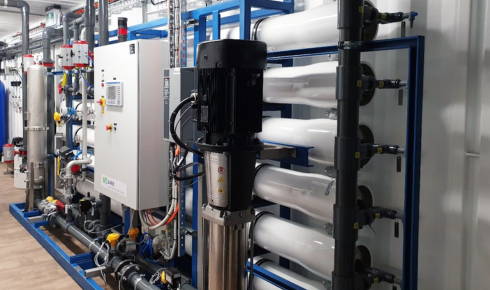
Reverse osmosis, or RO, uses a semi-permeable membrane to remove dissolved solids from water. The process is precise, separating water molecules from many impurities that standard filters can’t capture.
The result is water that often tastes noticeably cleaner — lighter, almost crisp.
What Reverse Osmosis Actually Removes
The phrase “reverse osmosis” sounds technical, maybe even intimidating. But at its core, it’s a mechanical process driven by pressure.
Water is pushed through a membrane with extremely tiny pores. These pores allow water molecules to pass while blocking many contaminants, including certain heavy metals, nitrates, and dissolved salts.
This method of contaminant removal goes beyond what a simple carbon filter can achieve. It addresses dissolved substances rather than just odors or sediment.
That doesn’t mean every home needs reverse osmosis. It depends on your water source and your goals. For some households, a high-quality carbon filter is sufficient. For others — especially those with elevated dissolved solids — RO systems provide peace of mind.
Testing your water before deciding is always wise.
The Subtle Benefits You Notice Over Time
People often describe RO water as “cleaner tasting,” but the difference can be surprisingly subtle at first.
Coffee may taste brighter. Tea might feel smoother. Ice cubes freeze clearer. Even soups and sauces can have a cleaner base flavor.
It’s not a dramatic overnight transformation. It’s more of a quiet upgrade.
And then there’s the convenience factor. When you trust your tap, you’re less likely to buy bottled water. That means fewer plastic bottles, fewer trips to the store, and potentially lower long-term costs.
Small shifts add up.
Addressing Common Concerns
Some critics argue that reverse osmosis removes beneficial minerals along with contaminants. It’s true that RO water is lower in dissolved minerals. However, most of the minerals we rely on nutritionally come from food rather than water.
Others worry about waste water. Traditional RO systems do produce some wastewater during filtration, though modern designs have improved efficiency significantly.
Understanding both the pros and cons helps you make a balanced decision.
Maintenance Matters
Like any filtration system, reverse osmosis units require upkeep. Filters need replacing periodically, and membranes have a lifespan.
Ignoring maintenance can reduce performance and compromise water quality. Fortunately, most modern systems are designed for straightforward service schedules.
Replacing filters on time ensures your system continues operating as intended.
Think of it as routine maintenance — like changing the oil in your car. A small habit that preserves performance.
Is Reverse Osmosis Right for You?
Not every home needs the most advanced system available. The best solution is the one that matches your water profile.
If your primary concern is chlorine taste, a carbon filter may solve the problem. If dissolved solids or specific contaminants are present, reverse osmosis might make sense.
Testing remains the foundation. It eliminates guesswork and ensures you’re investing in a solution that addresses actual conditions rather than perceived ones.
Water quality isn’t about fear. It’s about clarity.
A Final Thought on Everyday Water
Water flows through nearly every part of your life. It’s easy to overlook because it’s constant.
But when you pause and consider how often you drink it, cook with it, and rely on it, the idea of improving it feels less extravagant and more practical.
Upgrading your water isn’t about chasing perfection. It’s about removing small annoyances and building confidence in something you use every single day.