

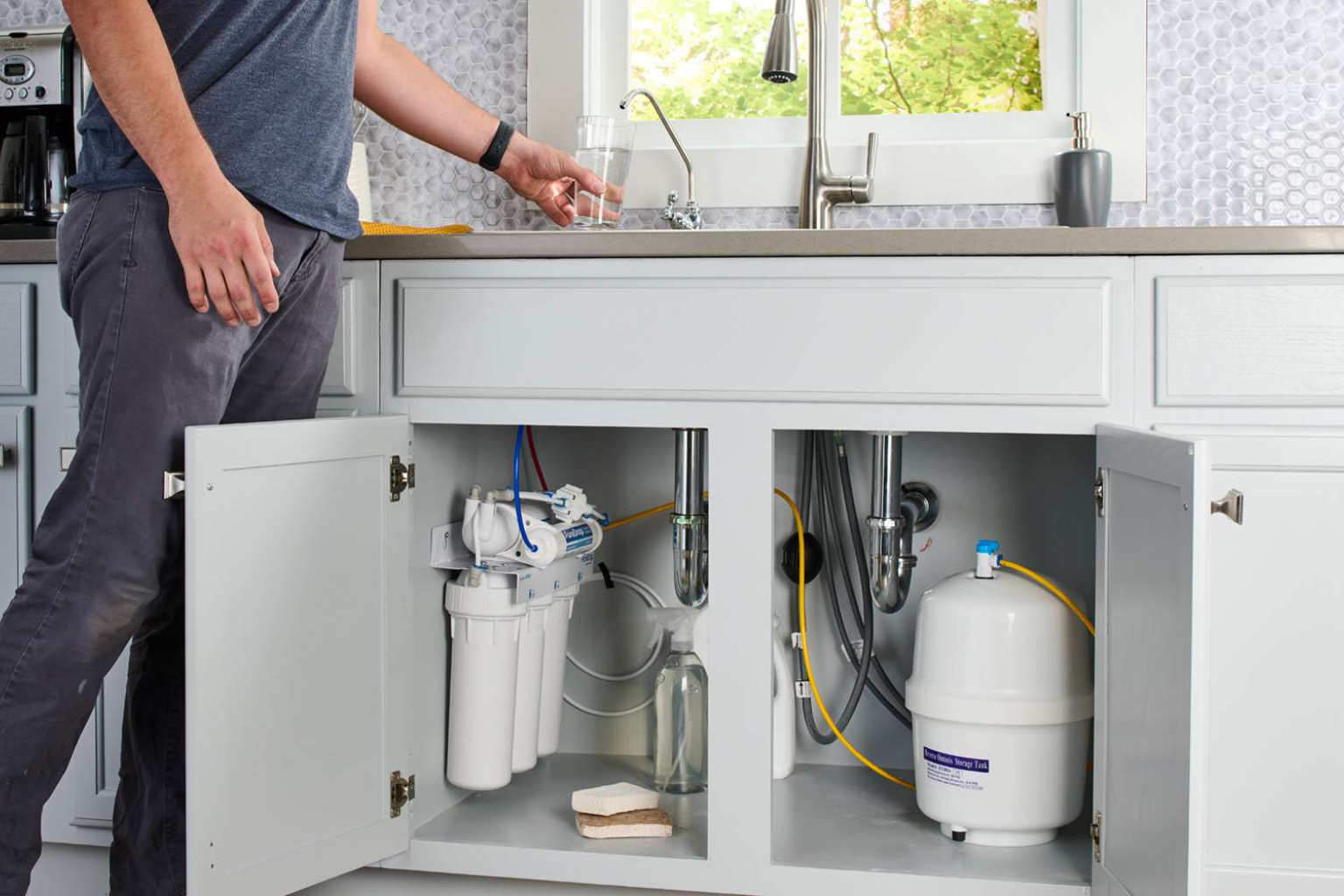
It usually begins with something small — a faint white residue on the sink, a shower that leaves your skin feeling oddly tight, or laundry that never seems quite as soft as you expect. At first, most people ignore these signs. Life is busy, and a few water spots on glassware hardly feel urgent.
But over time, these little annoyances tend to multiply. Appliances start working harder, soap doesn’t lather properly, and cleaning takes more effort than it should. Eventually, many homeowners realize they’re dealing with something incredibly common: hard water.
And once you start paying attention to how hard water affects your daily life, you also begin to see why modern water softening solutions have become such a quiet but powerful home upgrade.
Hard Water: The Invisible Household Challenge
Hard water isn’t dangerous, which is partly why it goes unnoticed for so long. It simply contains higher levels of minerals like calcium and magnesium, naturally picked up as water moves through underground rock and soil.
But while those minerals may be harmless to drink, they can be surprisingly disruptive for your home. Over time, they leave scale deposits inside pipes, water heaters, and appliances. That buildup reduces efficiency, increases energy consumption, and shortens equipment lifespan.
Hard water also changes how water interacts with soap and detergents. Instead of dissolving easily, soap binds with minerals, forming residue that sticks to surfaces — including skin, hair, and fabrics.
Many people describe the experience as subtle but frustrating. Showers feel less refreshing, dishes look dull, and clothes lose their softness faster.
That’s where water softening systems come into the picture.
The Evolution of Modern Water Softeners
Older water softening systems were often bulky, inefficient, and required frequent manual adjustments. Today’s technology, however, has evolved significantly.
Modern high-efficiency softeners are designed to remove hardness minerals while using less water, salt, and energy than earlier models. They operate intelligently, adjusting regeneration cycles based on actual water usage rather than fixed schedules.
This efficiency makes them both environmentally friendly and cost-effective over time. Homeowners often notice not only improved water quality but also reduced utility expenses due to better appliance performance.
What’s interesting is how quickly people adapt to softened water once they experience it. Showers feel smoother, cleaning becomes easier, and even everyday tasks like washing dishes seem less labor-intensive.
It’s not a dramatic change — more like a steady improvement that quietly enhances comfort.
Consistency Matters More Than You Think
One challenge traditional softening systems faced was maintaining consistent performance during high water usage. In many households, water demand fluctuates significantly throughout the day.
Morning routines, laundry cycles, and evening showers can all create peak demand periods. When older systems entered regeneration mode, softened water temporarily stopped being available.
That’s why many homeowners now prefer twin-tank softeners. These systems use two separate tanks that operate alternately. While one tank regenerates, the other continues to provide softened water.
The result is uninterrupted performance, even during heavy usage periods. Families no longer have to worry about inconsistent water quality or timing their water usage around regeneration cycles.
This continuous operation makes twin-tank systems particularly appealing for larger households or homes with high water consumption.
Space-Saving Solutions for Modern Homes
Another important factor in choosing water softening systems is space. Not every home has a large utility area to accommodate bulky equipment.
Recognizing this, manufacturers have developed compact units designed to deliver effective softening without requiring significant installation space. These systems fit easily into smaller basements, utility closets, or even under-sink areas in some cases.
Despite their smaller size, many compact units offer advanced features comparable to larger systems. They combine efficiency, performance, and convenience in a design suited for modern living spaces.
For homeowners with limited space, these units provide a practical way to enjoy the benefits of softened water without compromising layout or functionality.
Long-Term Benefits Beyond Comfort
While improved comfort is one of the most noticeable advantages of softened water, the long-term benefits are equally important.
Softened water helps prevent scale buildup, which allows water heaters and appliances to operate more efficiently. Over time, this reduces energy consumption and maintenance costs.
Pipes remain cleaner, reducing the likelihood of clogs and extending plumbing lifespan. Cleaning products work more effectively, requiring smaller quantities to achieve the same results.
These cumulative benefits often make water softening systems a worthwhile investment for homeowners focused on long-term savings.
Environmental and Lifestyle Advantages
Modern water softeners also contribute to sustainability. High-efficiency systems minimize water waste during regeneration cycles and reduce salt usage compared to older models.
By improving appliance efficiency and reducing detergent consumption, softened water supports environmentally friendly household practices.
There’s also a lifestyle benefit that’s harder to measure but easy to appreciate. Softened water simply feels better — on skin, hair, fabrics, and surfaces.
It creates a subtle but consistent improvement in everyday experiences.
Technology Is Making Systems Smarter
Today’s water softening systems increasingly incorporate smart technology. Many models include digital monitoring features that track water usage, system performance, and maintenance needs.
Some systems even allow homeowners to monitor settings through mobile apps, providing alerts when filters or salt levels need attention.
This integration of technology makes water management more convenient and ensures optimal performance without constant manual oversight.
A Quiet Upgrade That Makes a Lasting Difference
Water softening systems may not be the most visible home improvement, but their impact is far-reaching. They enhance comfort, protect appliances, reduce maintenance costs, and improve daily routines in subtle but meaningful ways.
Perhaps that’s what makes them so valuable — they operate quietly in the background, shaping the quality of life without demanding attention.
Because sometimes, the best upgrades aren’t the ones you notice immediately. They’re the ones that quietly make everything feel just a little easier, every single day.