

Most of us don’t think much about the water that flows from our kitchen faucet. We twist the handle, fill a glass, and move on with our day. It’s clear. It’s cold. It’s “fine.”
But every now and then, something makes you pause. Maybe your water tastes slightly metallic. Maybe your ice cubes look cloudy. Or maybe you’ve noticed grit collecting in the bottom of the kettle. It’s not alarming, exactly — just enough to make you wonder what’s actually in there.
That curiosity is often the first step toward understanding home water filtration. And once you start digging into it, you realize it’s less about fear and more about refinement.
Why One Filter Often Isn’t Enough
When people first consider water filtration, they usually think of a single filter — something simple that removes basic impurities. And in some cases, that’s enough. But water can contain different types of contaminants, each requiring a slightly different approach.
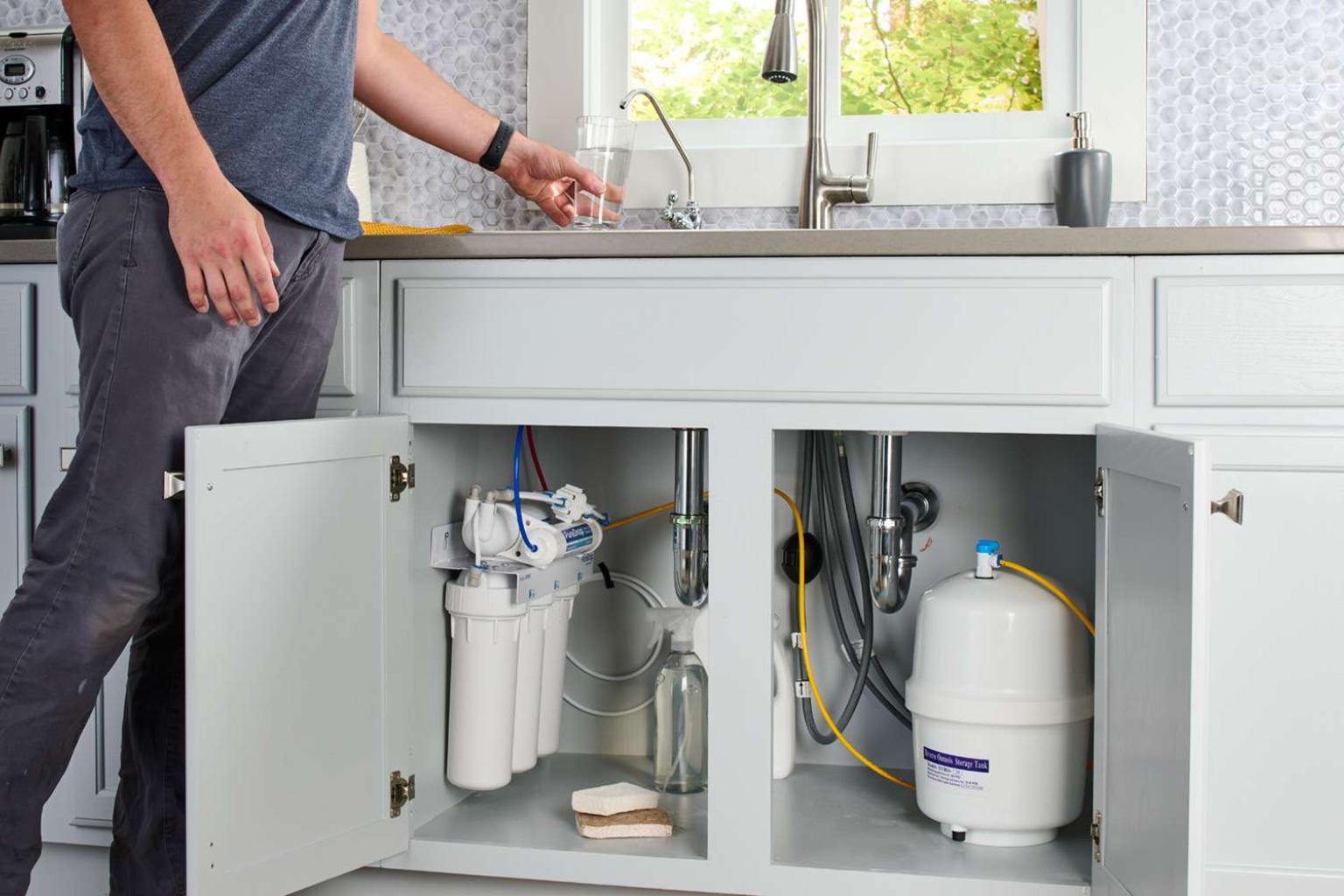
That’s where multi stage filtration systems come into play. Instead of relying on one barrier, these systems pass water through several layers, each designed to target a specific issue. One stage might remove physical particles. Another might address chemical compounds. A third could focus on taste and odor.
It’s a bit like cleaning your house. You don’t just vacuum and call it done — you dust, mop, wipe surfaces. Different tools for different tasks. Water filtration works the same way.
Multi-stage systems are especially useful in homes with mixed water quality concerns — for example, visible sediment combined with chlorine taste or mild discoloration.
The Role of Sediment Removal
If you’ve ever seen tiny particles floating in a glass of tap water, you’ve witnessed sediment firsthand. It can come from aging municipal pipes, well systems, or even natural mineral deposits.
That’s where sediment filters step in. These filters are typically the first line of defense in a filtration setup. They trap sand, rust flakes, silt, and other visible debris before the water moves on to more refined filtration stages.
Even if your water looks clear, microscopic particles can still be present. Over time, sediment can clog fixtures, reduce water pressure, and wear down appliances.
Think of sediment filtration as the foundation of a strong system. It handles the heavy lifting, protecting the more specialized filters that come after it.
And honestly, it’s satisfying to know those gritty particles aren’t traveling through your plumbing anymore.
Tackling Taste and Odor
Once sediment is handled, the next common concern is flavor. Chlorine is widely used in municipal water treatment to kill bacteria, and it does its job well. But it can leave behind a distinct smell or taste that some people find unpleasant.
This is where carbon filtration shines. Activated carbon filters are excellent at absorbing chlorine, volatile organic compounds (VOCs), and certain chemicals that affect taste and odor. The result is water that feels cleaner, smoother, and more neutral.
If you’ve ever compared tap water to filtered water and noticed a difference immediately, chances are carbon played a role in that transformation.
For households that care deeply about cooking and beverages — think coffee enthusiasts or home chefs — improved taste isn’t trivial. It changes the final product. Soup, tea, even ice cubes feel subtly better.
Choosing the Right Setup for Your Home
Not every household needs an elaborate system. The best filtration setup depends on local water quality and personal priorities.
The smartest first step? Test your water. Many companies offer testing services that reveal hardness levels, chlorine concentration, sediment presence, and more. Once you know what you’re dealing with, choosing the right combination of filters becomes far less overwhelming.
For some homes, a basic sediment and carbon combo does the trick. For others, especially those on well water, additional stages may be necessary.
It’s easy to get lost in technical specifications — micron ratings, flow rates, pressure drops. But at its core, filtration should solve real, observable issues. If you’re dealing with cloudy water, visible grit, or strong chlorine odor, there’s likely a system tailored for exactly that.
Maintenance: The Often-Overlooked Piece
Filtration systems aren’t set-it-and-forget-it devices. Filters need periodic replacement to remain effective. The frequency depends on water usage and local conditions.
Ignoring maintenance defeats the purpose of installation. A clogged filter doesn’t just lose efficiency — it can restrict water flow and even allow contaminants to bypass the system.
Fortunately, modern systems are fairly user-friendly. Many include clear guidelines for replacement schedules, and some even offer reminder indicators.
It’s not complicated. It just requires consistency.
The Bigger Picture: Peace of Mind
At the end of the day, home filtration isn’t about paranoia. It’s about preference and control.
You’re choosing to refine what enters your home. You’re deciding that clear, better-tasting water is worth a small investment and occasional upkeep.
And once it’s in place, you stop thinking about it.
You pour a glass without hesitation. You cook without wondering if the water will affect the flavor. You clean without noticing mineral grit around the faucet.
It becomes background comfort — one of those quiet improvements that simply makes daily life smoother.
We spend so much energy upgrading visible parts of our homes — flooring, lighting, appliances — but the systems behind the walls often matter just as much. Water touches everything. It’s worth getting right.
If you’ve been noticing small signs — cloudy ice, odd taste, gritty residue — consider exploring your options. Start simple. Learn what’s in your water. Choose a system that addresses your specific concerns.
Because sometimes, the most meaningful changes are the ones you barely see — but experience every single day.