

Most of us don’t question our drinking water. We turn on the tap, fill a glass, and trust that what we’re consuming is… good enough. And to be fair, in many places, it is.
But every now and then, there’s that small moment. You take a sip and pause. Maybe it tastes slightly different than usual. Or maybe you’ve read something, somewhere, that lingers in your mind longer than expected.
It’s not fear—it’s curiosity. And that curiosity is usually the starting point for people who begin exploring ways to improve their water.
The Illusion of “Clean Enough”
Water can be tricky like that. It often looks clear, smells fine, and yet still carries things you wouldn’t necessarily want in your daily glass.
This doesn’t mean your water is unsafe. But it does mean there’s room for improvement, depending on what you care about—taste, consistency, or simply peace of mind.
That’s where drinking water purification comes into the conversation. Not as a reaction to a problem, but as a step toward refinement. It’s about taking something that’s already acceptable and making it better.
And once you experience that difference, it’s hard to ignore.
What’s Actually Being Filtered Out?
When people first hear about filtration systems, the focus often goes straight to the equipment. But what really matters is what those systems are designed to remove.
Different filters target different elements—chlorine, sediments, dissolved solids, and sometimes trace metals. This process of contaminant removal isn’t about stripping water down to nothing. It’s about reducing the things that affect how it tastes, smells, and feels.
And the interesting part? You might not even realize how much those small elements were influencing your daily experience until they’re gone.
A Closer Look at Reverse Osmosis
Among the various options available, reverse osmosis systems tend to stand out—not because they’re trendy, but because they’re thorough.
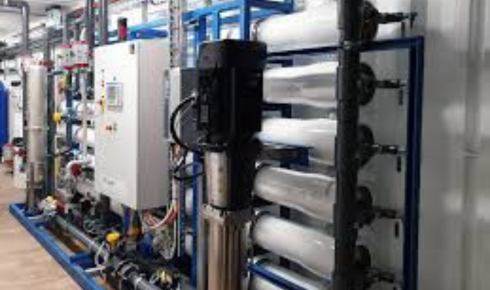
They work by pushing water through a semi-permeable membrane, filtering out a wide range of impurities at a very fine level. It sounds technical, and it is, but the result is simple—water that feels cleaner, lighter, and more neutral.
People who switch to this kind of system often mention the taste first. Not dramatically different, just… better. Easier to drink, easier to trust.
Why Taste Matters More Than We Admit
Let’s be honest—if water doesn’t taste good, we tend to avoid it. We reach for bottled alternatives or flavored drinks without thinking twice.
But when your tap water tastes clean and refreshing, something shifts. You drink more. It becomes part of your routine without effort.
And that’s one of the understated benefits of improving water quality. It doesn’t just change the water—it changes your habits.
Not Every Home Needs the Same Approach
Here’s something worth remembering: there’s no universal solution.
Some homes benefit from simple filtration at the tap. Others might need more advanced systems depending on local water conditions. It all depends on what you’re starting with and what you’re trying to achieve.
The goal isn’t to install the most complex system available. It’s to find something that fits your needs without overcomplicating your life.
The Subtle Nature of Improvement
What’s interesting about better water is how quietly it integrates into your daily routine.
You don’t wake up one day thinking, “Everything has changed.” Instead, you notice small things. Your coffee tastes a bit smoother. Your water bottles stay cleaner. You stop questioning what you’re drinking.
It’s not a dramatic transformation. It’s a steady, reliable upgrade.
Maintenance: The Reality Behind the Scenes
Of course, no system is completely hands-off. Filters need replacing. Systems need occasional checks. It’s not difficult, but it does require some attention.
The good news is that once you get into the rhythm, it becomes just another part of home maintenance. Nothing overwhelming, just something you stay on top of.
A Personal Shift You Don’t Expect
One thing people don’t always anticipate is how their relationship with water changes.
You start to trust it more. You rely on it more. And eventually, you stop thinking about it altogether—which is, in a way, the goal.
Because when something works the way it should, it fades into the background.
Final Thoughts, Kept Simple
If you’ve ever wondered whether your drinking water could be better, you’re not alone. It’s a quiet question that more people are starting to ask.
But it doesn’t need to turn into a complicated process.
Start with awareness. Understand what’s in your water and what matters to you. Then take small, thoughtful steps toward improvement.
Because at the end of the day, water isn’t just something you use—it’s something you rely on.
And when it feels right, tastes right, and works the way you expect, that trust becomes effortless.
Which, honestly, is exactly how it should be.