

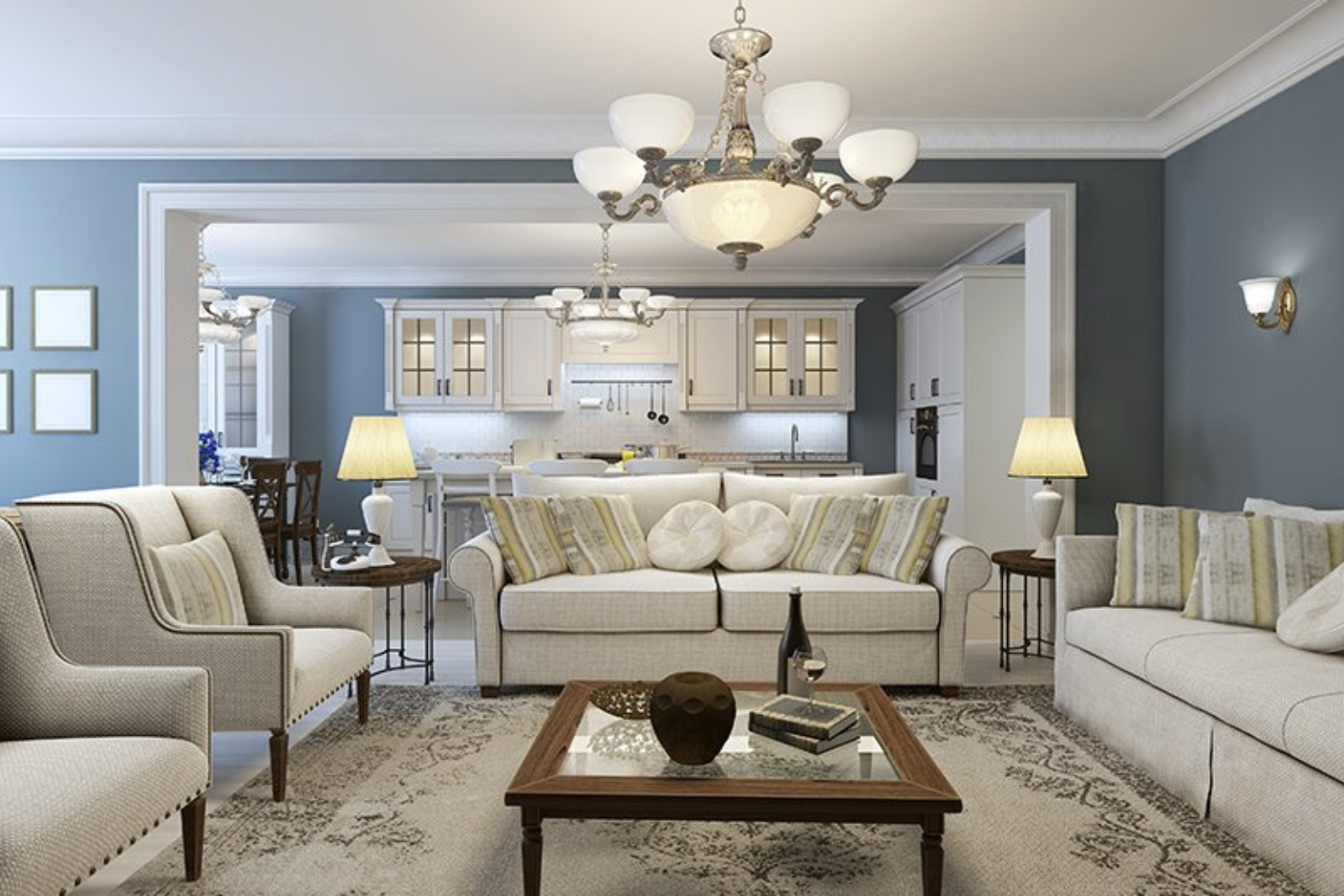
There’s a reason we gravitate toward the living room at the end of the day. It’s where conversations stretch longer than planned. Where kids build blanket forts. Where you collapse after work with a cup of tea and half-watch something on TV while scrolling your phone. It’s not always picture-perfect. In fact, it rarely is.
And that’s exactly why it matters.
The living room isn’t just a showpiece. It’s the pulse of the home. If it feels stiff or overly styled, you’ll sense it. If it feels welcoming and natural, you’ll use it more. You’ll linger. And that’s the point.
Start With Function, Not Furniture
Before buying a new sofa or obsessing over paint colors, step back and ask a simple question: what actually happens in this room?
Do you host often? Do you stretch out solo most evenings? Is it where the family gathers, or more of a quiet retreat? The answers should shape your living room design more than any trend ever could.
For example, if you love hosting, prioritize seating that encourages conversation. Angle chairs toward each other instead of lining everything up against the walls. If movie nights are your thing, arrange furniture to face the screen without sacrificing coziness.
Too often, people buy pieces first and figure out placement later. But a room works best when its purpose guides every choice.
Comfort Is Non-Negotiable
A beautiful living room that isn’t comfortable is like a cake that looks amazing but tastes bland. It might impress for a moment, but no one sticks around.
True comfortable interiors begin with how things feel — not just how they photograph. Sofas should be deep enough to curl into. Cushions should support your back without being rigid. Textures matter. Soft throws, natural fabrics, a rug that feels good under bare feet.
And here’s something people don’t talk about enough: temperature and lighting are part of comfort too. Warm light in the evening creates a different mood than harsh overhead bulbs. Even adding a dimmer switch can transform how the room feels after sunset.
When comfort leads the design, the space becomes inviting instead of intimidating.
Let the Room Breathe
Clutter sneaks in quietly. A stack of mail on the coffee table. Extra side chairs “just in case.” Decorative objects that don’t quite belong but somehow never leave.
Editing is powerful.
You don’t need to strip the room bare. Just create breathing space. Leave some surfaces clear. Allow negative space around furniture. When everything isn’t fighting for attention, the pieces that remain shine more brightly.
This is where the idea of curated spaces becomes meaningful. It’s not about owning fewer things for the sake of minimalism. It’s about choosing what stays with intention. Maybe that’s a single large artwork instead of several small ones. Or a statement lamp instead of three smaller, forgettable pieces.
Curation creates calm. It also tells a clearer story.
The Power of Layout
Arrangement can make or break a living room.
One common mistake? Pushing all furniture against the walls. It feels logical, especially in smaller spaces, but it often leaves the center feeling empty and disconnected.
Try pulling the sofa slightly forward. Create a conversation zone anchored by a rug. Position chairs so people can see each other without craning their necks. Even a few inches can change the dynamic.
Also, think about pathways. Can someone walk through the room without sidestepping a coffee table? Does opening a door block a seating area? Movement should feel intuitive, not awkward.
When a room flows naturally, you stop noticing the layout — and start enjoying the space.
Texture Over Trend
Trends come and go faster than most of us can keep up with. But texture? Texture is timeless.
Layering materials adds depth without overwhelming the room. Pair a smooth leather chair with a woven basket. Combine linen cushions with a chunky knit throw. Add wood tones to balance metal accents.
These layers give the room warmth and personality. They also make it feel lived-in rather than staged.
And don’t be afraid of imperfection. A slightly worn coffee table or a vintage sideboard adds character. A home should feel collected, not assembled overnight.
Lighting Sets the Tone
Living rooms benefit from layered lighting just as much as bedrooms do.
Overhead lighting has its place, but relying on it alone flattens the space. Add table lamps at different heights. Introduce a floor lamp near a reading chair. Even wall sconces can add depth.
In the evening, softer light transforms the room into something intimate and relaxed. During the day, let natural light take center stage. Sheer curtains soften harsh sunlight while still allowing brightness to fill the room.
Light isn’t just functional — it’s emotional.
Make It Personal
The most memorable living rooms aren’t the most expensive ones. They’re the ones that reflect the people who live there.
Display books you actually read. Hang art that resonates with you. Keep a tray for board games if that’s your thing. Let the space evolve over time.
I once visited a home where the sofa didn’t match the armchairs perfectly, and the rug had clearly seen better days. But the room felt warm. The walls held travel photos. The coffee table had a stack of well-loved novels. It wasn’t styled — it was lived in. And that made all the difference.
A Space That Welcomes You Back
At the end of the day, the living room should welcome you back. Not just physically, but emotionally.
It should feel like the place where you can drop your bag, sink into the cushions, and let the day unravel. It doesn’t have to be dramatic. It doesn’t need to follow every design rule.
It just needs to work for you.
When your living room reflects your habits, your comfort, and your personality, it becomes more than a room. It becomes the backdrop to your daily life — messy, joyful, ordinary, and meaningful all at once.
And honestly, that’s what good design is about.