

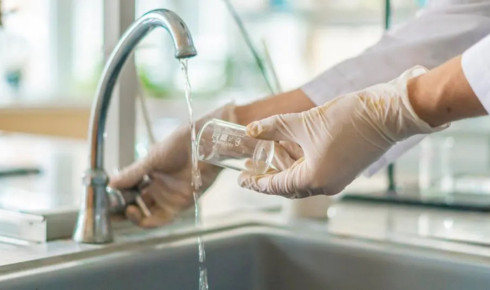
Let’s be real for a second—how often do you actually think about the water you drink every day? The water that runs through your shower, fills your coffee pot, and hydrates your kids or pets? If your answer is “uh… not much,” you’re far from alone. Most people assume that if it’s clear and has no smell, it’s fine. But here’s the twist: safe-looking water can still hide a whole world of invisible contaminants.
We live in a world where the tap water in one house might be totally fine, while the house next door has water laced with heavy metals, bacteria, or worse. And no, this isn’t fear-mongering—it’s just the plain truth. The only way to really know what’s in your water is to check your water quality directly. Not next week. Not when your skin starts itching. Now.
Why Guess When You Can Test?
A lot of homeowners rely on water softeners or filters without ever knowing what they’re actually filtering out. That’s kind of like wearing sunscreen indoors all year just because someone once said sunlight is bad. Sensible? Not really.
The problem is, water can pick up all sorts of nasties on its journey—from corroded old pipes to local agricultural runoff. You could be dealing with excessive chlorine, lead, iron, nitrates, or even microbial contaminants. The good news? You don’t need a science degree to figure it all out. You just need the right test.
This brings us to the next point: not all tests are created equal. Some are DIY strips you buy online, and others are more thorough lab-based options. But if you’ve never tested your water before, or if it’s been years, it’s probably time for a free or full water test. A professional test gives you a detailed breakdown—levels, risks, and even recommendations—so you’re not left scratching your head trying to decode colors on a plastic strip.
Hidden Problems You Didn’t Know You Had
Think your water is fine just because it tastes okay? Think again. Many contaminants are tasteless, odorless, and colorless. Lead, for instance, doesn’t change the look or flavor of your water. Neither does arsenic. And long-term exposure to these can lead to everything from skin issues to serious health risks like kidney damage or developmental delays in children.
And here’s the kicker—issues vary wildly based on where you live. In some areas, it’s agricultural waste. In others, old plumbing. If you rely on a private well, you’re practically flying blind without testing. Municipal water is usually treated, but that doesn’t mean it’s problem-free by the time it hits your tap.
Bottom line: assumptions don’t protect your health. Only knowledge does.
The Case for Doing It at Home
Now, you might be wondering—do I really need someone to come to my house for this? Can’t I just drop a sample off somewhere?
Sure, you can. But there’s real value in an in-home water test done by professionals. For one, it ensures the sample is taken correctly and analyzed in the context of your actual plumbing. Sometimes, the contaminants aren’t in the water source but are picked up through the pipes in your home.
Plus, a pro can walk you through the results in real-time. You’ll get explanations you actually understand, and they’ll help you figure out what to do next. Do you need a filtration system? A softener? Maybe just a small adjustment in your existing setup? You’ll know exactly what needs fixing—without guesswork or YouTube rabbit holes.
Peace of Mind Is Just… Worth It
Think of it this way: if there were an easy way to know whether your home’s air was full of toxic fumes, wouldn’t you want to find out? The same logic applies here. Once you’ve tested your water and made any necessary changes, you’ll have peace of mind knowing your family is safe. That cup of tea you drink in the morning? That glass of water by your bedside? It’ll just feel better when you know exactly what’s in it.
And let’s be honest—this isn’t the 90s. We’re more informed now. We care about what goes into our bodies, whether it’s organic produce or fluoride-free toothpaste. Water deserves that same level of attention.
What Happens After the Test?
Here’s the cool part: after the test, you’re not left hanging. Whether it’s free or paid, most reputable companies won’t just toss you a report and disappear. They’ll usually offer customized solutions, show you filtration options based on your specific needs, and guide you through the installation if needed.
If your results come back totally clean, great! That peace of mind is worth more than the cost of dinner out. But if there’s an issue? Now you’re ahead of it. You’ve got the power to make changes before any real harm is done.
No panic. Just action.
Final Thoughts
We’ve all got a lot on our plates. Kids. Work. Bills. The whole life thing. But don’t let water quality be that sneaky issue that sits on the back burner until it becomes a full-blown problem. Take a small step now, and it could make a world of difference later.
If you’ve never tested your water before—or haven’t in years—this is your gentle nudge to finally get it done. Do it for your health, your family, your home appliances (trust me, hard water wrecks them), and your peace of mind.
Whether it’s a simple in-home water test, a lab-driven free or full water test, or just a decision to check your water quality, now’s the time to act. Because clean, safe water isn’t a luxury—it’s a basic right. And it starts with knowledge.