Water Is Everywhere, Yet Easy to Overlook
Water has a strange way of being both essential and invisible at the same time. We rely on it from the moment we wake up until we turn off the lights at night. It fills the coffee pot, rinses vegetables, powers appliances, washes clothes, and helps us unwind after a long day in the shower.
Yet most people rarely think about the quality of the water flowing through their homes.
That changes quickly when something feels off. Maybe the dishes come out spotted. Perhaps the water tastes different than expected, or mineral deposits start appearing around faucets. Sometimes it’s dry skin, dull laundry, or appliances that seem to require maintenance more often than they should.
The interesting thing is that these small frustrations are often connected by a common thread: the condition of the water itself.
Understanding what’s happening behind the scenes can help homeowners make smarter decisions and create a more comfortable living environment.
Every Home Has a Unique Water Story
One of the biggest myths about household water is that everyone’s experience is basically the same. In reality, water quality varies significantly depending on location, water source, infrastructure, and local environmental conditions.
A family using well water may face entirely different challenges than a household connected to a municipal water supply. Even homes located within the same neighborhood can experience differences in mineral content and overall water characteristics.
That’s why blanket advice rarely works.
What solves a water issue for one homeowner may be unnecessary—or ineffective—for another. Understanding your specific water conditions is often more valuable than following generic recommendations found online.
Water treatment works best when it’s tailored to actual needs rather than assumptions.
The Small Signs That Often Go Unnoticed
Water quality concerns don’t usually announce themselves dramatically. More often, they appear through subtle clues that are easy to dismiss.
A shower door that requires constant scrubbing. Soap that doesn’t seem to lather properly. White residue around fixtures. Laundry that feels stiff after washing.
Individually, these issues may not seem particularly important. Together, they often tell a larger story.
Many homeowners simply adapt to these inconveniences. They buy stronger cleaning products or spend more time maintaining appliances without considering the possibility that water itself could be contributing to the problem.
The funny thing is that once people address water-related issues, they often realize just how much extra work they had accepted as normal.
Looking Beyond the Kitchen Faucet
When conversations about water quality come up, drinking water usually gets most of the attention. That’s understandable because taste and odor are easy to notice.
However, water affects every corner of a home.
It flows through washing machines, water heaters, dishwashers, showers, and plumbing systems. It comes into contact with clothing, dishes, skin, and household surfaces every day.
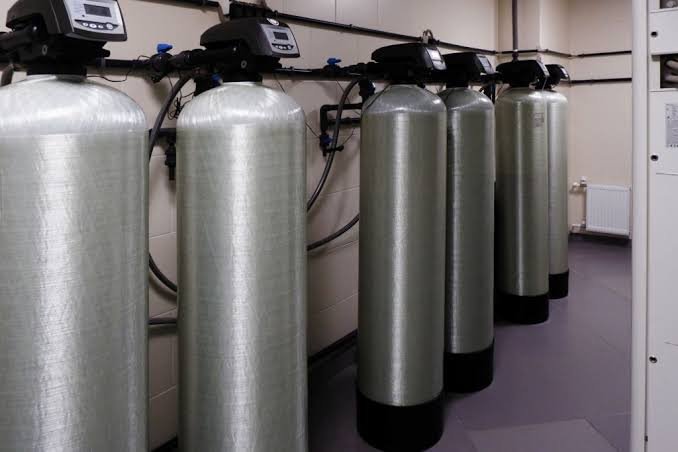
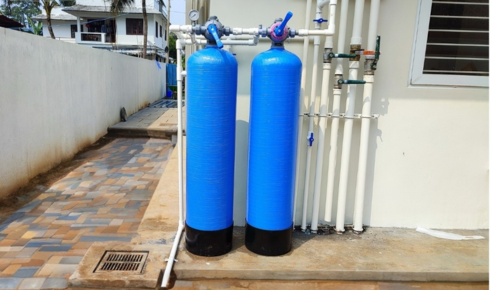
That’s one reason many homeowners begin exploring whole home water treatment systems. Rather than focusing on a single faucet or appliance, these systems address water quality throughout the entire house.
The appeal is simple. Instead of improving water in one location, homeowners can create a more consistent experience across all daily activities.
For many families, that broader approach makes a lot of sense.
Why Hard Water Gets So Much Attention
If you’ve spent any time researching water quality, you’ve probably come across discussions about hard water.
Hard water contains elevated levels of naturally occurring minerals, primarily calcium and magnesium. While these minerals are not necessarily harmful, they can create a variety of household frustrations over time.
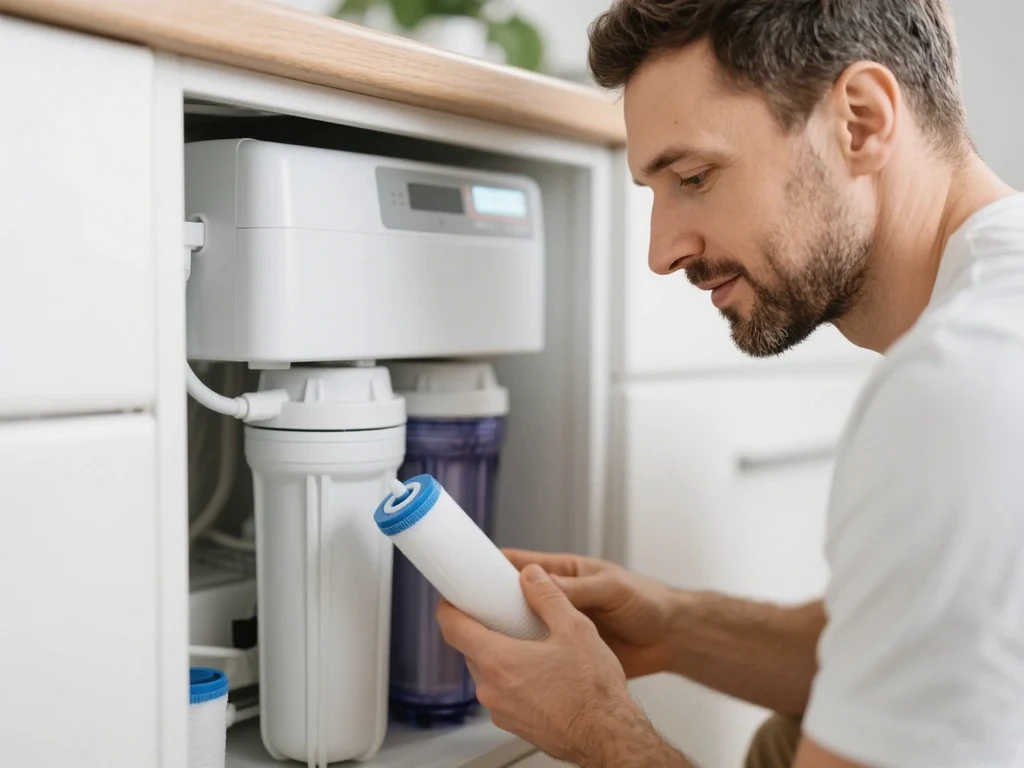
This is where water softeners often enter the conversation. These systems are designed to reduce mineral-related issues that contribute to scale buildup, cloudy dishes, and reduced appliance efficiency.
What’s interesting is that homeowners frequently notice benefits they weren’t even expecting. Towels may feel softer. Cleaning tasks become easier. Water heaters can operate more efficiently.
None of these changes are dramatic on their own, but together they can improve everyday comfort in meaningful ways.
Taking a Broader Approach to Water Quality
Sometimes water challenges extend beyond mineral content alone. Depending on local conditions, homeowners may also encounter sediment, odors, or other water quality concerns.
In situations like these, whole house filtration can provide a more comprehensive strategy. Rather than focusing on a single issue, filtration systems can help address multiple factors affecting water throughout the home.
This broader perspective is becoming increasingly popular because homeowners are beginning to view water quality as a complete household issue rather than a problem limited to drinking water.
After all, water doesn’t only end up in a glass. It touches nearly every aspect of daily life.
The more consistently water performs throughout the home, the more noticeable the overall benefits tend to be.
Better Water Creates Better Everyday Experiences
One of the most surprising aspects of improving water quality is how many small improvements people notice over time.
Coffee tastes better. Showers feel more refreshing. Glassware appears cleaner. Appliances seem to require less maintenance.
These aren’t life-changing transformations. Nobody wakes up one morning and suddenly feels like they’ve entered a completely different world.
Instead, the improvements accumulate gradually.
A little less scrubbing here. Better-tasting beverages there. Fewer maintenance headaches down the road.
Over months and years, those small conveniences can add up to a noticeably better home experience.
The Importance of Making Informed Decisions
With so many treatment options available today, it’s easy to become overwhelmed. Every system promises benefits, and every company claims to have the perfect solution.
The key is understanding your water before making any decisions.
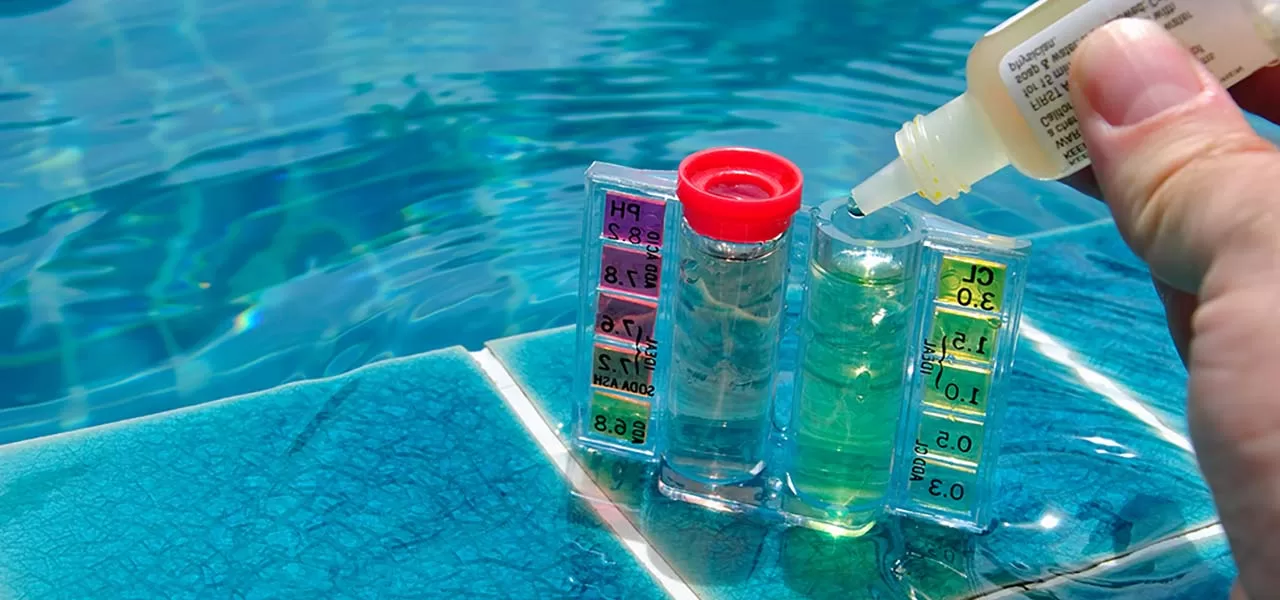
Testing, professional evaluations, and a clear understanding of household needs can help identify which solutions are genuinely worthwhile. Without that information, homeowners may end up spending money on systems that don’t fully address their concerns.
The best water treatment decisions are usually informed decisions.
And informed decisions start with understanding what your water actually needs.
Final Thoughts
Water is one of the most frequently used resources in any home, yet it’s often one of the least understood. Because it quietly supports so many daily activities, its impact is easy to underestimate.
The reality is that water quality influences comfort, convenience, appliance performance, and even long-term household costs. Paying attention to those factors can help homeowners make choices that improve everyday living in practical ways.
Whether you’re noticing mineral buildup, unusual tastes, or simply wondering if your water could be performing better, taking the time to learn more is rarely a wasted effort.
At the end of the day, better water isn’t really about technology or equipment. It’s about creating a home that works a little more smoothly, feels a little more comfortable, and supports the routines that matter most.