We rarely stop to think about water until something changes. Maybe your morning coffee suddenly tastes different. Maybe your ice cubes carry a faint smell, or you notice cloudy water after filling a glass. These little moments have a way of grabbing your attention, reminding you that the quality of the water coming into your home matters more than you probably realized.
Most people assume that buying a filtration system automatically solves every water problem. In reality, the effectiveness of any system depends less on having a fancy-looking unit and more on how the water is treated from beginning to end. Good filtration isn’t a single event—it’s a carefully designed process where every stage has a purpose.
Understanding that process can make choosing the right system far less confusing.
Every Water Source Has Its Own Story
No two homes receive exactly the same water. Even neighbors living a few streets apart can experience differences in mineral content, chlorine levels, sediment, or naturally occurring compounds.
Municipal water treatment plants work incredibly hard to deliver safe water, but water still travels through aging pipelines before reaching your kitchen faucet. Along the journey, tiny particles, rust, and dissolved minerals may influence taste, smell, or appearance.
Private well owners face an entirely different set of challenges. Depending on local geology, groundwater may contain higher concentrations of iron, sulfur, hardness minerals, or sediment.
That’s why understanding your water before buying equipment is one of the smartest decisions you can make.
Why Filtration Works Best in Stages
Imagine trying to clean a muddy hiking boot with only a polishing cloth. It wouldn’t work very well because the larger dirt needs to be removed before the finer cleaning begins.
Water treatment follows a similar philosophy.
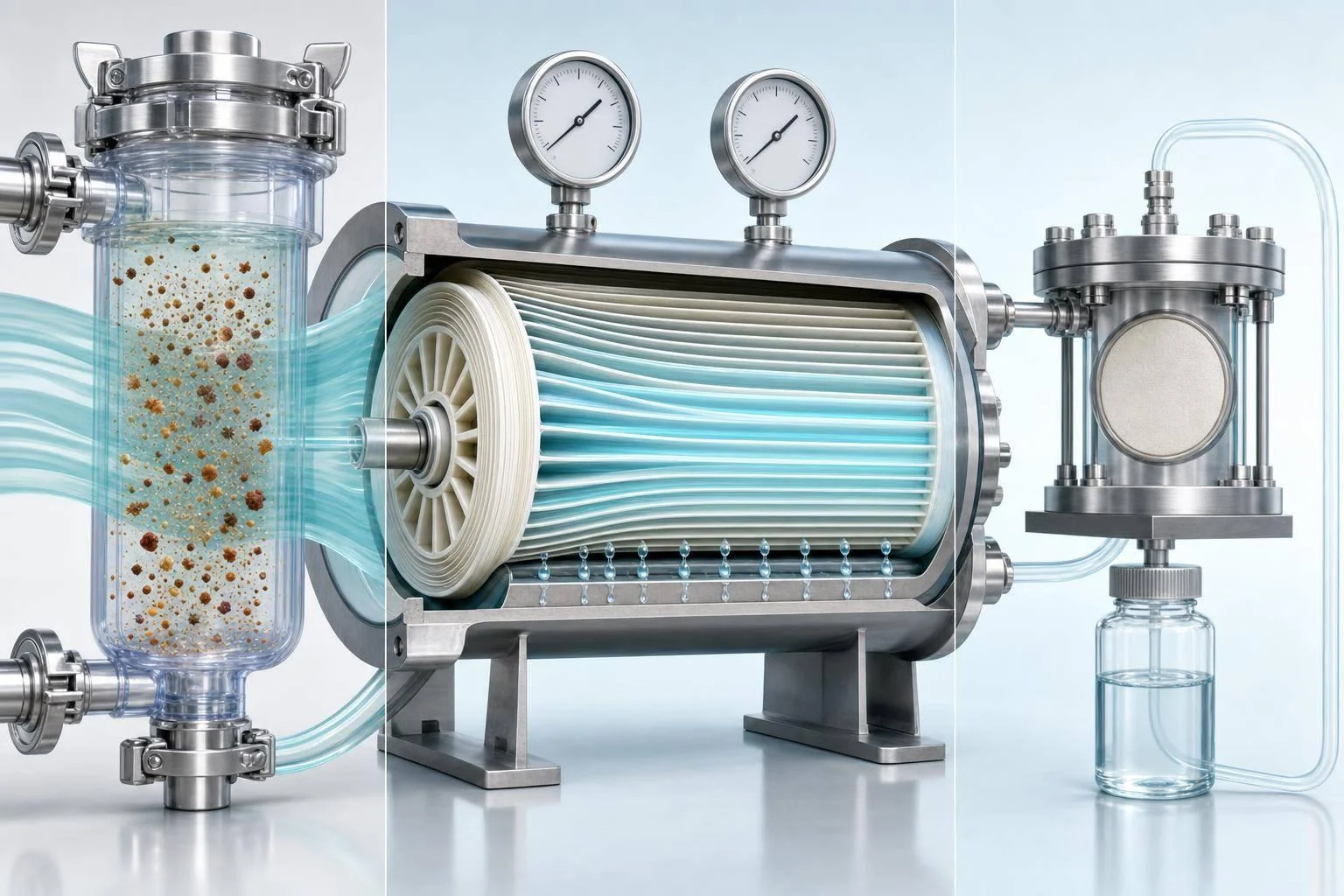
Rather than expecting one filter to remove everything, modern systems often divide the work into several treatment stages. Each stage prepares the water for the next one, improving efficiency while extending the lifespan of the entire system.
This layered approach creates more consistent performance and often delivers noticeably better tasting water.
The Importance of the First Line of Defense
The earliest stage of treatment doesn’t usually receive much attention, yet it’s one of the most valuable.
During pre-filtration, larger particles such as sand, sediment, rust, and debris are removed before the water reaches the more delicate components of the filtration system. This simple step helps prevent unnecessary wear while allowing later stages to operate more efficiently.
Think of it as sweeping the floor before mopping. It may seem basic, but skipping it makes everything afterward more difficult.
Homeowners often underestimate how much difference this first stage can make over the long run.
The Heart of Modern Water Treatment
Once larger particles have been removed, the filtration process becomes much more refined.
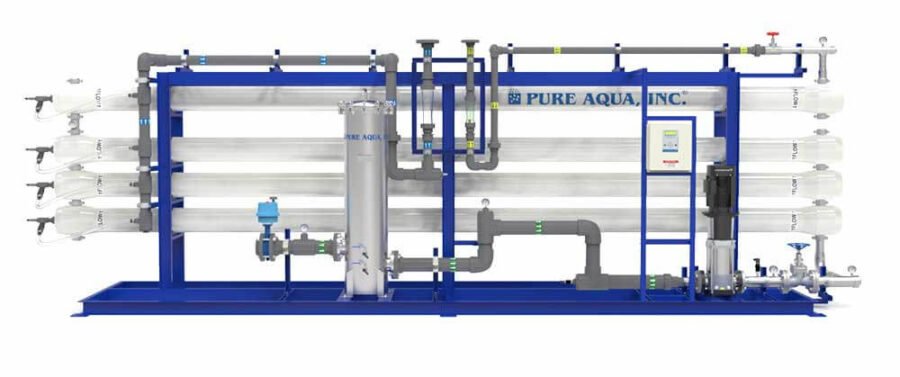
This is where membrane filtration plays a significant role. Specialized membranes are designed with microscopic openings that allow water molecules to pass while reducing many dissolved contaminants and unwanted substances.
Although the technology sounds highly technical, the concept itself is fairly straightforward. The membrane acts as an incredibly selective barrier, helping improve water quality without requiring complicated daily operation from the homeowner.
For families who value cleaner drinking water, this stage often provides the most noticeable improvements in taste and overall clarity.
It’s one of those technologies that quietly works in the background, requiring very little attention while making everyday drinking water noticeably more enjoyable.
Why Taste Matters More Than People Admit
Some people dismiss water taste as a minor issue until they experience genuinely clean water for the first time.
Coffee often develops deeper flavor notes. Tea becomes smoother. Homemade soups, pasta, and even baked goods can benefit from better-quality water because water influences nearly every recipe prepared in the kitchen.
Children may even become more willing to drink water when unpleasant tastes or odors are reduced.
These aren’t dramatic lifestyle transformations—they’re simply small improvements that become part of daily living.
The Final Touch Makes a Difference
Even after multiple treatment stages, many premium filtration systems include one additional finishing step.
A polishing filter serves as the final refinement before water reaches your glass. Its purpose is to remove any remaining traces of taste or odor that may still be present after the primary filtration stages.
This final step helps create water that feels fresh, clean, and enjoyable to drink.
It’s similar to applying the finishing coat on a beautifully painted wall. Most of the work has already been completed, but the final layer creates the polished result people actually notice.
Choosing a System That Fits Your Home
One of the biggest misconceptions about water filtration is that the most expensive system is automatically the best.
That’s rarely true.
The right system depends on several factors, including your local water supply, household size, daily water consumption, maintenance preferences, and long-term budget.
A professional water test often provides far more valuable information than online product reviews because it identifies the specific issues affecting your home’s water.
Once you understand those conditions, selecting an appropriate filtration system becomes much easier and far less overwhelming.
Maintenance Is Part of Good Performance
Even the best-designed filtration system requires occasional maintenance.
Filters eventually become saturated and need replacement according to the manufacturer’s recommendations. Fortunately, modern systems are generally designed with straightforward maintenance in mind.
Replacing filters on schedule helps preserve water quality, protects internal components, and keeps the system operating efficiently year after year.
Ignoring maintenance doesn’t usually cause immediate problems, but over time performance gradually declines.
A few minutes of routine care can make a significant difference in both longevity and water quality.
Cleaner Water Becomes Part of Everyday Life
One interesting thing happens after people install a quality filtration system—they stop thinking about it.
It simply becomes part of daily life.
You fill your reusable bottle before leaving for work. You prepare dinner, brew coffee, wash fresh vegetables, and pour a glass of cold water after a long afternoon. The routine stays exactly the same, but the experience feels a little better.
That’s probably the greatest benefit of modern water filtration.
It’s not about flashy technology or complicated equipment. It’s about creating confidence in something your family uses every single day.
When every stage of the filtration process works together—from removing larger particles at the beginning to refining taste at the very end—you end up with more than cleaner water. You gain consistency, convenience, and the quiet reassurance that something so essential is being handled the right way.
Sometimes the best home improvements aren’t the most visible ones. They’re the upgrades you appreciate every morning, every meal, and every glass of water without even realizing it.