There are some household problems that don’t look serious at first. A few white spots on the dishes. A crusty showerhead. Soap that seems to disappear without making much of a lather. Then one day you realize you’re scrubbing the same mineral stains again—and again.
For many homes, the common thread is hard water.
Hard water is a natural result of minerals dissolving into groundwater as it moves through soil and rock. It isn’t necessarily something to panic about, but it can certainly make household chores more frustrating and contribute to scale inside plumbing and appliances.
The good news is that once you understand the problem, there are practical ways to manage it.
What Exactly Is Hard Water?
Hard water contains elevated levels of dissolved calcium and magnesium. These naturally occurring minerals are picked up as water travels through underground rock formations.
The water may look perfectly normal in a glass. You might not even notice anything unusual when you drink it. The clues often appear elsewhere: on faucets, shower doors, dishes, laundry, and appliances.
Over time, mineral deposits can build up on surfaces and inside water-using equipment. A water heater, for instance, may develop scale that affects its efficiency and performance.
This is one reason homeowners often look into water softeners when hard water becomes a persistent nuisance.
The Everyday Signs of Hard Water
You don’t need complicated equipment to notice some signs of hard water.
White or cloudy spots on freshly washed glasses are common. You might also see chalky buildup around faucets and showerheads. Soap scum can become more stubborn, and your skin may feel unusually dry after bathing.
Laundry can be affected too. Clothes may feel less soft, colors can appear dull, and detergent may not work quite the way you’re used to.
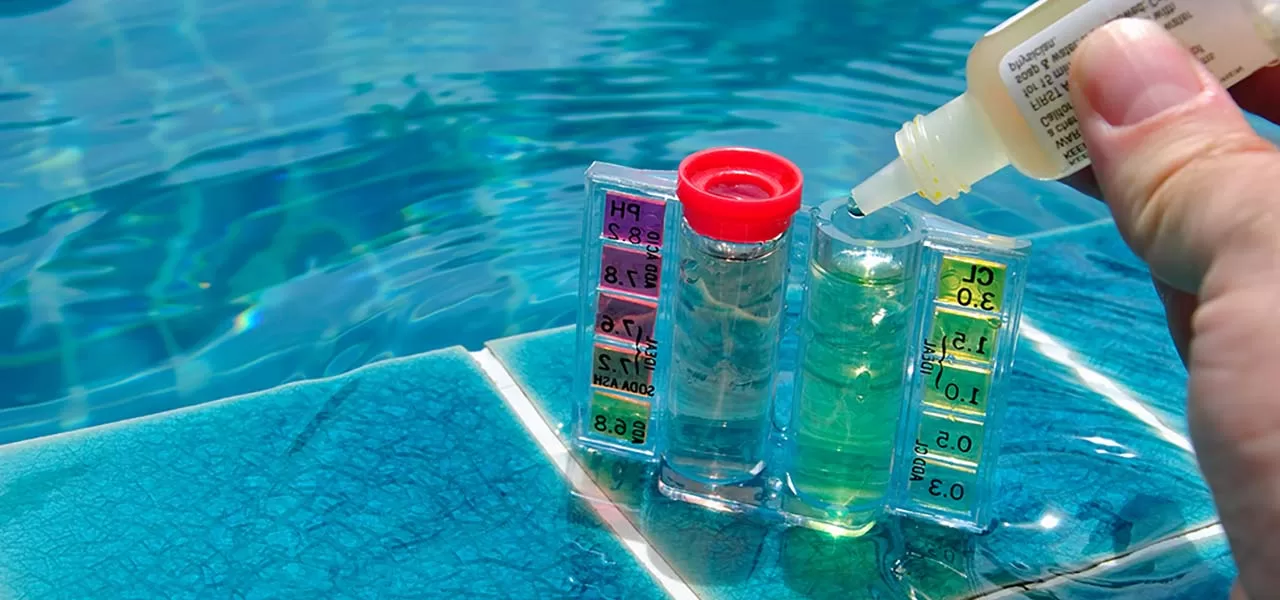
None of these signs alone proves that your water is hard, of course. Testing is the better way to confirm what’s happening.
Understanding Hard Water Minerals
The main hard water minerals homeowners usually hear about are calcium and magnesium. They’re naturally occurring substances, and their presence varies depending on the local water source and geology.
The important thing is concentration. Water with a small amount of these minerals may cause few noticeable problems. Higher levels are more likely to produce scale and other household inconveniences.
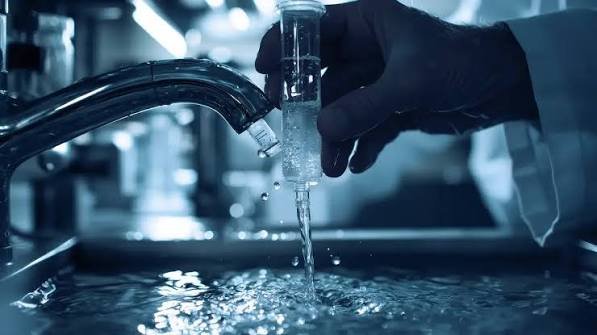
Testing your water can provide a clearer picture of hardness. Once you know the level, you can decide whether treatment is worthwhile and what kind of system might be appropriate.
It’s always better to start with facts than assumptions.
How Water Softeners Work
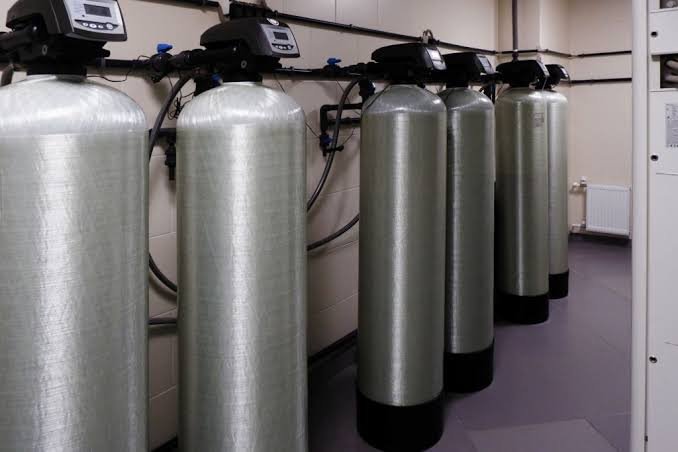
A traditional water softener generally uses a process called ion exchange. In simple terms, the system exchanges calcium and magnesium ions for sodium or, in some cases, potassium ions.
The treated water contains fewer hardness minerals, which can reduce the tendency for scale to form.
For homeowners, the difference can be surprisingly noticeable. Faucets may stay cleaner for longer. Shower doors may require less scrubbing. Soap can lather more easily, and appliances may experience less mineral buildup.
Still, softening isn’t the answer to every water-quality concern. A softener is primarily intended to address hardness, not contaminants such as bacteria or every type of dissolved substance.
Choosing the Right Water Softener System
If testing confirms that hardness is an issue, the next question is which equipment makes sense.
Modern water softener systems come in different sizes and configurations. The right choice depends on factors such as household size, water consumption, hardness level, flow rate, available installation space, and regeneration requirements.
A system that’s too small may struggle to keep up with demand. An unnecessarily large system can cost more without providing meaningful additional value.
A professional assessment can help with sizing and installation, especially when water usage is high or the plumbing setup is complicated.
Salt-Based and Alternative Options
Traditional salt-based softeners are widely used because ion exchange is an established method for reducing hardness. They do, however, require salt replenishment and routine maintenance.
There are also alternative technologies marketed for scale control or water conditioning. These systems don’t necessarily work in the same way as conventional softeners, so it’s important to understand what the product is actually designed to accomplish.
If the main goal is reducing calcium and magnesium from water, make sure the system you choose is genuinely designed for that purpose.
Marketing terms can sometimes make different technologies sound more similar than they really are.
Protecting Appliances and Plumbing
Hard water doesn’t just create cosmetic problems. Mineral scale can accumulate inside water heaters, dishwashers, washing machines, coffee makers, and plumbing fixtures.
Reducing hardness may help limit that buildup, potentially making maintenance easier and supporting the performance of water-using equipment.
However, water treatment should be considered part of an overall maintenance routine. It won’t eliminate the need to clean appliances or inspect plumbing.
Think of it as reducing one source of trouble rather than solving every household problem at once.
Maintenance Shouldn’t Be an Afterthought
A softener needs attention to work properly.
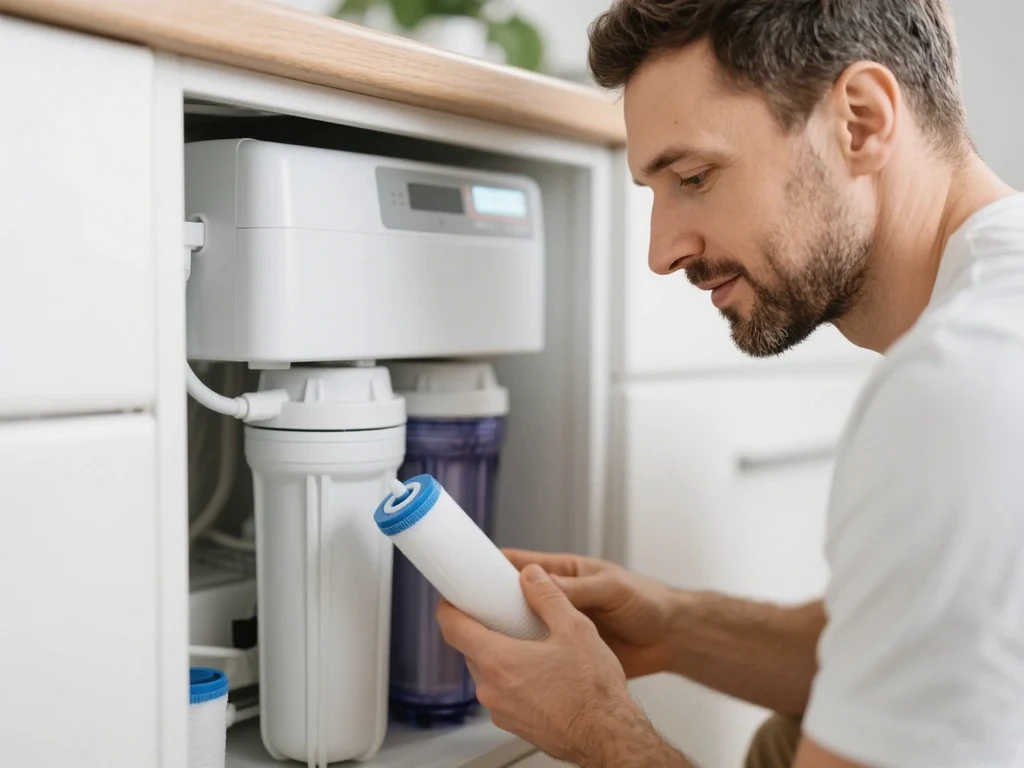
Depending on the system, homeowners may need to add salt, clean components, check settings, or schedule professional service. Some systems use sensors or automatic controls to manage regeneration, but even those benefit from occasional inspection.
Keep an eye on water quality and system performance. If scale suddenly returns or the system behaves differently, don’t ignore it.
Sometimes the issue is simple, such as an empty salt tank. Other times, a component may need attention.
Is a Water Softener Right for Your Home?
Not every household needs one.
If your water hardness is low and you aren’t experiencing scale or other related problems, installing a softener may offer little practical benefit. On the other hand, significant hardness can make a properly selected system a worthwhile investment.
Start by testing your water. Look at your household’s actual needs. Consider installation and ongoing maintenance costs, and ask questions before choosing equipment.
There’s no reason to buy more technology than your home requires.
A Simpler Approach to Better Water
Hard water is common, but living with constant mineral buildup doesn’t have to be your only option.
Understanding the cause is the first step. Test the water, identify the hardness level, and then consider whether softening makes sense for your household. If it does, choose equipment that’s properly sized and maintain it consistently.
The best water treatment system isn’t necessarily the biggest, newest, or most expensive one. It’s the one that quietly solves the problem you actually have.
And honestly, there’s something satisfying about turning on the shower, washing a glass, or making a cup of coffee without thinking about mineral buildup. Sometimes a small improvement in the water running through your home can make everyday life feel just a little easier.