Most people expect water from the tap to be clean, clear, and ready to use. You turn on the faucet to fill a glass, make coffee, or rinse vegetables, and you don’t expect anything unusual. But sometimes little things begin to change. The water smells different, a glass looks cloudy, or the first sip of tea has a flavor that wasn’t there last week. These changes can be frustrating, especially when you aren’t sure what’s causing them.
Water quality problems don’t all look alike, and the same symptom can have several possible explanations. Rather than immediately buying a filter or assuming the water is unsafe, it helps to look at the signs, understand what they might mean, and choose the next step carefully.
When Water Smells or Tastes Different
One of the most common complaints from households connected to a public water supply is chlorine taste and odor. Chlorine is used in many municipal systems to disinfect water and help control harmful microorganisms as water travels through distribution pipes. Its presence can be part of normal water treatment, although some people notice its smell or flavor more strongly than others.
A faint swimming-pool-like smell may be more noticeable when filling a glass or taking a hot shower. The intensity can vary depending on local treatment practices, water temperature, and the plumbing in your home. However, a sudden or unusually strong change deserves attention rather than an automatic assumption that chlorine is responsible.
Start by checking whether the issue affects every tap or just one. If only one faucet has an unusual smell, the fixture or local plumbing may be involved. If the change affects the whole property, contact your water supplier to ask whether there has been recent maintenance or a change in treatment. If the water smells like fuel, solvents, or another unfamiliar chemical, don’t drink it until the concern has been investigated.
For households mainly concerned about chlorine taste, an appropriately certified activated carbon filter may help. The key is to choose a product whose tested performance matches the issue, rather than relying on broad promises printed on the packaging.
Understanding Cloudiness and Visible Particles
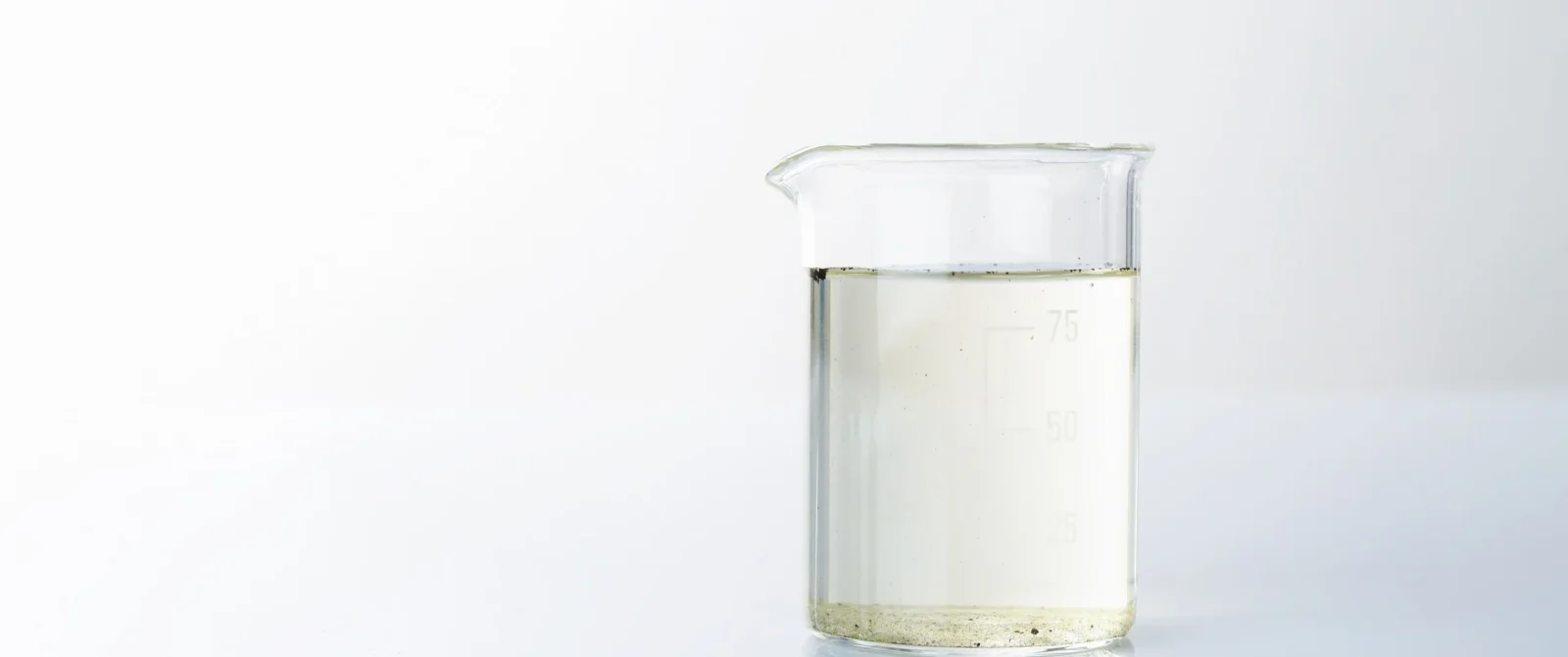
Water that looks milky or contains tiny floating particles can be worrying, particularly when it appears without warning. Sediment or cloudy water may result from several different causes, including trapped air bubbles, disturbed mineral deposits, rust particles, or sediment entering the plumbing from the supply.
A simple observation can sometimes offer a clue. If cloudy water becomes clear after standing in a glass for a short time, tiny air bubbles may be responsible. If particles settle at the bottom, or the water has a brown, reddish, or unusual color, sediment or corrosion could be involved. These observations are useful, but they cannot confirm whether the water is safe to drink.
Think about when the problem began. Did nearby water mains undergo maintenance? Has the home recently had plumbing work? Does the cloudiness appear at every tap or only at one? These details can help narrow down the possible source.
If discoloration continues, contact your water provider or a qualified plumber, depending on where the problem appears to originate. Homes using private wells may need water testing and inspection of the well and associated equipment. A sediment filter can capture many suspended particles, but it won’t necessarily remove dissolved chemicals, bacteria, or other contaminants that aren’t visible.
Why Water Can Have an Unusual Chemical Flavor
Sometimes the water looks completely normal, yet it tastes bitter, metallic, salty, or simply unfamiliar. Chemical taste in drinking water can have several possible explanations. Chlorine may be noticeable, minerals can affect flavor, and plumbing materials may contribute metallic notes in certain circumstances. Other causes require more careful investigation.
Don’t assume that an unusual flavor always indicates a dangerous contaminant—or that normal-tasting water is automatically safe. Many substances cannot be detected reliably by taste, smell, or appearance. If the change is sudden, persistent, or strongly resembles a chemical product, stop using the water for drinking and cooking until you receive appropriate guidance.
If you use municipal water, contact the supplier and ask whether any recent changes or reported issues could explain the taste. If you rely on a private well, arrange testing through a qualified laboratory. The right tests depend on the water source, the location, and any known concerns in the surrounding area.
Avoid repeatedly tasting the water to determine whether the problem has improved. When a chemical contamination concern is possible, testing and professional advice are more useful than relying on your senses.
Choosing Filtration Based on the Actual Problem
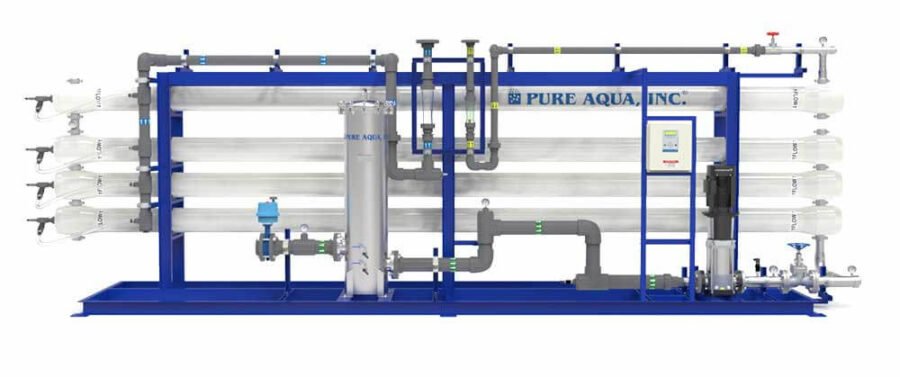
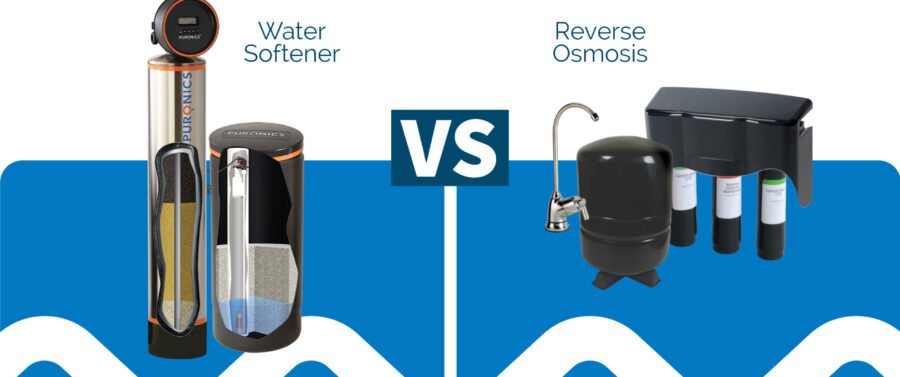
Water filters are designed to address different concerns, so choosing one starts with identifying what needs to change. Activated carbon systems can reduce chlorine taste and odor and may target other substances when specifically certified to do so. Sediment filters are intended to capture suspended particles such as sand, silt, and rust. Reverse osmosis systems can reduce certain dissolved substances, depending on their design and verified performance.
No single filter removes everything. A product that improves taste may not disinfect water, while a sediment cartridge may do little to change dissolved mineral content. This is why water testing can be valuable before investing in a system.
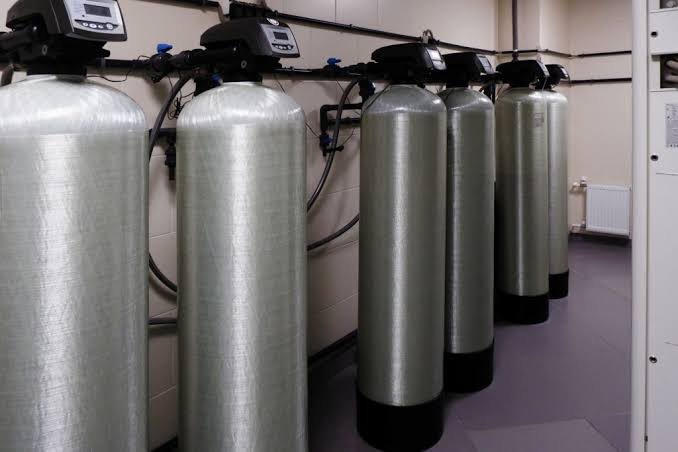
Consider whether you need treatment at one tap or throughout the home. A small under-sink unit may be practical when drinking-water taste is the main concern. A whole-home system may make more sense when a confirmed issue affects multiple outlets. In either case, check the system’s performance certification, flow requirements, installation needs, and replacement schedule.
The ongoing costs deserve attention, too. Filters require replacement, and some systems need periodic servicing or additional components. A lower purchase price may not mean a lower long-term cost if cartridges are difficult to source or need frequent changes.
Don’t Forget Your Plumbing
Not every water quality concern begins at the treatment plant or well. Household pipes, faucets, and fixtures can influence what comes out of the tap. Older plumbing may contribute corrosion-related particles or metallic tastes, while a rarely used outlet may behave differently from one used throughout the day.
If a problem appears at only one faucet, compare it with another outlet before assuming the entire supply is affected. Persistent changes may call for a plumbing inspection, especially if the property has older pipes or the issue began after repairs.
Regular maintenance also helps. Clean faucet aerators according to the manufacturer’s guidance, replace filter cartridges on schedule, and follow any flushing instructions after installing new equipment. These small tasks can help maintain performance, though they aren’t a substitute for investigating a genuine water safety concern.
A Sensible Way to Protect Your Household
Changes in water deserve attention, but they don’t always mean the same thing. A chlorine-like smell, visible particles, and an unfamiliar taste each point toward different possibilities. Paying attention to when the change occurs, checking whether it affects one tap or the entire property, and contacting the appropriate professional can help you avoid unnecessary purchases.
When safety is uncertain, use reliable testing and advice from your water supplier, a qualified laboratory, or a water treatment professional. Select filtration equipment based on confirmed needs, not fear or guesswork, and keep it maintained once installed.
Water is part of nearly everything we do at home. Understanding the signs of changing water quality makes it easier to respond calmly, choose sensible solutions, and feel more confident about the water your household uses every day.