Clean water is something most of us barely think about until it tastes strange, smells odd, or leaves a stubborn white film around the sink. We turn on the tap, fill a glass, and expect the water to be fine. But water quality can vary dramatically from one home to another, even within the same neighborhood.
That’s why choosing a filter shouldn’t begin with picking the most expensive system on the shelf. It should begin with understanding the problem.
Different water sources carry different contaminants, and not every filtration system is designed to handle every issue. A little knowledge about your water can save money, prevent unnecessary maintenance, and, most importantly, help you choose a solution that actually works.
Start With the Water, Not the Filter
It’s tempting to buy a filter based on a recommendation from a friend. Maybe their system made a noticeable difference, so naturally you wonder if it’ll do the same for you. Sometimes it will. Sometimes, not so much.
Water problems can include chlorine taste, sediment, unpleasant odors, hardness, iron, manganese, heavy metals, or other unwanted substances. The right treatment depends on what’s actually present.
A basic carbon filter, for example, can be useful for improving taste and reducing chlorine, while other problems may require different technologies. This is where targeted filtration for specific water problems becomes important. Instead of treating every home as though it has the same water quality, targeted filtration focuses on the contaminants that genuinely need attention.
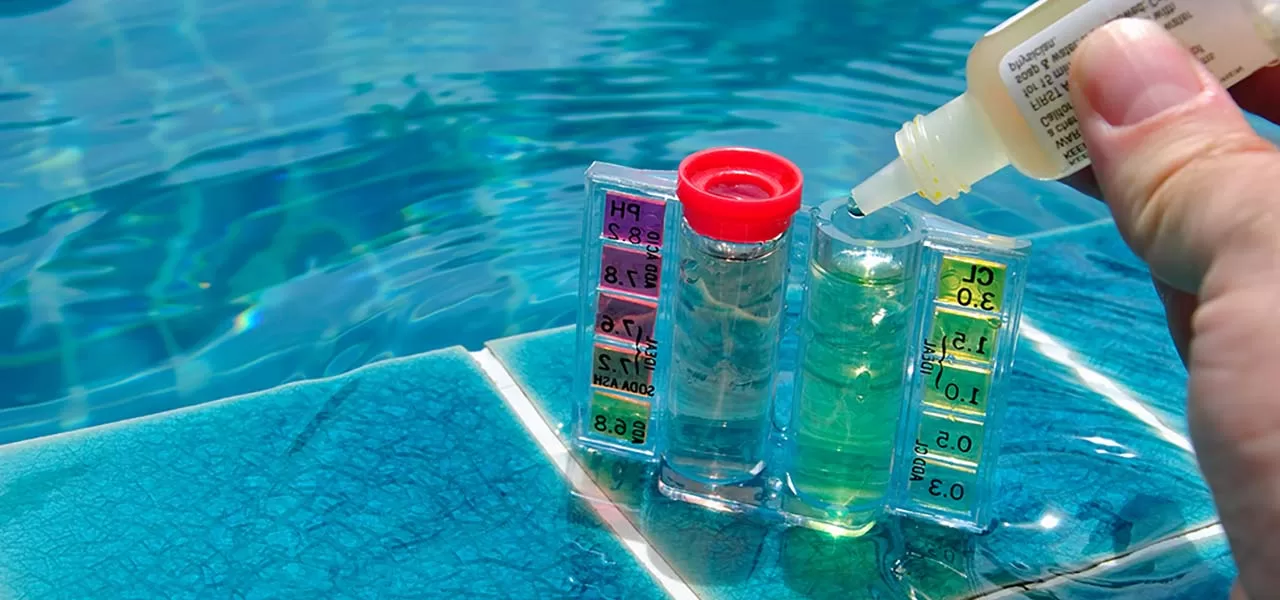
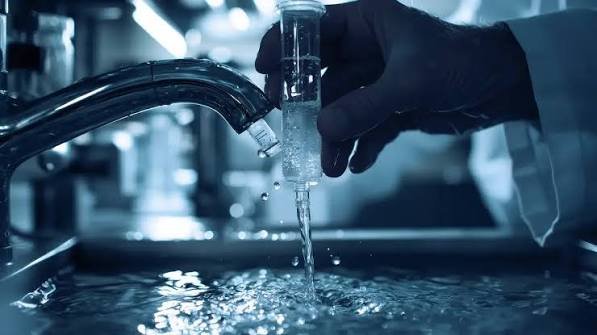
Testing your water is a sensible first step. It gives you something more useful than guesswork.
Why Water Source Matters
The source of your household water can tell you quite a bit about what you might need to address.
Homes connected to a public supply generally receive treated water, but that doesn’t mean the water is identical at every tap. Treatment methods, distribution pipes, building plumbing, and local conditions can all influence the final water quality.
Private wells are a different story. Well water can contain naturally occurring minerals and other substances picked up as groundwater moves through soil and rock. Hardness, iron, sulfur-related odors, and sediment are common concerns in some well-water areas.
Understanding the difference between municipal and well water helps homeowners think more realistically about filtration. The same system that works beautifully for one water source may be poorly suited to another.
And honestly, that’s one of the biggest mistakes people make: assuming a filter is a universal fix.
Specialty Filters Can Solve Specific Problems
Not every filtration system needs to do everything. In fact, trying to make one filter handle every possible contaminant can sometimes be unnecessary and expensive.
This is where specialty water filters can be useful. These systems are designed around particular water-quality concerns, allowing homeowners to address an issue without completely overhauling their plumbing.
For instance, activated carbon filtration is commonly used to improve taste and reduce chlorine. Sediment filters can capture particles such as sand, rust, and dirt. Other technologies are designed for particular dissolved contaminants or mineral-related problems.
The key is matching the technology to the contaminant.
Think of it like choosing a tool from a toolbox. You wouldn’t use a screwdriver to hammer a nail just because it happens to be sitting nearby. Water filtration works much the same way.
Whole-Home or Drinking-Water Filtration?
Another important decision is where filtration should happen.
A point-of-use system treats water at a particular location, such as the kitchen faucet. This can make sense when your primary concern is drinking and cooking water.
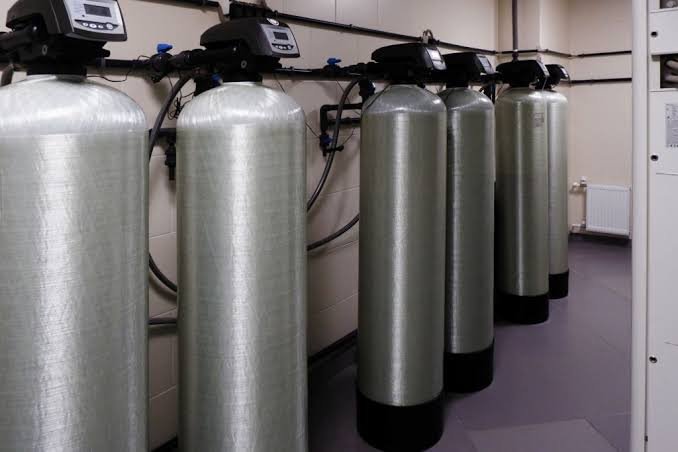
Whole-home filtration, on the other hand, treats water as it enters the property. That means showers, bathroom faucets, laundry, and other fixtures can also benefit from treatment.
Neither option is automatically better. It depends on the water problem and what you want to accomplish.
If the concern is mainly taste in drinking water, a kitchen-based system may be perfectly adequate. If sediment or another issue affects the entire home’s water supply, treating water at the point of entry may make more sense.
The best approach is usually the simplest one that properly addresses the problem.
Don’t Forget About Hard Water
Hard water deserves special attention because it isn’t necessarily something a standard filter is designed to fix.
Hardness is primarily associated with dissolved calcium and magnesium. You may notice it through scale on faucets, spots on glassware, reduced soap performance, or a rough feeling after showering.
A conventional sediment or carbon filter won’t generally solve hardness. Water softening is a different treatment approach, typically involving ion exchange or other technologies designed specifically for hardness reduction.
This distinction matters because homeowners sometimes buy a filter expecting softer water and then wonder why the scale keeps returning.
If hard water is the issue, choose equipment designed for hard water rather than hoping a general-purpose filter will somehow do the job.
Maintenance Is Part of the Solution
Even a high-quality filtration system needs attention.
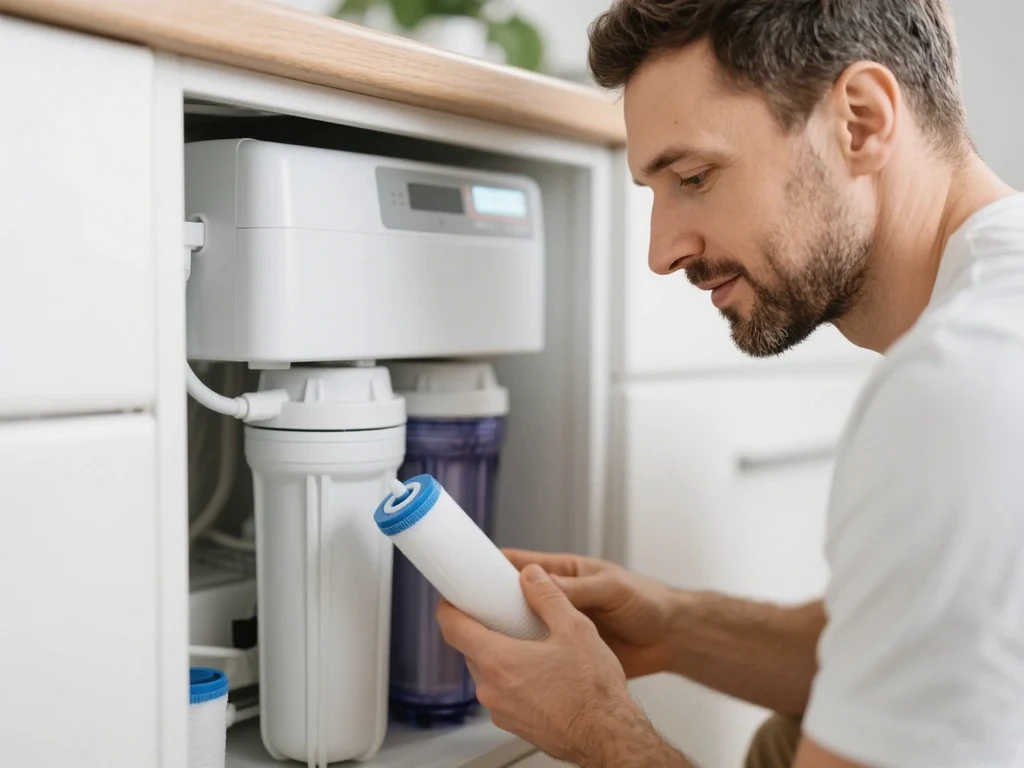
Filters eventually become loaded with the material they’re designed to capture. Depending on the system, cartridges may need replacement, media may require servicing, and equipment should occasionally be inspected.
Ignoring maintenance can reduce performance and may create new problems. A filter that hasn’t been serviced for too long isn’t exactly something you want to rely on for your family’s water.
Before buying a system, find out how often components need to be changed and what ongoing maintenance costs look like. A cheaper system isn’t necessarily cheaper over several years if replacement parts are expensive or difficult to find.
It’s a small detail, but it can make a big difference.
Better Filtration Starts With Better Information
There’s no shortage of water filters available today. Some are simple countertop units, while others are sophisticated whole-home systems. With so many choices, it’s easy to get caught up in features, brand names, and marketing claims.
But water treatment doesn’t have to be complicated.
Start with your water source. Test for the contaminants that matter. Identify whether the problem affects the entire home or only drinking water. Then choose a treatment method designed for that specific concern.
A filter should solve a problem, not simply sit under the sink because it looked impressive online.
In the end, good water treatment is less about buying the biggest system and more about making an informed decision. When you understand what’s actually in your water, filtration becomes much less of a guessing game—and a lot more practical. That’s a worthwhile investment for any home.