There’s something comforting about filling a glass straight from the kitchen tap without giving it a second thought. Water is part of our everyday routine, from making morning tea to washing vegetables before dinner. Yet when it starts tasting unusual, leaves stubborn marks on the sink, or develops an unpleasant smell, that everyday confidence can disappear pretty quickly.
The thing is, not every water problem looks the same, and there’s no single filter that can fix them all. Some households struggle with hard water, others need to address dissolved contaminants, and some rely on private wells where microbial safety deserves extra attention. Understanding these differences makes choosing the right treatment equipment far less confusing.
Start With What’s Actually in Your Water
Before spending money on a filtration unit, find out what you’re dealing with. Water can contain dissolved minerals, suspended particles, metals, chemicals, or microorganisms, depending on its source and the plumbing it travels through.
Municipal water is generally treated and monitored, but that doesn’t mean household plumbing can be ignored. Older pipes, storage tanks, and fixtures may affect water quality after it leaves the treatment facility. Private wells require particular attention because groundwater conditions can change with rainfall, nearby land use, and local geology.
Testing is the most useful starting point. If you’re connected to a public supply, review your provider’s water quality report. If you use a private well, arrange laboratory testing for relevant contaminants, including bacteria and nitrates. Depending on your location, testing for arsenic, iron, manganese, or other substances may also be appropriate.
Don’t rely on taste or appearance alone. Clear water can contain contaminants you can’t see, while white deposits may simply indicate mineral hardness. A reliable test helps separate genuine concerns from ordinary annoyances, which is important when treatment equipment can be a significant investment.
When Reverse Osmosis Makes a Difference
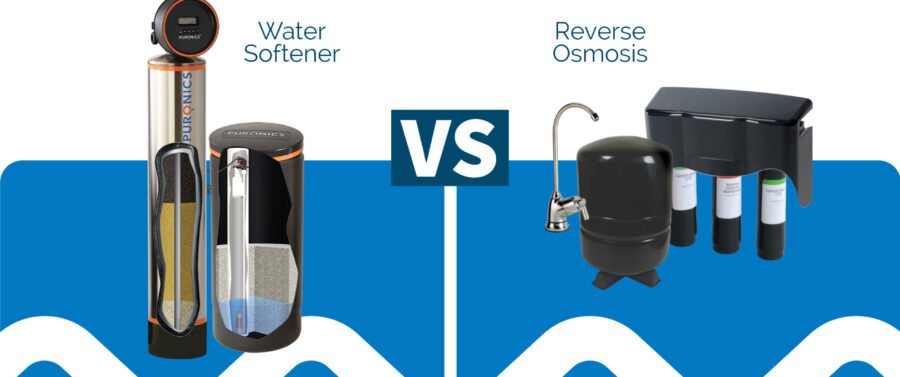
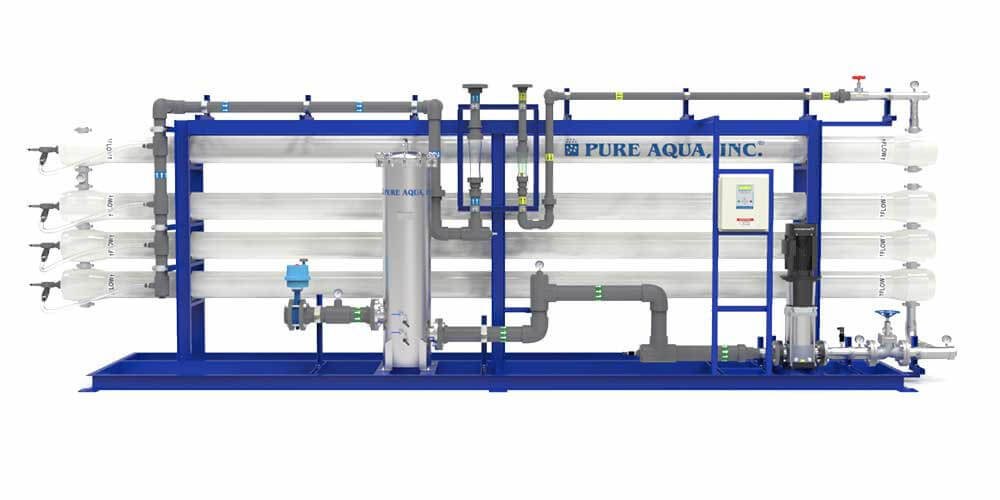
For households concerned about certain dissolved substances in drinking water, reverse osmosis systems can be a useful option. These units use pressure to push water through a semipermeable membrane, reducing many dissolved contaminants while allowing treated water to pass through.
Most residential models fit beneath the kitchen sink and use several treatment stages. Sediment filters capture particles, activated carbon filters reduce selected chemicals and improve taste, and the membrane handles many dissolved substances that ordinary filters may leave behind.
This combination can be particularly useful when water testing identifies contaminants such as certain dissolved metals or salts. However, the exact reduction depends on the equipment, its condition, and the substance being targeted. Look for independently verified performance claims rather than assuming every reverse osmosis unit works equally well.
There are practical considerations, too. Conventional systems produce wastewater during treatment, although some newer models are designed to use water more efficiently. Filters and membranes also require replacement, and neglecting maintenance can affect performance.
Another point worth considering is mineral content. Reverse osmosis removes many dissolved minerals along with unwanted substances. Some units include a remineralization stage, but the main priority should always be whether the system reliably addresses the contaminants identified in your water.
If your only concern is a mild chlorine taste, a simpler carbon filter may do the job. Reverse osmosis is most useful when its additional treatment capability is actually needed.
Understanding UV Purification and Sanitization
Not every water quality issue involves chemicals or minerals. Microorganisms can also pose a concern, especially in private wells or supplies that haven’t been adequately protected.
uv purification & sanitization refers to treatment approaches that use ultraviolet light to inactivate susceptible microorganisms. UV energy damages their genetic material, making it difficult or impossible for them to reproduce effectively. When a system is correctly selected, installed, and maintained, it can provide an important layer of microbial protection.
One advantage is that UV treatment doesn’t normally add disinfecting chemicals or noticeably change the taste of water. For households that rely on groundwater, this can be appealing when testing indicates a need for additional microbial control.
Still, UV isn’t a complete purification solution on its own. It doesn’t remove dissolved metals, pesticides, salts, or excess minerals. Water also needs to be sufficiently clear for the light to work effectively, so sediment filtration may be necessary beforehand.
Maintenance shouldn’t be overlooked. UV lamps have a limited service life, and protective sleeves need cleaning to prevent deposits from reducing light transmission. A system that’s switched on but poorly maintained may not deliver the expected level of protection.
If a well tests positive for harmful bacteria, investigate the source of contamination as well. Damaged well components, surface runoff, or nearby pollution may be contributing factors. Treating the water is important, but preventing contamination from recurring matters just as much.
Whole-House Filtration for Everyday Convenience
Sometimes, the problem isn’t limited to the water you drink. You might notice sediment at several taps, an unpleasant chlorine smell in the shower, or particles collecting in appliance screens.
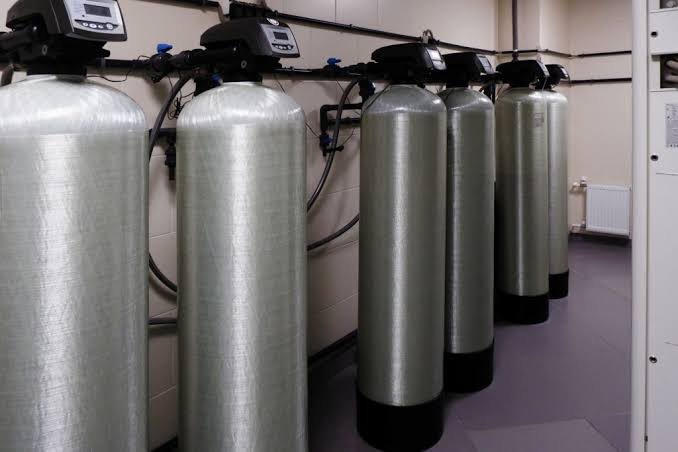
A whole-house filtration unit treats water as it enters the property, supplying treated water to multiple fixtures. Depending on the media used, it may reduce sediment, chlorine, and certain other substances. This can be convenient when a particular issue affects the entire household rather than one drinking-water tap.
However, whole-house filters vary widely. A sediment cartridge isn’t designed to remove every dissolved contaminant, and activated carbon doesn’t automatically make microbiologically unsafe water safe to drink.
The best choice depends on your water analysis, the flow rate your household needs, and the specific contaminants the system is intended to reduce. For a home with heavy sediment, prefiltration may be useful. For a supply with excessive hardness, a water softener may be more appropriate than a standard filter.
What About Hard Water and pH?
Hard water contains elevated levels of calcium and magnesium. Over time, these minerals can leave scale on faucets, reduce soap lather, and build up inside water heaters. A conventional water softener can reduce hardness through ion exchange, helping protect plumbing and appliances from scale.
Water pH is another factor to consider. Water that’s too acidic may contribute to corrosion in susceptible plumbing, potentially increasing the release of metals. Certain high-pH conditions can affect taste or encourage deposits, although pH alone doesn’t explain every water chemistry problem.
Treatment should follow testing rather than assumptions. A softener won’t remove every contaminant, and a pH adjustment system won’t necessarily address bacteria or dissolved chemicals. Each technology has a specific role.
Choosing a System You Can Maintain
A water treatment system should fit your household’s needs without becoming a constant source of expense or frustration. When comparing products, check certification, contaminant reduction claims, replacement schedules, installation requirements, and long-term operating costs.
Think about daily use as well. A small under-sink unit might suit a couple who mainly need drinking water, while a larger household may require greater capacity. If the equipment involves plumbing changes or specialized installation, professional help can prevent avoidable problems.
Maintenance is part of the bargain. Replace filters when recommended, service UV equipment as instructed, and arrange repeat testing when appropriate, particularly for private wells. Keep records of test results and service dates so you can spot changes before they become bigger issues.
Making a Confident Choice
Better water doesn’t always require a complicated setup. Sometimes, one well-chosen filter is enough. In other homes, reverse osmosis, UV treatment, softening, or several complementary technologies may be necessary.
The sensible approach is to test first, understand the results, and choose equipment that addresses the actual concern. Be wary of sweeping promises that one product can remove everything or make any water source completely safe without further checks.
Water is too important to leave to guesswork. With reliable testing, realistic expectations, and a little regular maintenance, you can make a thoughtful investment in your home’s water quality and feel more confident about the water flowing from your tap every day.