If you’ve ever noticed white residue on your faucets, spots on freshly washed glasses, or an unusual taste in your drinking water, you’ve probably wondered whether a water treatment system could help. The tricky part is figuring out which one you actually need. Reverse osmosis systems and water softeners are both popular options, but they solve different problems. Choosing the wrong one can mean spending money without getting the results you expected.
The good news is that understanding the difference doesn’t require a background in water chemistry. Once you know what each system does, what it cannot do, and how your home’s water supply affects the decision, the choice becomes much clearer.
Understanding the Difference Between the Two Systems
A water softener is designed primarily to address hard water. Hardness comes from dissolved minerals, especially calcium and magnesium, which can build up inside pipes, water heaters, showerheads, and household appliances. These minerals may also leave spots on dishes and make soap less effective.
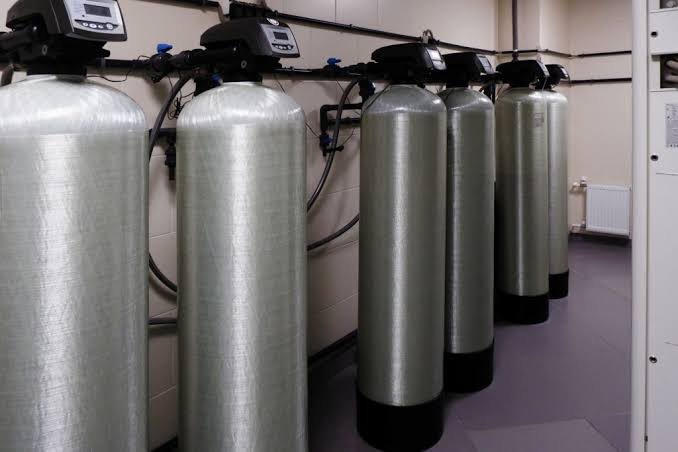
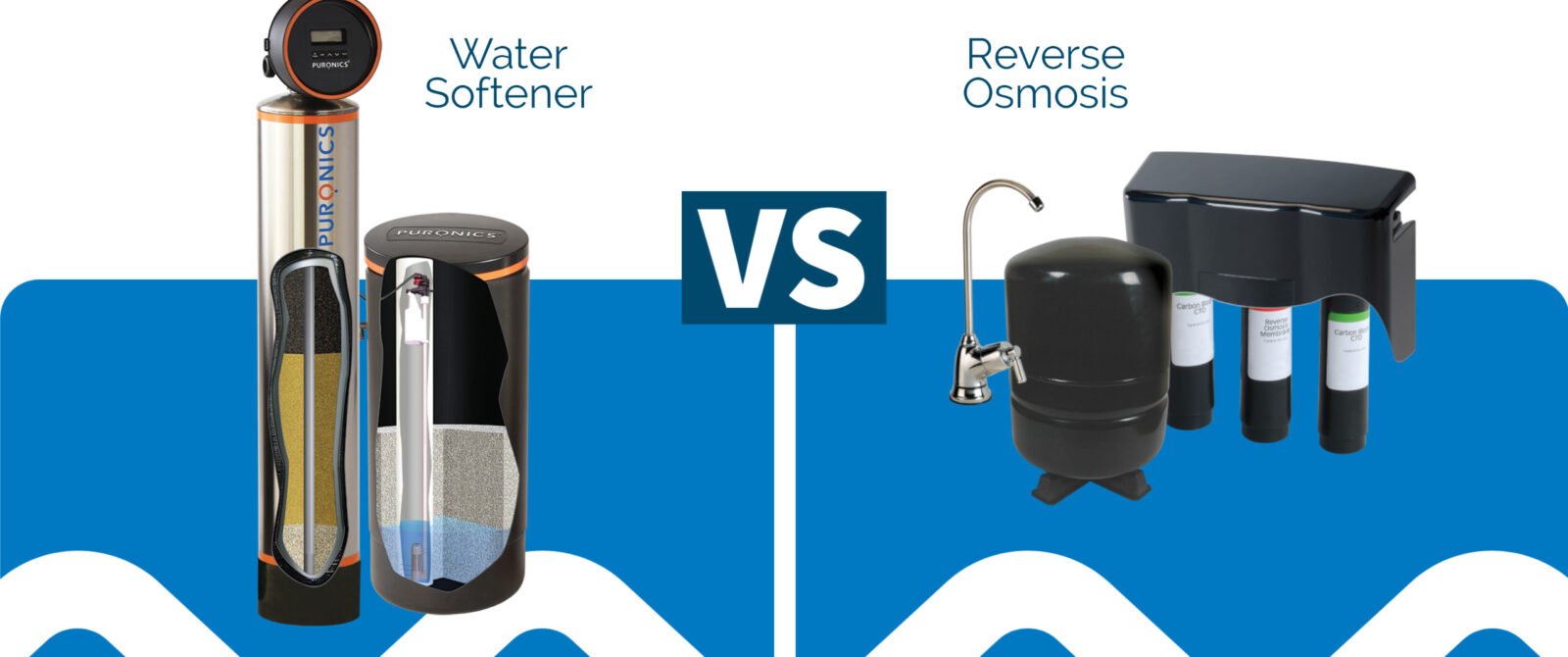
Most conventional water softeners use a process called ion exchange. Water passes through resin beads that capture calcium and magnesium ions and release other ions, commonly sodium. The resin eventually needs regeneration with a salt solution so the system can continue working.
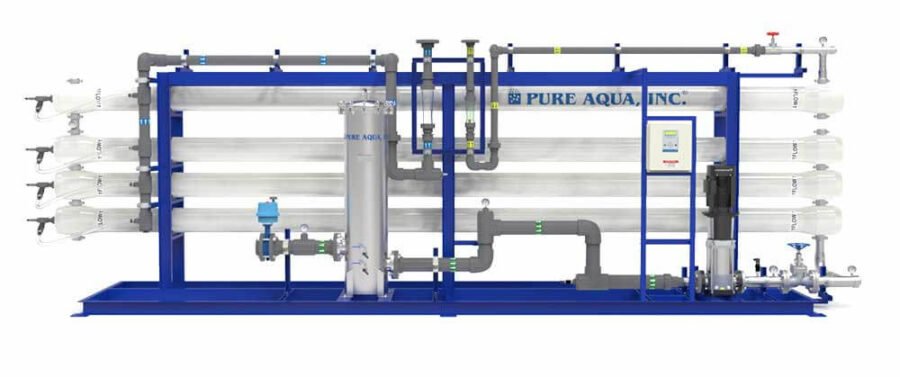
Reverse osmosis works differently. It pushes water through a semipermeable membrane that reduces many dissolved substances. Depending on the system and its performance, these may include certain salts, metals, and other contaminants. Reverse osmosis is commonly installed beneath a kitchen sink to provide treated water for drinking and cooking.
Put simply, a softener focuses on hardness throughout the plumbing, while reverse osmosis is often used to improve water quality at a particular tap. Neither system automatically removes every unwanted substance, so testing remains an important first step.
Reverse Osmosis vs. Water Softener: Which Is Better?
When comparing reverse osmosis vs. water softener, it helps to stop thinking in terms of which technology is better overall. The more useful question is which problem you’re trying to solve.
If your main concern is mineral buildup on faucets, soap scum in the shower, or scale inside a water heater, a water softener may be the more appropriate choice. It treats water as it enters the home, helping protect plumbing and appliances from hardness-related deposits.
If your primary concern is drinking water taste or reducing particular dissolved contaminants, a reverse osmosis system may be worth considering. Its effectiveness depends on the membrane, the overall design, and the substances being targeted. Check the manufacturer’s performance data and independent certification for the specific contaminant you’re concerned about.
Some households benefit from both systems. A softener can reduce hardness throughout the home, while a reverse osmosis unit provides additional treatment for drinking and cooking water. In certain installations, softening the water before reverse osmosis can also help reduce scale formation on the membrane.
Still, installing both isn’t automatically necessary. The right setup depends on test results, household needs, budget, and maintenance preferences.
Why Your Water Source Makes a Difference
Where your water comes from can influence which treatment options deserve attention. Homes supplied by municipal systems generally receive treated water, but hardness, taste, mineral content, and plumbing conditions can vary considerably from one community to another.
Private wells are different because their water quality depends on local geology, land use, and conditions around the well. A well may contain high levels of hardness minerals or iron, for example, while another nearby property has entirely different issues. Clear water isn’t proof that every potential contaminant is absent.
This is particularly relevant when comparing municipal water vs. well water in michigan and ohio. Both states have communities with municipal supplies and households that rely on private wells. Groundwater chemistry can vary by location, so it would be a mistake to assume every home in either state needs the same treatment system.
Private well owners should arrange appropriate laboratory testing and follow local health department recommendations. Municipal water customers can review their utility’s water quality report and arrange additional testing when they have concerns about their home’s plumbing or water characteristics.
For either source, the smartest investment begins with understanding the water itself rather than choosing equipment based on a neighbor’s experience.
What About Maintenance and Long-Term Costs?
Every water treatment system needs some attention, and the ongoing costs deserve a place in your decision. A system that looks affordable at first may require regular filter replacements, salt purchases, servicing, or other expenses that add up over time.
Water softeners typically need salt replenishment, periodic checks, and occasional cleaning or servicing. Salt consumption varies with water hardness, household usage, system capacity, and the regeneration settings. Some newer models use demand-based regeneration, which can reduce unnecessary water and salt consumption when configured correctly.
Reverse osmosis systems require regular replacement of prefilters and postfilters, along with membrane replacement according to the manufacturer’s schedule and actual operating conditions. They also produce wastewater as part of the treatment process, although the amount varies by system design and water pressure.
A practical water softener maintenance guide should cover more than adding salt when the tank looks empty. Homeowners should keep an eye on salt levels, check for unusual changes in water softness, inspect the brine tank when appropriate, and follow the manufacturer’s cleaning and servicing instructions. Salt bridges, blockages, or incorrect settings can interfere with performance.
For reverse osmosis, pay attention to changes in water flow, taste, and filter replacement dates. Reduced output may indicate a clogged filter, low pressure, or a membrane issue. Follow the manufacturer’s instructions rather than waiting for the system to stop working.
Common Mistakes Homeowners Can Avoid
One of the biggest mistakes is assuming a water softener makes water completely pure. It doesn’t. Softening addresses hardness minerals, but it isn’t a substitute for treatment designed to reduce bacteria, nitrates, lead, or other specific contaminants.
The opposite mistake is expecting reverse osmosis to solve every water problem throughout the house. An under-sink unit won’t prevent scale from forming in a shower or water heater because it usually treats only the water delivered to that particular drinking-water faucet.
Another issue is buying equipment before testing. A metallic taste, for example, could have several causes, including plumbing materials or certain dissolved minerals. Choosing a system without identifying the cause can lead to disappointing results.
Finally, don’t overlook product certification. Look for independent verification of the particular reduction claims that matter to you. A broad promise to deliver cleaner water is less useful than clear evidence showing what a specific model has been tested to reduce.
Making the Right Choice for Your Home
Choosing between reverse osmosis and a water softener doesn’t have to be complicated. Start by identifying the symptoms you’re experiencing, reviewing available water quality information, and arranging testing when needed. Then compare systems based on what the results actually show.
For many homeowners, a water softener is the practical answer to persistent hardness and mineral scale. For others, reverse osmosis offers a useful additional step for drinking water. Some properties may benefit from both, while others need a different treatment method altogether.
The best system isn’t necessarily the most expensive or technologically advanced. It’s the one that addresses your specific water concerns, fits your budget, and can be maintained properly over time.
Take a little time to ask questions, review the evidence, and understand the ongoing costs before making a purchase. A thoughtful decision today can mean fewer plumbing frustrations, better-tasting drinking water, and greater confidence in the water your household uses every day.