Some household problems announce themselves loudly. A leaking pipe, a broken water heater, or a washing machine that refuses to start is hard to miss. Others creep up slowly. White marks appear around the kitchen faucet, soap leaves a stubborn film in the shower, and the kettle seems to collect more scale every week. Before long, cleaning takes longer and appliances need more attention than they used to.
In many homes, these everyday frustrations can be linked to the mineral content of the water supply. Understanding what’s happening is useful because the right response can make household maintenance simpler and help prevent avoidable wear on plumbing and equipment.
The trick is not to rush into buying a treatment system. First, understand the problem, consider your options, and choose a solution that suits your home’s actual needs.
What Causes Hard Water?
Hard water contains higher concentrations of dissolved minerals, mainly calcium and magnesium. These minerals enter groundwater as it moves through rocks and soil. In areas with limestone and other mineral-rich geological formations, water may collect enough calcium and magnesium to cause noticeable household effects.
One of the clearest signs is a chalky deposit around faucets, showerheads, and sinks. You may also see cloudy spots on glassware, soap scum on shower walls, or mineral residue inside a kettle. Some people notice that soap produces less lather, making it harder to rinse away completely.
The minerals themselves are generally not considered a health concern at typical drinking-water concentrations. The inconvenience comes from what they leave behind. When hard water is heated or evaporates, minerals can form scale on surfaces and inside equipment.
Over time, that buildup may affect water heaters, dishwashers, washing machines, and plumbing fixtures. The degree of impact depends on how hard the water is, how much water the household uses, and how regularly equipment is maintained.
Not every white stain indicates a major problem, of course. But when deposits keep returning despite regular cleaning, checking your water hardness is a sensible first step.
How Mineral Buildup Affects Your Home
Water touches more household equipment than most people realize. Every shower, laundry load, and dishwasher cycle brings water into contact with pipes, valves, heating elements, and internal surfaces.
When scale accumulates inside a water heater, it can interfere with heat transfer. Depending on the appliance and the severity of the deposits, this may contribute to reduced efficiency or additional servicing needs. Mineral buildup can also clog small openings in showerheads and faucet aerators, reducing water flow.
Dishwashers may leave spots on glasses and dishes, while washing machines can develop deposits in areas exposed to water. These issues don’t automatically mean an appliance is about to fail, but persistent scaling can increase the amount of cleaning and maintenance required.
There are other possible causes for appliance problems, too. A dishwasher that leaves residue might have a blocked filter, incorrect detergent settings, or a drainage issue. It’s worth considering these possibilities before blaming the water supply.
Start with the simplest checks. Clean removable components, follow the manufacturer’s descaling instructions, and note whether the problem returns quickly. If several appliances experience similar mineral-related issues, testing your water may reveal a common cause.
Are Water Softeners Worth Considering?
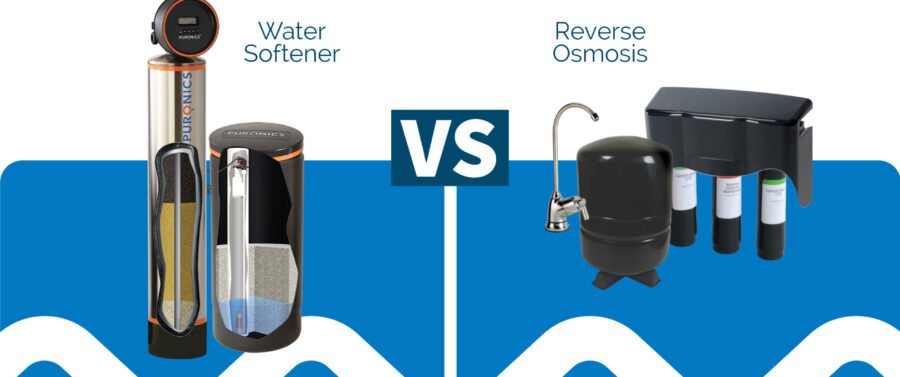
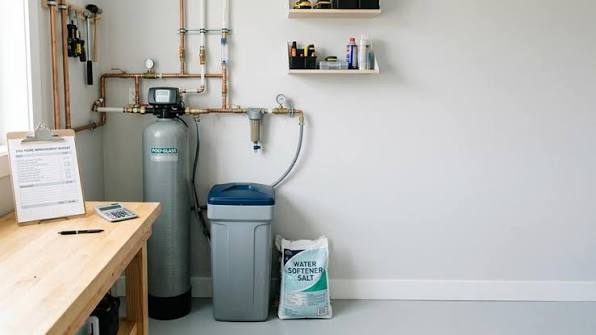
For households with significant hardness, water softeners can be an effective way to reduce mineral scale. Most conventional systems use a process called ion exchange. As water passes through a resin bed, calcium and magnesium ions are exchanged for sodium or potassium ions.
This changes the water’s hardness and can help limit the deposits that form inside plumbing and appliances. Homeowners may also find that soap lathers more easily and that shower screens, taps, and dishes require less frequent cleaning.
Still, a softener isn’t necessary for every home. If your water has only moderate hardness and the deposits are manageable, regular maintenance might be sufficient. A treatment system becomes more appealing when mineral buildup is persistent, water-using equipment is affected, or cleaning demands are becoming frustrating.
Before purchasing a unit, have the water tested and ask a provider to explain the recommended capacity. Household size, daily water use, hardness level, and peak demand all influence system selection.
Consider the ongoing costs as well. Salt or potassium, servicing, replacement parts, and water used during regeneration can affect the long-term expense. Conventional softeners also add sodium to the treated water, which may matter for people who have been advised to limit sodium intake. In such cases, seek appropriate advice about drinking-water arrangements.
A properly selected system should solve a defined problem rather than introduce unnecessary complexity.
Everyday Habits That Help Prevent Scale
Even without a softener, a few practical habits can keep mineral deposits under control. Regular attention is usually easier than trying to remove thick scale after it has accumulated for months.
Clean showerheads and faucet aerators when flow begins to decrease. Use a descaling product that is safe for the fixture’s material, and follow the manufacturer’s directions. Some surfaces, including natural stone, can be damaged by acidic cleaners, so avoid using the same product everywhere without checking first.
For dishwashers and washing machines, follow the recommended cleaning schedule and use detergents suitable for your water conditions. If the appliance has a built-in water-softening feature, check whether it requires salt or specific settings.
Water heaters should be maintained according to the manufacturer’s recommendations. Depending on the model and local conditions, a professional inspection or flushing may be appropriate. Don’t attempt unfamiliar servicing tasks on equipment connected to electricity, gas, or pressurized hot water.
It’s also helpful to keep an eye on water use and equipment performance. A sudden change in hot-water availability, unusual noise, or a leak deserves attention rather than being dismissed as a normal effect of hard water.
These small steps won’t remove hardness from the supply, but they can make its effects easier to manage.
Can Better Water Management Lower Maintenance Costs?
For many homeowners, the appeal of treatment isn’t just cleaner-looking taps. It’s the possibility of reducing repetitive cleaning, limiting scale accumulation, and keeping equipment in better working condition.
A well-planned approach may help lower maintenance costs by reducing unnecessary descaling, protecting certain plumbing components from heavy mineral deposits, and making routine care more predictable. However, savings aren’t guaranteed. They depend on the severity of the original problem, the cost of installation, ongoing operating expenses, and the equipment in the home.
Before investing, compare the likely costs of doing nothing with the full cost of treatment. Include installation, salt or filter replacements, servicing, and any additional water or energy use. If mineral deposits are minor, a treatment system may take a long time to justify its expense. If scale is severe and affects several appliances, the benefits may be more meaningful.
Ask suppliers for clear information about expected performance and maintenance requirements. Be cautious of promises that a softener will eliminate every plumbing problem or dramatically extend every appliance’s lifespan. Water hardness is only one factor affecting equipment durability.
A balanced decision considers both convenience and cost, rather than relying on dramatic claims.
Testing Comes Before Treatment
A water test provides a useful foundation for deciding what to do next. Hardness testing measures calcium and magnesium levels, helping determine whether softening is likely to be beneficial. If you also notice rusty staining, unusual odors, or persistent cloudiness, additional tests may be needed to investigate iron, sediment, or other concerns.
Municipal water customers can review their supplier’s quality report, while private well owners should arrange testing through an appropriate laboratory at recommended intervals. If the water changes suddenly, don’t assume hardness is responsible for every new symptom.
Remember that a softener doesn’t disinfect water or remove all contaminants. If testing identifies a health-related concern, treatment must be chosen specifically for that issue.
A More Manageable Approach to Home Care
Hard water can be an irritating part of everyday life, but it doesn’t have to dictate how much time you spend cleaning or maintaining your home. Recognizing the signs, testing the supply, and following sensible maintenance practices can help you avoid unnecessary work.
For some households, a water softener will be a worthwhile investment. For others, a few routine changes will be enough. The best decision depends on what the water test reveals and how the problem affects your home.
A little investigation now can prevent guesswork later. And when you understand the water moving through your pipes, it’s easier to care for your appliances, plan household expenses, and keep everyday chores from becoming bigger jobs than they need to be.