

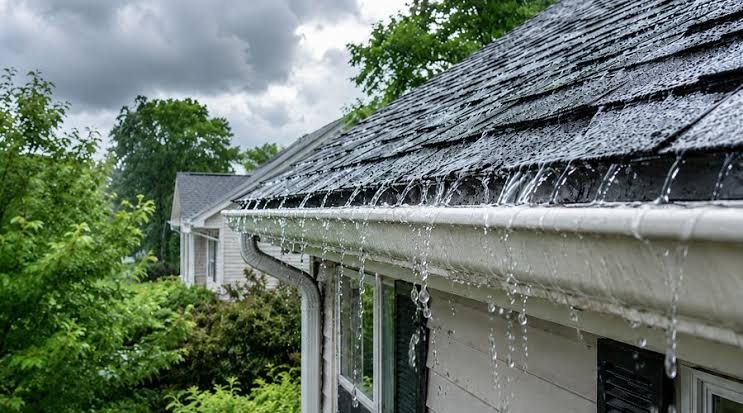
A roof has a funny way of blending into the background. It’s always there, protecting your home day after day, yet it rarely gets much attention until something goes wrong. By then, what started as a tiny issue has often turned into an expensive repair that nobody planned for.
The reality is that roofs usually don’t fail without warning. They leave little clues along the way—a few shingles out of place, water that doesn’t drain properly after rain, or an attic that feels unusually hot during summer. These signs might seem insignificant on their own, but together they often tell the story of a roof asking for help.
Learning to recognize these early warnings can save homeowners thousands of dollars while extending the life of the entire roofing system. More importantly, it helps prevent unexpected leaks that disrupt everyday life.
Your Roof Is Constantly Battling the Elements
Every season brings a new challenge.
Summer heat gradually dries roofing materials, making them more brittle over time. Heavy rain tests every seam and flashing connection. Strong winds tug at shingles, while falling branches can create damage that isn’t immediately visible.
Unlike many parts of a home, the roof has no opportunity to rest. It protects your house every hour of every day, regardless of the weather.
That’s why even well-built roofs eventually require attention.
The goal isn’t to wait for damage to appear inside your home. It’s to identify problems before they reach that point.
Water Is Usually the Biggest Threat
Many homeowners assume storms are the greatest danger to a roof.
In reality, standing water often causes even more damage.
When rainwater can’t drain properly, moisture lingers on roofing materials longer than it should. Over time, this encourages wood rot, mold growth, damaged insulation, and weakened structural components.
Because much of this damage happens beneath the surface, homeowners often don’t realize anything is wrong until stains appear on ceilings or walls.
By then, repairs become far more involved.
Don’t Ignore clogged gutters
One of the simplest roofing problems is also one of the most overlooked.
Clogged gutters prevent rainwater from flowing away from the roof efficiently. Instead of draining through downspouts, water backs up along the roof edge, sometimes working its way beneath shingles or overflowing against siding and foundations.
Leaves, twigs, dirt, and roof granules slowly accumulate throughout the year. Left untouched, they create blockages that place unnecessary stress on the entire roofing system.
Cleaning gutters just a few times annually is one of the easiest and most affordable ways to reduce long-term roof damage.
Sometimes the smallest maintenance task prevents the biggest repair bill.
A Single Missing Shingle Can Lead to Bigger Trouble
Shingles work together as a protective barrier.
When one becomes damaged or disappears after a storm, nearby shingles become more vulnerable to wind and moisture.
At first glance, it may seem like a cosmetic issue. But water rarely needs a large opening to begin causing problems.
That’s why roofing professionals recommend replacing damaged materials promptly rather than waiting until multiple areas deteriorate.
Quick action nearly always costs less than extensive repairs later.
Why loose shingles Deserve Immediate Attention
Even if shingles haven’t blown completely off the roof, loose shingles should never be ignored.
Wind can lift edges slightly without removing the entire piece. Those tiny gaps allow rainwater to penetrate beneath the roofing surface, especially during heavy storms driven by strong winds.
As moisture repeatedly enters and dries, roofing materials gradually weaken.
The encouraging news is that catching this issue early usually requires only a straightforward repair instead of replacing entire sections of the roof.
That’s the advantage of routine inspections—they identify problems before they grow.
Trees Can Quietly Damage Your Roof
Large trees certainly have their benefits.
They provide welcome shade during hot weather and improve curb appeal. However, branches hanging over a roof create ongoing risks.
Wind causes limbs to scrape roofing materials repeatedly, slowly wearing away protective surfaces. Falling branches may crack shingles or damage flashing, while leaves collect in roof valleys where moisture tends to linger.
Keeping trees properly trimmed allows sunlight and airflow to reach the roof while reducing the chance of storm-related damage.
It’s one of those maintenance tasks that often gets overlooked until it’s too late.
The Hidden Importance of roof ventilation
Most homeowners rarely think about their attic unless they’re storing holiday decorations.
Yet proper roof ventilation plays a surprisingly important role in protecting the entire roofing system.
During summer, trapped heat inside the attic accelerates the aging process of roofing materials. Excessive temperatures can shorten shingle life while increasing cooling costs throughout the home.
During cooler months, poor ventilation allows moisture to build up inside the attic, creating conditions where mold and wood deterioration become more likely.
Balanced airflow helps regulate temperature, reduces humidity, and supports longer-lasting roofing performance year-round.
It’s one of those behind-the-scenes features that quietly contributes to a healthier home.
Routine Inspections Make a Difference
Many roofing issues aren’t obvious from ground level.
Professional inspections often reveal cracked flashing, worn sealants, minor storm damage, or early signs of deterioration that homeowners simply can’t see safely.
These visits aren’t necessarily about finding major problems.
They’re about confirming that everything continues working as intended and identifying small concerns before they become expensive emergencies.
Think of it as preventive healthcare—but for your home.
Prevention Is Almost Always Less Expensive
Emergency roof repairs rarely happen at convenient times.
They usually follow severe weather, occur during holidays, or appear when household budgets are already stretched.
Preventive maintenance changes that equation.
Scheduling inspections, cleaning gutters, trimming nearby trees, replacing damaged shingles promptly, and addressing small concerns early gives homeowners far greater control over repair costs.
Instead of reacting to disasters, they’re making informed decisions before trouble develops.
That approach almost always saves money over the long run.
Final Thoughts
Your roof doesn’t expect constant attention, but it does appreciate occasional care.
Ignoring early warning signs may seem harmless today, yet small issues have a habit of growing quietly until they’re impossible to ignore. A blocked gutter, a lifted shingle, or poor attic ventilation can gradually lead to water damage, structural repairs, and unnecessary expenses.
Fortunately, protecting your roof doesn’t require complicated maintenance. A few simple inspections, seasonal cleaning, and timely repairs go a long way toward keeping your home safe and dry.
At the end of the day, your roof protects everything beneath it—your family, your belongings, and countless everyday moments. Giving it a little attention before problems appear is one of the smartest investments any homeowner can make, ensuring comfort and peace of mind for many years to come.