

Water has a way of becoming invisible in our daily routines. We turn on the faucet, fill a glass, start the dishwasher, or take a shower without thinking much about what is flowing through the pipes. That changes quickly when the water leaves stains, develops an unusual taste, or starts causing scale on fixtures and appliances.
The thing is, water quality isn’t the same everywhere. Local geology, water sources, plumbing, treatment practices, and seasonal conditions can all play a role. For homeowners and businesses alike, understanding the water first is usually a smarter move than immediately buying equipment.
Why Water Quality Deserves a Closer Look
Clear water isn’t necessarily problem-free water. Some minerals and dissolved substances have no obvious visual signs. You may only notice their effects after months or years of buildup.
Hard water is a common example. Calcium and magnesium can create scale around faucets, showerheads, and appliances. Chlorine may affect taste and odor, while sediment can make water look cloudy or contribute to clogged fixtures.
Other concerns require proper testing to identify. That’s why water quality should be approached with a little curiosity rather than guesswork.
Start With Testing Before Choosing Equipment
It can be tempting to search for the best filter online and order one immediately. But “best” depends entirely on what you’re trying to remove.
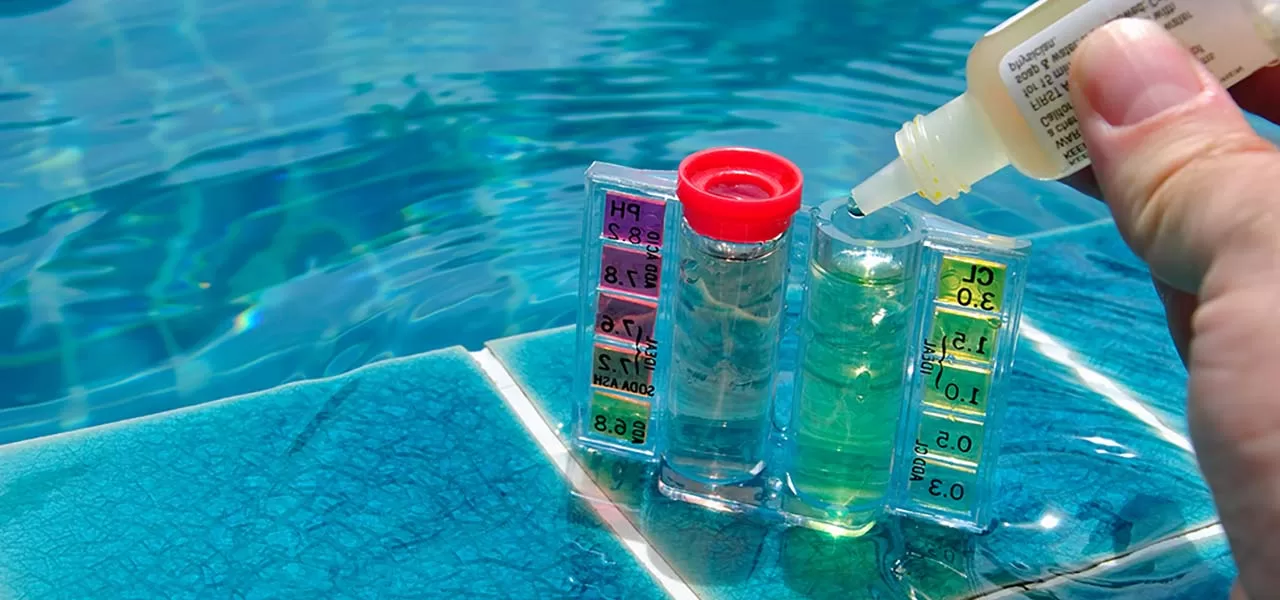
A water test can provide useful information about hardness, pH, iron, chlorine, sediment, and other characteristics. Private well owners may need additional testing based on local conditions and potential groundwater concerns.
Once the results are available, choosing water treatment products becomes much easier. You can focus on equipment that addresses your actual water-quality challenges instead of paying for features that sound impressive but aren’t necessary.
It’s a small step that can prevent a surprisingly expensive mistake.
Water Problems Aren’t the Same in Every Property
A family home and a busy commercial facility may both complain about water quality, but their needs can be completely different.
A homeowner might be frustrated by spots on dishes, dry-feeling water, or mineral buildup in the water heater. A restaurant may need consistent water quality for cooking, cleaning, and equipment operation. An office might mainly care about drinking water, taste, and convenience.
These different residential and commercial water concerns require different approaches. Treatment systems should be sized according to water usage and designed around the property’s specific conditions.
For commercial facilities, flow rate is particularly important. A system that works perfectly for a small household could struggle badly when asked to handle the water demand of a hotel, restaurant, school, or industrial operation.
Understanding Local Water Conditions
Location matters more than many people realize. Water chemistry can vary dramatically from one region to another, even within the same state.
In Florida, groundwater conditions, aquifer characteristics, local treatment practices, and plumbing systems can all influence what comes out of the tap. Homeowners may encounter concerns involving hardness, iron, sulfur odors, tannins, or other naturally occurring characteristics.
Understanding central florida water conditions is particularly useful when selecting treatment equipment for properties in the region. A system recommended for another part of the country may not necessarily be the best match for local water.
This is one reason local water testing and experienced treatment professionals can be valuable. They understand the kinds of problems commonly seen in the area and can help interpret test results in context.
Hard Water Can Create Everyday Frustrations
Hard water isn’t usually something you notice while drinking a glass. You notice it elsewhere.
White deposits appear around faucets. Shower glass becomes harder to keep clean. Soap doesn’t seem to rinse quite as easily. Laundry can feel different, and water heaters may develop mineral buildup over time.
A water softener can be useful when hardness is the main concern. Traditional softeners reduce calcium and magnesium through an ion-exchange process.
However, softening isn’t the same as filtration. If chlorine, sediment, or another contaminant is the concern, additional treatment may be needed.
That’s why the water test comes first.
Filtration and Purification Have Different Jobs
There are several water treatment technologies available, and each has a particular purpose.
Carbon filters are often used to reduce chlorine taste and odor. Sediment filters target suspended particles. Reverse osmosis systems can reduce many dissolved substances from drinking water. Ultraviolet systems may be used for certain microbiological concerns.
Choosing between them isn’t really about which technology is “best.” It’s about which technology matches the water.
Sometimes one system is enough. In other homes or businesses, a combination provides better results. The goal should be effective treatment without unnecessary complexity.
Whole-Property Treatment vs. Drinking Water Filtration
Another useful question is whether you need to treat all the water entering the property or only water used for drinking and cooking.
A point-of-use system, such as an under-sink filter, can be a practical choice when drinking water is the main priority.
Whole-home systems are different. They’re installed on the main water line and treat water before it reaches showers, appliances, sinks, and other fixtures.
Neither option is automatically better. If you’re mainly concerned about drinking-water taste, a kitchen system may be sufficient. If scale is affecting the entire plumbing system, whole-home treatment may be more appropriate.
Maintenance Is Part of the Investment
Water treatment equipment needs ongoing care. Filters eventually need replacement, softeners need salt, and some systems require periodic servicing.
Before buying, ask about maintenance schedules and replacement costs. A system with a low purchase price can become expensive if filters are difficult to find or require frequent replacement.
Commercial systems may require more detailed monitoring because water quality can directly affect business operations and equipment.
Good maintenance also provides an opportunity to notice changes in water quality early.
Choosing Water Treatment With Confidence
The smartest water treatment decisions rarely begin with a product catalog. They begin with questions.
What’s in the water? Where is the problem occurring? How much water does the property use? What needs to be improved? What are the ongoing maintenance costs?
Once those questions have clear answers, the equipment becomes much easier to choose.
Whether you’re improving water quality in a family home or managing a commercial property, the goal is ultimately the same: reliable water that works well for the people and equipment depending on it.
Take the time to test first, understand local conditions, compare treatment options, and think about long-term maintenance. Water quality may not be the most exciting home or business topic, but when you get it right, you notice the difference every day — often without even thinking about it.