Good water filtration isn’t really about buying the most complicated system on the shelf. It’s about understanding what your water needs and choosing a setup that handles those needs without creating a maintenance headache six months down the road.
For many homes, a multi-stage filtration system makes sense because different filtration methods are designed to deal with different problems. One stage may capture sediment, another can reduce dissolved contaminants, and another can improve taste. Together, these stages can produce water that’s cleaner, fresher, and more pleasant to use.
But there’s a bit more to it than connecting a few cartridges together. The order of filtration matters, the quality of incoming water matters, and even your household’s daily water consumption can affect how well the system performs.
Why Multiple Filtration Stages Matter
Think of a filtration system like a series of checkpoints. Each stage has a particular job. If you ask one filter to handle everything, it can become overwhelmed or wear out faster than expected.
The first stage typically deals with larger particles such as sand, dirt, rust, and other suspended material. This is where prefiltration becomes important. Removing larger particles early helps protect the more sensitive components that follow.
That simple step can make a surprising difference. Imagine pouring muddy water through a fine coffee filter. It might eventually produce cleaner water, but the filter is going to clog quickly. A properly designed prefiltration stage works in much the same way, taking the heavier workload before the finer filtration stages get involved.
Understanding the RO Membrane
One of the most recognizable technologies in residential water treatment is reverse osmosis. Unlike a basic sediment or carbon filter, reverse osmosis is designed to reduce a wide range of dissolved substances from water.
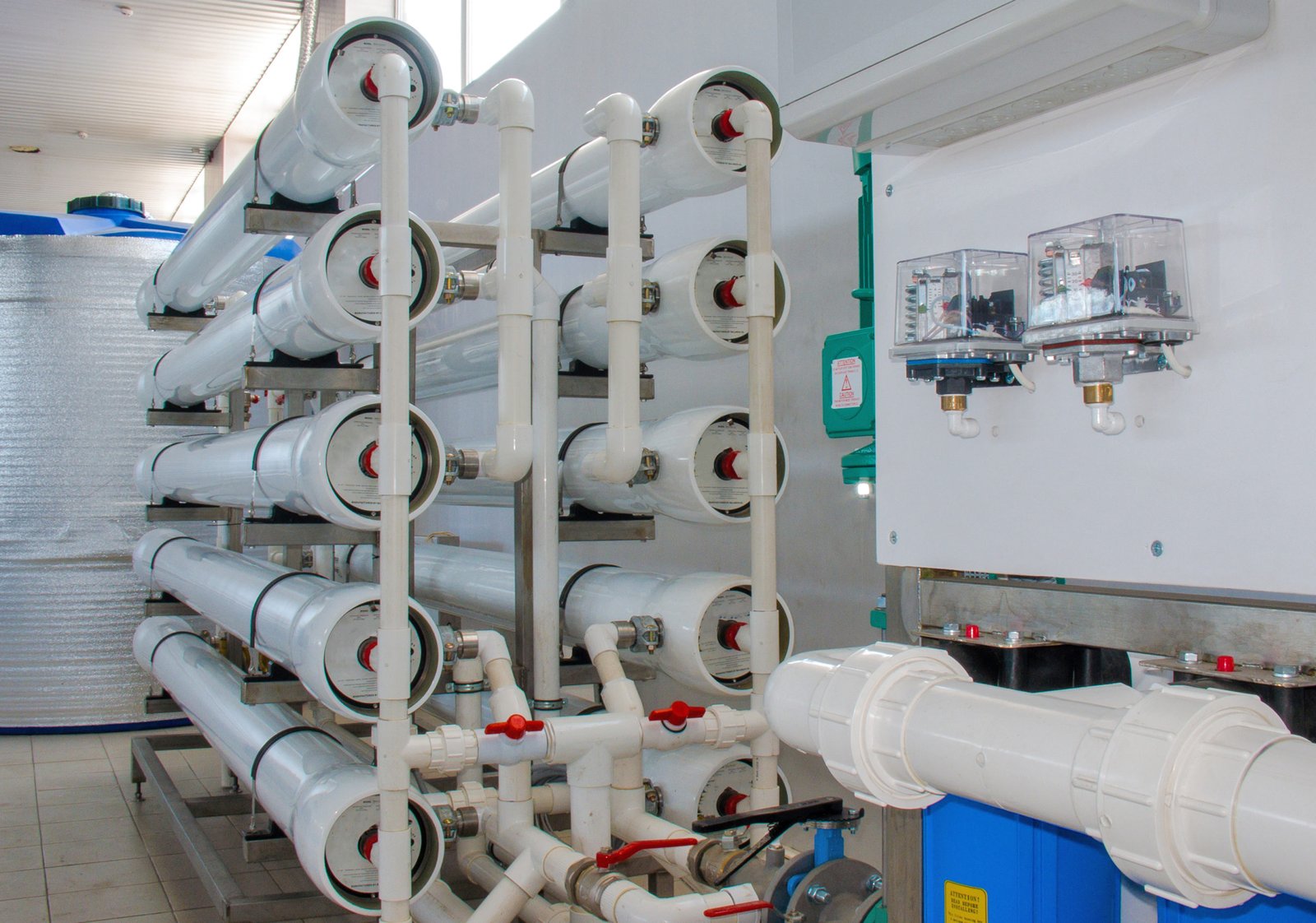
At the heart of the system is the ro membrane, a semipermeable membrane through which water is pushed under pressure. The membrane allows water molecules to pass while rejecting many dissolved contaminants.
This process can be highly effective, but it isn’t magic. Reverse osmosis systems require appropriate water pressure, regular maintenance, and correctly selected pre-treatment. The membrane also doesn’t last forever.
Another thing homeowners sometimes overlook is wastewater. Traditional reverse osmosis systems send some water to the drain during the purification process. More efficient designs can reduce this amount, so it’s worth asking about water efficiency when comparing systems.
The Importance of the Filters Before RO
A reverse osmosis membrane is one of the more delicate and expensive components in the system, so protecting it is a big deal.
Sediment filters can capture particles that might otherwise reach the membrane, while activated carbon filters can reduce substances such as chlorine that may affect certain membrane materials. The exact configuration depends on the water source and the system design.
This is why simply replacing the RO membrane every time something goes wrong isn’t a sensible approach. If the membrane is being exposed to contaminants or conditions it wasn’t designed to handle, replacing it may only treat the symptom.
Good filtration is partly about prevention. Protect the expensive component, and the whole system generally becomes easier to manage.
What Happens After Reverse Osmosis?
Once water has passed through the main purification stage, many systems include another small filtration step. This is commonly called a post-treatment stage.
A post-filter is often used to improve the final taste or remove any residual odors before the water reaches the faucet. In a household system, this final step can make the difference between water that is technically treated and water that people actually enjoy drinking.
That matters more than it sounds. If family members don’t like the taste, they may simply go back to bottled water or avoid drinking enough throughout the day. The best filtration system is one people are comfortable using.
Maintenance Isn’t Optional
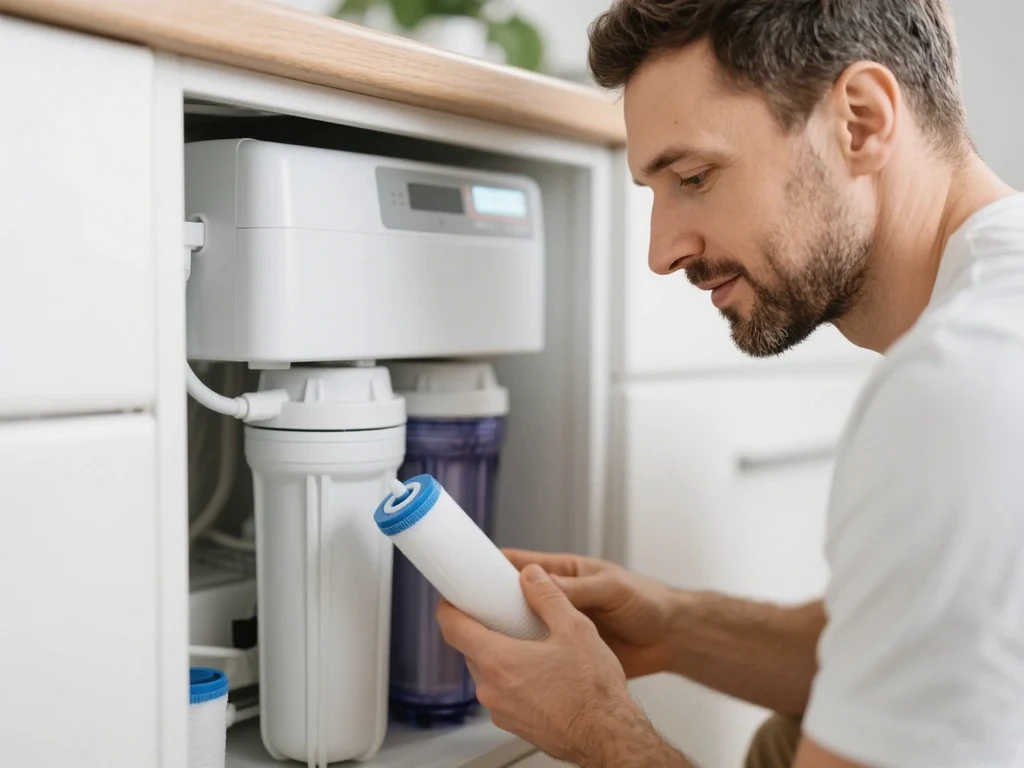
Even the best filtration equipment needs attention. Filters collect material over time, and their performance can decline when cartridges are used beyond their recommended service period.
The exact replacement schedule varies according to water quality, household size, usage, and filter capacity. A busy family using a lot of water may go through cartridges much faster than a single person living alone.
Don’t wait for the water to taste strange before checking the system. Keep a simple record of when each filter was installed. It takes a minute, and it saves you from guessing later.
You should also check for leaks, unusual pressure changes, and changes in water flow. Small problems are usually easier—and cheaper—to fix when they’re caught early.
Test the Water First
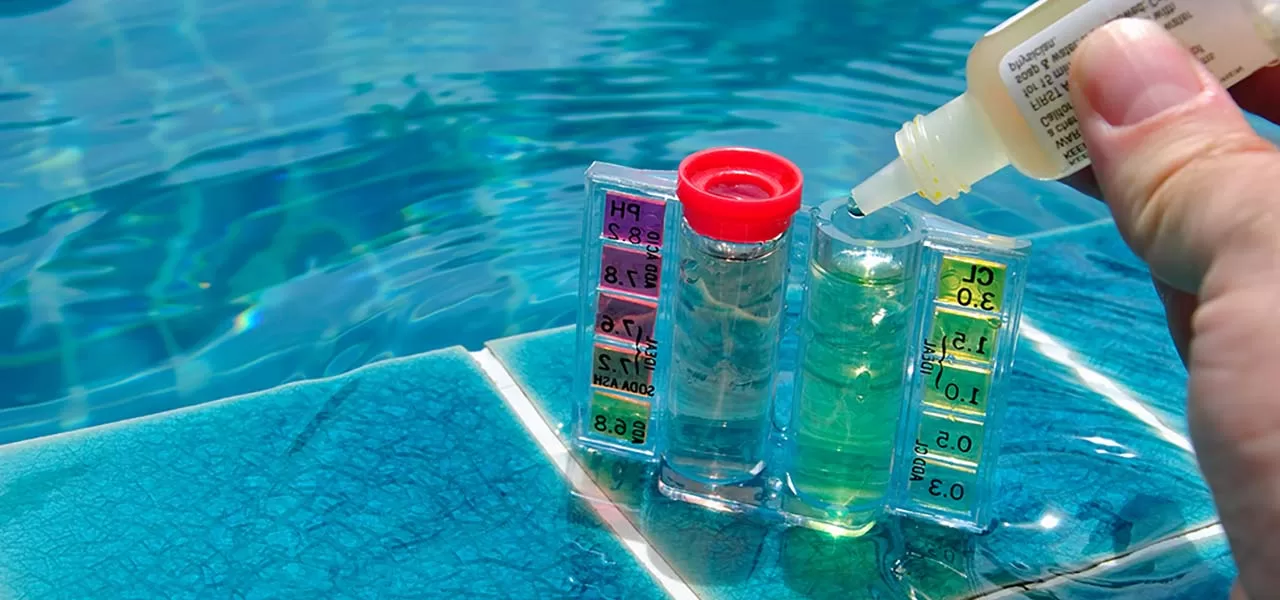
One of the smartest things you can do before buying a filtration system is test your water.
Water can look perfectly clear and still contain substances you may want to reduce. On the other hand, cloudy water or a metallic taste doesn’t automatically tell you which treatment technology is appropriate.
Testing helps turn a vague concern into an actual filtration plan. Instead of saying, “I want the cleanest water possible,” you can identify specific water-quality issues and select equipment accordingly.
For private wells in particular, periodic testing is worth taking seriously because groundwater conditions can change. Nearby land use, flooding, construction, and seasonal changes may all influence water quality.
Don’t Forget Water Pressure
Reverse osmosis depends on pressure to push water through its membrane. If incoming pressure is too low, production may become slow and frustrating.
Before installing a system, check the manufacturer’s pressure requirements and compare them with the conditions in your home. In some situations, a booster pump may be useful.
Storage capacity matters, too. RO systems typically produce purified water more slowly than a normal faucet delivers it. A storage tank helps ensure that treated water is available when you need it, rather than forcing you to wait every time you fill a glass.
Choosing a System That Fits Your Home
There isn’t one perfect filtration system for every household. A small apartment with relatively good municipal water has very different needs from a large family using well water.
Look at the entire cost rather than just the purchase price. Consider installation, replacement cartridges, membrane replacement, water usage, servicing, and warranty coverage. A cheaper system isn’t necessarily cheaper over five years.
And don’t get distracted by an endless list of filtration claims. Ask practical questions instead: What does each stage remove? How often does it need replacement? What happens if the water pressure changes? Are replacement parts easy to obtain?
A reputable supplier should be comfortable answering those questions.
Cleaner Water Starts With the Right Design
A multi-stage filtration system works best when each component has a clear purpose. Prefiltration protects downstream equipment, reverse osmosis can address many dissolved contaminants, and final filtration can improve the drinking experience.
The goal isn’t to build the most elaborate system possible. It’s to build the right system for your water.
Take the time to test your water, understand your household’s usage, and learn what each filtration stage actually does. Once you look at it that way, choosing a system becomes much less confusing.
And honestly, that’s the best part. You don’t need to become a water-treatment expert. You just need enough information to make a sensible choice—then keep the system maintained so it can quietly do its job, day after day.