Clean Water Starts With Knowing What’s in It
Most people expect the water coming from their kitchen faucet to be clean, clear, and pleasant to drink. And often, it is. But even water that looks perfectly normal can contain substances that affect its taste, smell, appearance, or the way it behaves around your home.
That’s why choosing a water filtration system shouldn’t start with a flashy product description. It should start with a simple question: what’s actually in your water?
Depending on the source, homeowners may deal with disinfectants, sediment, minerals, metals, odors, or other contaminantsr that aren’t obvious at first glance. The right treatment depends on identifying those concerns and choosing technology designed for them.
Why Water Can Taste Different From One Home to Another
Water doesn’t have one universal taste. Municipal water supplies may be treated before reaching your home, while private wells can pick up naturally occurring minerals as groundwater moves through soil and rock.
Even two houses on the same street can occasionally experience different water characteristics because plumbing, water sources, and building conditions aren’t always identical.
Taste and odor are often the first things homeowners notice. A glass of water might have a faint chemical taste, a metallic note, or simply not taste as fresh as expected.
That doesn’t necessarily mean something dangerous is happening. Still, noticeable changes are worth investigating rather than ignoring.
Chlorine Has a Purpose, but You May Notice It
Municipal water systems commonly use disinfectants to help control harmful microorganisms. This is an important part of maintaining a public water supply, but some people dislike the taste or smell associated with treatment.
For those homeowners, chlorine filtration may be worth considering. Activated carbon is commonly used to reduce chlorine and improve the taste and odor of treated water.
The result can be a more pleasant glass of water, especially for people who are sensitive to the characteristic taste of treated municipal water.
However, carbon filtration isn’t a magic solution for every water-quality issue. It should be selected based on what you want the system to accomplish.
Sediment Can Be More Than an Eyesore
Sediment is another common concern, particularly in some private wells or homes with aging plumbing.
Tiny particles can enter the water supply and eventually collect in faucets, screens, appliances, and other components. You may notice cloudy water, visible particles in a glass, or reduced performance from fixtures.
A properly selected sediment filter can capture particles before they travel farther into the plumbing system. The type and size of filter needed depend on the nature and concentration of the material.
If the sediment problem is severe, simply replacing a small cartridge every few weeks may not be the most practical answer. A larger whole-home solution might make more sense.
Why Testing Comes Before Buying Equipment
It’s easy to walk into a store or search online and find dozens of filtration systems promising cleaner water. The difficult part is knowing which one is actually appropriate.
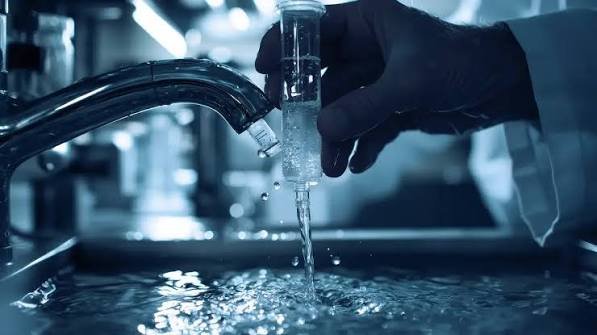
Water testing can remove much of that guesswork.
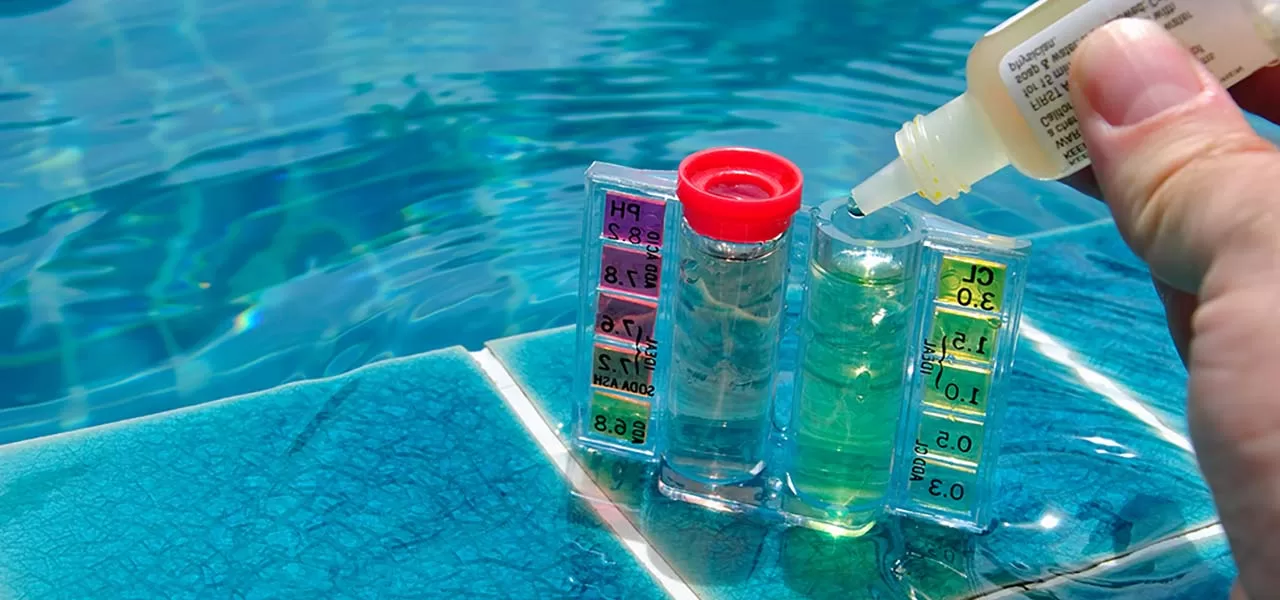
Testing may provide information about pH, hardness, iron, manganese, chlorine-related concerns, sediment, and other characteristics. The exact testing needed depends on the water source and the issues you’re experiencing.
For private wells, regular testing is especially important because conditions can change over time.
Instead of buying equipment because the packaging sounds convincing, find out what the water needs first. It may save you money in the long run.
Different Filters Do Different Jobs
One of the biggest misconceptions about water filtration is that all filters are basically interchangeable.
They’re not.
Sediment filters are designed to capture particles. Carbon filters can help with certain tastes, odors, and chemical compounds. Water softeners address hardness minerals such as calcium and magnesium. Specialized treatment systems may be necessary for iron, sulfur, or other specific concerns.
The technology should match the problem.
A filter marketed as a “whole-house solution” isn’t automatically capable of removing everything. Always check what the equipment is actually designed to treat.
Whole-Home Filtration Can Make Sense
If the water problem affects more than your drinking tap, treating just one faucet may not be enough.
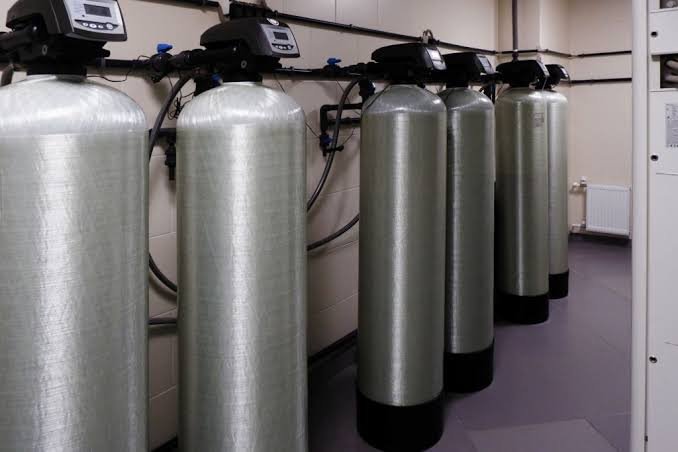
Whole-home filtration treats water as it enters the property, allowing treated water to travel through the household plumbing. This can be useful when homeowners want to address concerns affecting showers, sinks, laundry, and appliances as well as drinking water.
For example, if unpleasant chlorine taste is noticeable throughout the home, a point-of-entry carbon system may be more convenient than keeping a small filter attached to the kitchen faucet.
The right choice depends on the problem and the household’s priorities.
Don’t Forget About Water Pressure
Filtration equipment can affect water flow, especially when filters become loaded with material.
A system needs to be properly sized for the home’s flow requirements. If the equipment is too restrictive, homeowners may notice reduced pressure when several fixtures are operating.
This is one reason professional sizing can be helpful. A system shouldn’t simply remove unwanted substances; it should also fit comfortably into the home’s existing plumbing and usage patterns.
A good filtration setup is supposed to make life easier, not turn every shower into a low-pressure experiment.
Maintenance Keeps Filters Doing Their Job
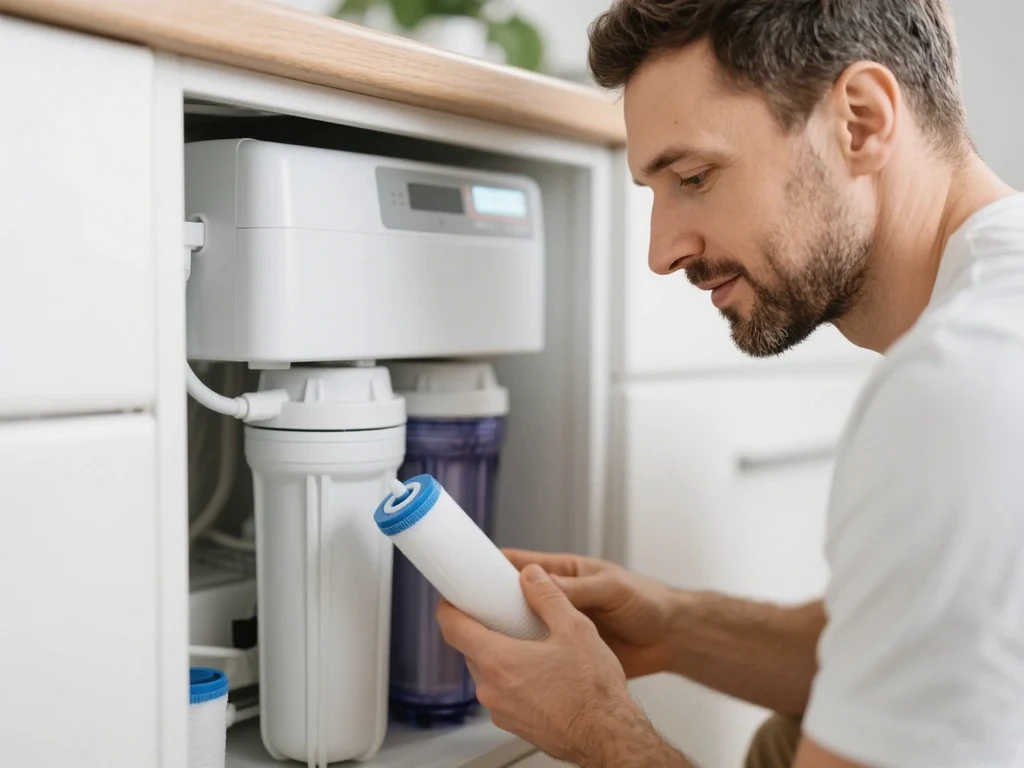
Every filtration system has some form of maintenance. Cartridge filters eventually need replacement. Carbon media may require servicing. Sediment filters need attention as they collect particles.
Ignoring maintenance can reduce performance and, in some cases, create additional problems.
Before choosing a system, find out how often components need to be replaced and what those replacements cost. A system that looks inexpensive initially may become surprisingly costly if it requires frequent cartridge changes.
It’s better to understand those ongoing expenses upfront.
Don’t Overlook Your Water Heater and Plumbing
Sometimes the source of a water-quality complaint isn’t the water entering the home.
If an odor or discoloration appears only in hot water, the water heater deserves attention. Older plumbing can also contribute metallic tastes, discoloration, or particles.
This is why a complete evaluation can be more useful than immediately installing a filter.
A treatment system can only address the problems it’s designed to handle. If the source is somewhere else, filtration alone won’t solve it.
Choosing the Right System Is About Balance
The best water treatment setup isn’t necessarily the largest, most expensive, or most complicated one.
It should address the specific concerns found through testing, provide enough capacity for household demand, and be practical to maintain.
For some homes, a simple carbon filter may be enough. Others may need sediment filtration, softening, oxidation, or multiple treatment stages.
There’s no shame in keeping things simple when simple works.
Better Water Without the Guesswork
Water quality can seem complicated at first, but the basic approach is actually pretty straightforward. Test the water. Identify the problem. Choose technology designed for that problem. Then maintain the system properly.
Whether you’re dealing with chlorine taste, visible sediment, unusual odors, or other contaminantsr, the goal should always be the same: treatment that makes sense for your home’s actual water.
Good filtration doesn’t need to be complicated or mysterious. When the system is properly selected and maintained, it can quietly improve the water your family uses every day — from the first morning glass to the last shower at night.