There’s never a particularly convenient time for a water treatment system to stop working. It usually happens when you’re rushing to get ready for work, preparing for visitors, or trying to enjoy a quiet weekend at home.
The frustrating part is that some equipment problems could have been avoided with a little routine attention.
For homeowners across Vancouver Island, maintaining household water systems is just as important as choosing suitable equipment in the first place. Filters, pumps, softeners, and disinfection units all need occasional care to continue performing effectively.
Developing sensible habits around preventative water system care can help reduce unexpected breakdowns, manage repair expenses, and support dependable water quality throughout the year.
And thankfully, looking after your equipment doesn’t have to become another complicated household responsibility.
Pay Attention to the Small Changes
Water systems don’t always fail suddenly. Sometimes, the warning signs are there for weeks before anyone notices.
Perhaps the kitchen faucet takes longer to fill a kettle, or your well pump seems to switch on more frequently than usual. You might even notice mineral deposits returning after months of trouble-free water softening.
These changes deserve attention.
Reduced water flow could indicate a clogged filter, while frequent pump cycling may suggest problems involving the pressure tank or another component.
Getting familiar with your equipment’s normal operating behaviour makes it easier to recognize when something isn’t right.
Don’t immediately assume the entire system needs replacing. Sometimes, a worn component or overdue maintenance task is responsible.
Give Your Water Filters the Attention They Deserve
Filters are easy to forget about. They’re usually tucked away beneath a sink or inside a utility room, quietly doing their job while you get on with everything else.
However, consistent water filtration equipment maintenance is essential for ensuring that treatment products continue operating within their intended capabilities.
Sediment cartridges gradually collect particles, while activated carbon filters have limited capacities for reducing particular substances.
Once a filter reaches the end of its useful life, treatment effectiveness may decline.
Follow manufacturer recommendations regarding replacement intervals, and remember that incoming water conditions and household consumption can influence how frequently maintenance is needed.
It’s also important to use compatible replacement cartridges. Two filters might look nearly identical but have significantly different specifications.
Keeping a spare cartridge available can save an inconvenient trip to the supplier when replacement time arrives.
Looking After Your Water Softener
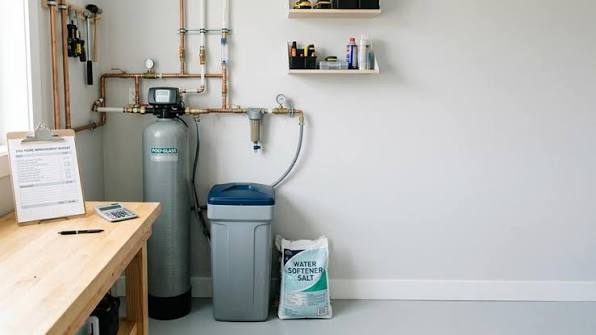
A water softener can make a considerable difference in households dealing with excessive mineral hardness. However, it won’t deliver consistent results indefinitely without appropriate upkeep.
Check the salt level regularly and use the type of salt recommended by the equipment manufacturer.
Occasionally, hardened salt can form a bridge inside the brine tank, preventing proper contact between the salt and water.
If you notice hardness returning despite having sufficient salt, the equipment may require inspection or servicing.
It’s also worth monitoring regeneration patterns and investigating unexpected changes in salt consumption.
These details can provide useful clues about equipment performance.
For more complicated issues involving control valves or internal components, professional assistance is generally preferable to experimenting with unfamiliar settings.
Keeping UV and Reverse Osmosis Systems Effective
Different treatment technologies have different maintenance requirements, something homeowners occasionally overlook when several systems are installed together.
When it comes to maintaining water treatment performance, following equipment-specific servicing recommendations is especially important for ultraviolet disinfection and reverse osmosis units.
Ultraviolet lamps can gradually lose their effective output even when they continue producing visible light. Quartz sleeves may also accumulate deposits that interfere with treatment.
Reverse osmosis equipment requires periodic filter and membrane replacement to maintain its intended performance.
Pay attention to system alarms, unusual changes in water production, and manufacturer servicing instructions.
For equipment addressing potentially harmful contaminants, appropriate follow-up water testing can help confirm whether treatment remains effective.
Good-looking water alone isn’t proof that everything is working correctly.
Prepare Your Equipment for Seasonal Changes
Vancouver Island homeowners experience different water management challenges throughout the year.
During warmer months, increased garden watering and household consumption may place additional demands on pumps and filtration equipment. Heavy rainfall during wetter periods can introduce concerns for vulnerable private wells.
Before seasonal changes arrive, take some time to inspect accessible equipment, check for visible leaks, and review upcoming maintenance requirements.
Outdoor pipes, irrigation systems, and exposed equipment may also require protection against freezing temperatures.
Private well owners should arrange regular laboratory testing and investigate water quality changes following flooding or well repairs.
A little preparation can make seasonal transitions considerably less stressful.
Create a Maintenance Routine That Actually Works
There’s no need for an elaborate spreadsheet or complicated inspection schedule unless that’s something you genuinely enjoy.
A simple notebook, calendar reminder, or folder containing equipment manuals can work perfectly well.
Record filter replacement dates, water testing results, equipment model numbers, and professional servicing appointments.
Having this information readily available makes troubleshooting easier and helps prevent forgotten maintenance tasks.
It also allows you to estimate future expenses for replacement components rather than being caught off guard.
Small, consistent efforts are often more effective than occasional bursts of intensive maintenance.
Reliable Water Is Worth Looking After
A well-maintained water system quietly contributes to countless everyday comforts, from preparing your morning coffee to enjoying a relaxing shower after work.
For Vancouver Island homeowners, appropriate equipment care can help protect existing investments and reduce unnecessary interruptions.
Replace filters on time, investigate unusual changes, and seek qualified assistance when repairs exceed your experience.
Water equipment may not be the most exciting part of homeownership, but it certainly deserves attention.
After all, spending a little time looking after your system today could save you from spending an entire weekend dealing with water problems tomorrow. That’s a trade-off most homeowners would happily make.