Sometimes, the desire for a home makeover begins with something surprisingly small. An outdated bathroom mirror, a cracked kitchen tile, or a collection of worn fixtures can make an otherwise attractive room feel tired and neglected.
While a complete renovation might seem like the obvious solution, it isn’t always necessary. Thoughtfully selected repairs and upgrades can transform familiar spaces without the expense and disruption associated with extensive construction.
The key is recognizing which features need replacing and which can be restored through quality workmanship.
Whether you’re preparing your property for sale or simply making it more enjoyable for your family, investing in practical improvements can help create a comfortable, attractive, and functional living environment.
Transforming Your Home Without Starting From Scratch
Home renovation means different things to different people. For some, it involves completely redesigning a room. For others, it’s simply about restoring damaged surfaces and updating features that no longer suit their preferences.
Professional residential renovation and repair services allow homeowners to address existing maintenance concerns while introducing improvements that complement their lifestyle and budget.
Consider a bathroom that hasn’t been updated in several years. The cabinetry remains in excellent condition, but the accessories look outdated, the walls need refreshing, and several tiles are damaged.
Instead of removing everything and starting again, targeted improvements could give the space an entirely different character.
The same approach works well in kitchens, living rooms, and entryways.
Repairing damaged trim, improving storage, refreshing painted surfaces, and updating decorative elements can deliver impressive results without extensive structural changes.
Before beginning a project, identify which features genuinely need attention. An experienced professional can help distinguish between necessary repairs and optional upgrades.
Sometimes, working with what you already have leads to a more satisfying and economical outcome.
Updating Household Fixtures for Better Functionality and Style
Fixtures are among those household features that people rarely appreciate until they stop working properly or begin looking noticeably outdated.
A loose bathroom accessory, worn cabinet handle, or damaged curtain rod can affect both the appearance and convenience of a room.
Thoughtfully planned fixture replacements offer homeowners a practical way to refresh their living spaces while improving everyday functionality.
Imagine updating kitchen cabinets with modern handles that complement the existing countertops and flooring. This relatively simple change could make the entire kitchen feel refreshed without replacing expensive cabinetry.
Bathroom accessories, mirrors, shelving brackets, and door hardware can also benefit from occasional upgrades.
However, selecting attractive products is only part of the process. Proper installation matters just as much.
Replacement components should be compatible with existing materials, mounting locations, and surrounding features.
Heavier fixtures may require suitable wall reinforcement or specialized mounting hardware.
Electrical fixtures and certain plumbing replacements should be handled by appropriately qualified professionals wherever necessary.
Choosing quality materials and dependable installation techniques helps ensure that your new additions remain attractive and functional over time.
Restoring Damaged Tiles for a Clean and Consistent Finish
Tiles bring durability, texture, and visual appeal to bathrooms, kitchens, entryways, and other frequently used areas. Unfortunately, accidental impacts, moisture exposure, and movement beneath the surface can occasionally cause damage.
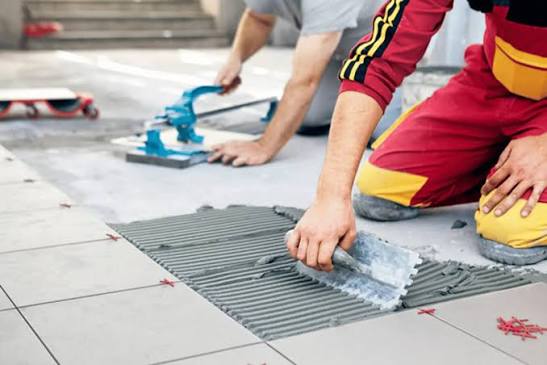
Professional tile repairs can help restore affected areas by addressing cracked tiles, deteriorating grout, loose sections, and other localized surface imperfections.
A single damaged tile might seem insignificant, but it can become surprisingly noticeable in an otherwise beautifully finished room.
Depending on the condition of the surrounding surface, replacing individual tiles may offer a more economical alternative to installing entirely new flooring or wall coverings.
Matching existing colors, patterns, textures, and grout shades requires careful attention. Keeping spare tiles from previous installations can make future restoration projects considerably easier.
It’s also important to investigate why the damage occurred.
Recurring cracks or loose tiles may indicate movement beneath the surface, moisture intrusion, or problems with the original installation.
Simply replacing damaged sections without addressing underlying concerns could result in the same problem returning.
A thorough assessment helps determine whether localized restoration is sufficient or more extensive specialist work is necessary.
Recognizing When Your Home Is Ready for an Update
Homeowners sometimes become so accustomed to their surroundings that they stop noticing gradual deterioration.
Taking a fresh look around your property can reveal several opportunities for improvement.
Common signs that household features need attention include:
- Cracked, chipped, or loose floor and wall tiles.
- Outdated or unstable bathroom accessories.
- Worn cabinet handles and damaged hinges.
- Deteriorating grout and moisture-related discoloration.
- Scratched wooden trim and damaged painted surfaces.
- Fixtures that no longer operate comfortably.
Prioritize repairs involving safety, moisture protection, and functionality before concentrating on decorative upgrades.
Creating a room-by-room improvement checklist can help you organize projects according to their importance and available budget.
Balancing Renovation Costs With Long-Term Value
It’s easy to become enthusiastic about home improvements and gradually exceed your original budget.
Before purchasing materials or scheduling work, establish clear priorities. Decide which improvements will provide meaningful benefits and which can wait.
For example, repairing damaged bathroom tiles and addressing the source of moisture should generally take priority over installing decorative accessories.
Request detailed estimates covering labor, materials, and anticipated preparation work.
Consider durability and maintenance requirements rather than focusing exclusively on the lowest purchase price.
Combining several suitable improvement projects into one appointment may also help reduce scheduling inconveniences and unnecessary service expenses.
Choosing Workmanship That Makes a Lasting Difference
Successful renovation projects depend on careful preparation, suitable materials, and attention to finishing details.
Look for experienced professionals who communicate clearly, provide realistic estimates, and carry appropriate insurance.
A dependable service provider should respect your belongings, protect surrounding surfaces, and explain unexpected problems before undertaking additional work.
These considerations help ensure a smoother renovation experience.
Rediscovering the Beauty of Your Existing Home
Creating a beautiful living space doesn’t always require dramatic transformations. Sometimes, replacing outdated accessories, restoring damaged surfaces, and completing neglected repairs is enough to make a familiar room feel new again.
Thoughtful renovations can improve everyday comfort while helping preserve your property’s condition and appeal.
By choosing practical upgrades, addressing underlying problems, and investing in quality workmanship, homeowners can achieve meaningful improvements without unnecessary spending.
After all, the most rewarding home renovation is often the one that makes you appreciate the space you already have.