When homeowners think about improving their water, the kitchen faucet is usually the first thing that comes to mind. That’s understandable, considering how often we use it for drinking and cooking. But water travels throughout the entire house, reaching bathroom fixtures, washing machines, water heaters, and other appliances that deserve just as much attention.
Investing in water treatment at the point of entry allows homeowners to address specific water quality problems before incoming water reaches connected areas of the property.
It’s a practical approach, especially when concerns aren’t limited to a single faucet. Instead of installing separate filters in different rooms, homeowners can manage treatment from one central location.
Before making that investment, though, it helps to understand what centralized filtration can accomplish and how to choose equipment that genuinely suits your household.
Why Incoming Water Quality Matters More Than You Might Think
Water can collect various minerals, suspended particles, and other substances during its journey to your home.
Private wells may contain naturally occurring iron, sediment, or hardness minerals. Municipal supplies can sometimes retain disinfectant-related tastes or odors. Aging plumbing may introduce additional concerns.
You might notice these issues while showering, washing clothes, or cleaning bathroom fixtures.
Perhaps tiny particles regularly collect inside faucet aerators, or there’s an unpleasant smell whenever you run the bath.
Homeowners exploring point-of-entry water filtration solutions can benefit from identifying these problems through appropriate testing before selecting treatment equipment.
Understanding the incoming supply makes it easier to determine which filtration technologies are useful and which might represent an unnecessary expense.
Nobody wants to pay for equipment that doesn’t address the actual problem.
How Centralized Water Filtration Works
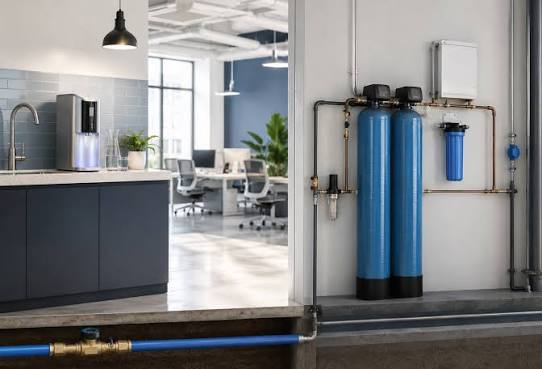
The basic concept behind centralized filtration is relatively straightforward. Treatment equipment is connected near the main water supply, allowing incoming water to pass through selected filtration media before reaching household fixtures.
Different filtration stages perform different tasks.
Sediment filters capture suspended particles such as sand, dirt, and rust. Activated carbon filtration can reduce certain unwanted tastes, odors, and contaminants.
Specialized treatment media may address particular concerns involving iron or other substances.
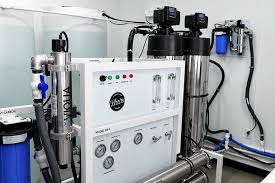
Modern whole-home water filter systems can incorporate multiple treatment stages, depending on the property’s water conditions and household requirements.
However, more filtration stages don’t automatically guarantee better results.
A thoughtfully designed system should address specific concerns while maintaining suitable water flow throughout connected plumbing.
Equipment selection based on reliable testing generally offers better practical value than purchasing a system solely because it has impressive features.
Enjoying the Benefits Beyond Your Kitchen Faucet
One appealing aspect of centralized filtration is that its potential benefits extend into several areas of household life.
Imagine stepping into the shower without noticing that unpleasant odor you’ve grown accustomed to. Or finding fewer rust particles collecting around bathroom fixtures after appropriate sediment treatment.
These improvements may seem relatively small, but they can make familiar activities considerably more enjoyable.
There’s also the convenience of maintaining one centralized filtration arrangement rather than replacing individual filters throughout the property.
For busy families, having appropriately treated water available at connected faucets can simplify everyday routines.
Of course, results depend on the original water conditions and the equipment selected. Establishing realistic expectations beforehand helps homeowners appreciate what their investment can genuinely deliver.
Can Whole-House Filtration Help Protect Your Appliances?
Water heaters, dishwashers, and washing machines are among the more expensive items homeowners regularly depend on.
Unfortunately, certain water characteristics can contribute to additional maintenance requirements.
Suspended particles may accumulate in sensitive plumbing components, while hardness minerals can form deposits inside appliances that regularly heat water.
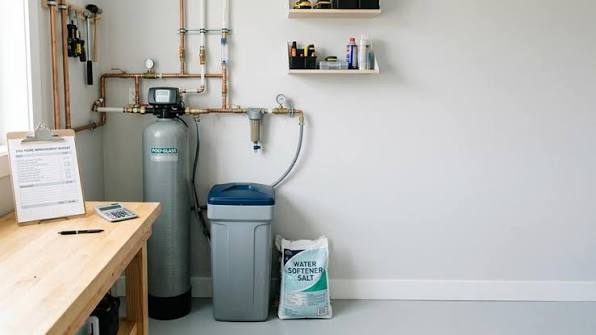
Suitable filtration can help reduce suspended materials entering household equipment. However, addressing dissolved hardness minerals generally requires separate softening or appropriate scale management technology.
That’s an important distinction.
An ordinary sediment filter won’t prevent calcium and magnesium from forming mineral deposits.
Combining suitable treatment technologies may help address multiple concerns, potentially reducing future maintenance problems. Existing deposits or damage may still require separate servicing.
Choosing Equipment That Matches Your Household’s Water Demand
Picture a typical morning when someone’s taking a shower, another person is washing breakfast dishes, and the washing machine is already running.
Your filtration equipment needs to accommodate these simultaneous activities.
An incorrectly sized system could restrict water flow, creating unnecessary frustration during periods of high demand.
Consider your household’s peak consumption, incoming water pressure, available installation space, and measured water conditions.
Ask your installer about equipment capacity and why a particular model is suitable for your home.
Maintenance accessibility matters as well. Replacing a filter shouldn’t require rearranging half the utility room.
These practical considerations often make a considerable difference to long-term satisfaction.
Keeping Your Water Filtration Equipment in Good Condition
Installing a filtration system doesn’t mean you can forget about water quality indefinitely.
Sediment cartridges gradually collect debris, activated carbon media eventually lose treatment capacity, and specialized filters may require periodic servicing.
Follow manufacturer maintenance recommendations and keep track of replacement dates.
Before purchasing equipment, ask about ongoing operating expenses and replacement component availability.
Private well owners should continue arranging appropriate laboratory testing for microorganisms and other relevant contaminants.
Remember that clearer-looking or better-tasting water isn’t necessarily proof that it’s safe to drink.
Regular maintenance and appropriate testing help ensure treatment equipment continues performing as intended.
Making Better Water a Long-Term Household Priority
Improving water throughout your home doesn’t need to involve unnecessary equipment or complicated maintenance routines.
Start with reliable testing, identify the concerns that genuinely affect your household, and choose filtration technologies with demonstrated performance.
A properly planned treatment arrangement can bring practical benefits to everyday activities while helping protect valuable household equipment.
Sometimes, the best home improvements are the ones that work quietly behind the scenes. Having appropriately treated water available throughout your home is one of those everyday conveniences that becomes increasingly valuable over time.